

Wires and OEM Electronics: Mastering the Art of Seamless Integration and Quality
2026-02-24
In today's rapidly evolving manufacturing landscape, achieving flawless integration between wires and OEM electronics isn't just a technical challenge—it's a competitive edge. At GRM, we've harnessed decades of expertise to transform this complex process into an art form. This blog delves into the secrets behind seamless connectivity and uncompromising quality, offering insights that could revolutionize your production line. Whether you're an engineer seeking precision or a manager aiming for efficiency, prepare to discover how mastering this integration can elevate your projects from ordinary to exceptional. Join us as we explore the innovative strategies and cutting-edge solutions that set GRM apart in this critical field.
Understanding Wires and OEM Electronics: Key Components for Integration
When diving into the world of electronics, it's essential to grasp how wires and OEM (Original Equipment Manufacturer) components serve as foundational elements for seamless integration. Wires act as the circulatory system, transmitting power and signals between various parts, while OEM electronics, such as sensors or controllers, come pre-designed to fit specific applications, ensuring reliability and compatibility. Without a solid understanding of these basics, integration projects can quickly become messy or inefficient, leading to performance issues or increased maintenance.
Many overlook the subtle differences in wire types—like differences in gauge, insulation, and material—that can drastically affect durability and efficiency in harsh environments. Similarly, OEM components often include specialized firmware or connectors that streamline integration, saving time and reducing errors compared to sourcing generic parts. By focusing on these details, engineers can tailor solutions that not only meet technical requirements but also adapt to real-world conditions, making the final product more robust and user-friendly.
In practice, successful integration hinges on balancing cost, performance, and scalability. Choosing the right wires and OEM electronics can prevent common pitfalls, such as signal interference or overheating, while enabling customization for unique applications. It's a hands-on process that requires testing and iteration, but with a clear grasp of these key components, teams can build systems that are both innovative and dependable.
Seamless Integration Techniques for OEM Electronics in Modern Systems
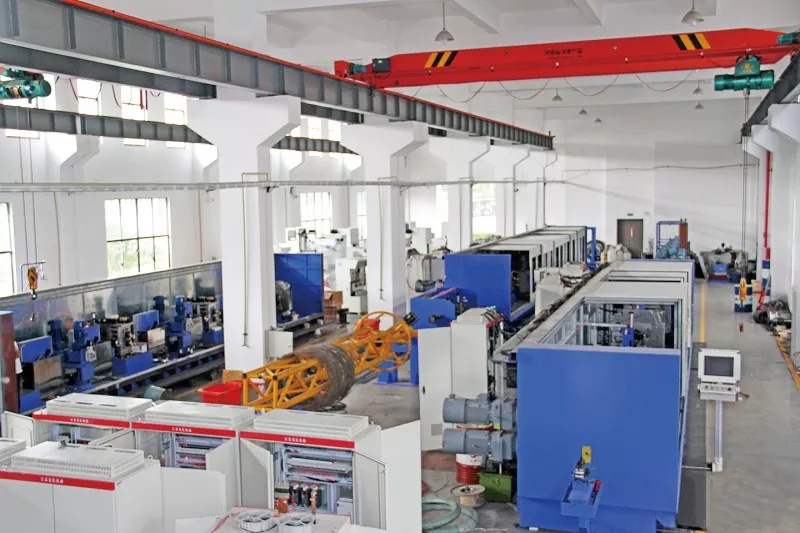
One effective approach to achieving seamless integration involves customizing OEM electronic components to match the specific architectural requirements of modern systems. By collaborating with manufacturers during the design phase, engineers can ensure that modules like sensors, processors, or communication boards fit precisely into existing frameworks, reducing compatibility issues and enhancing overall performance. This method allows for a more cohesive system where each element works harmoniously without the need for extensive modifications or additional interfaces.
Advanced software-defined interfaces play a crucial role in integrating OEM electronics by providing flexible and adaptive communication protocols. Instead of relying on rigid hardware connections, these interfaces use standardized APIs and middleware to facilitate data exchange between different components. This technique enables systems to incorporate diverse OEM parts from various vendors, streamlining updates and maintenance while maintaining a unified operational environment that adapts to technological advancements.
To further enhance integration, leveraging modular design principles allows for the seamless incorporation of OEM electronics into scalable and future-proof systems. By designing systems with interchangeable modules, engineers can easily swap or upgrade OEM components without disrupting the entire infrastructure. This technique not only simplifies integration processes but also supports innovation, as it accommodates new technologies and evolving standards, ensuring long-term system relevance and efficiency.
Quality Assurance in Wire and OEM Electronics: Best Practices
Quality assurance is a critical component in the manufacturing of wire and OEM electronics, acting as the backbone for ensuring products meet stringent reliability and safety standards. In this sector, best practices often begin with a proactive approach to design validation, where engineers collaborate closely to simulate real-world conditions before production even starts. This not only catches potential flaws early but also streamlines the entire manufacturing process, reducing costly rework down the line. For instance, implementing rigorous testing protocols for electrical conductivity and insulation integrity can prevent failures in high-stakes applications, from automotive systems to medical devices.
Another key aspect involves supplier management and material traceability. By partnering with trusted suppliers and maintaining detailed records of every component used, companies can quickly identify and address quality issues at their source. This traceability becomes crucial in OEM electronics, where parts are often sourced globally and assembled into complex systems. Regular audits and performance reviews help ensure that suppliers adhere to agreed-upon specifications, fostering a culture of continuous improvement rather than just reactive problem-solving after defects arise.
In practice, integrating automated inspection and testing technologies has proven invaluable for maintaining consistency in wire and electronics production. Advanced tools like X-ray inspection or automated optical scanners can detect minute imperfections that human eyes might miss, enhancing overall product durability. Coupled with a feedback loop that incorporates data analytics, these methods allow manufacturers to refine processes over time, adapting to new challenges such as miniaturization or increased demand for energy-efficient components. Ultimately, a robust QA framework not only boosts customer trust but also drives innovation by setting higher benchmarks for quality in a competitive market.
Overcoming Common Challenges in Integrating Wires and OEM Components
Integrating wires and OEM components into a system can feel like navigating a maze of compatibility issues and logistical hurdles. From mismatched connectors and varying cable lengths to differences in voltage ratings or data protocols, these challenges often derail projects and inflate costs. To tackle this, it's crucial to start with a thorough audit of all components upfront, checking specifications against your system requirements. Don’t just rely on datasheets—test physical samples in real conditions to catch hidden flaws early on. This proactive approach not only saves time but also builds a foundation for smoother integration down the line.
Another frequent snag involves sourcing and supply chain unpredictability, especially when dealing with multiple OEM suppliers. Delays or quality inconsistencies in wire harnesses or specialized parts can stall entire production lines. To mitigate this, consider dual-sourcing critical components or working closely with suppliers to establish clear communication channels and quality benchmarks. Building strong relationships with OEM partners can lead to better negotiation on lead times and customizations, ensuring a more reliable component stream that aligns with your project timeline.
Lastly, don’t overlook the human factor in integration challenges. Miscommunication between design teams and manufacturing technicians often results in incorrect installations or overlooked safety standards. Implementing clear documentation, such as detailed wiring diagrams and step-by-step assembly guides, can bridge this gap. Regular training sessions and cross-functional reviews help align everyone on best practices, turning potential pitfalls into opportunities for innovation and efficiency in your integration process.
Innovative Strategies for Enhancing OEM Electronics Performance
To boost OEM electronics performance, start with advanced materials and manufacturing techniques. Using high-grade components and precision assembly reduces failure rates and extends product lifespan. For example, thermal management solutions like heat sinks or phase-change materials can prevent overheating, ensuring stable operation in demanding environments.
Smart software integration is another key approach. Implementing custom firmware or AI-driven algorithms optimizes hardware usage, improving efficiency and responsiveness. This might involve predictive maintenance features that anticipate issues before they impact performance, keeping devices running smoothly with minimal downtime.
Collaborating closely with suppliers to innovate supply chain strategies also enhances performance. By adopting agile development cycles and testing prototypes in real-world conditions, OEMs can refine designs quickly. This leads to electronics that not only meet but exceed user expectations in terms of speed, reliability, and overall functionality.
Future Trends in Wires and OEM Electronics for Continuous Improvement
As the demand for smarter, more connected devices grows, wires and OEM electronics are evolving rapidly to support continuous improvement across industries. Lightweight, high-strength materials like carbon-fiber-infused cables are gaining traction, offering enhanced durability and flexibility for applications in aerospace, automotive, and robotics. This shift reduces weight and maintenance costs while improving performance in extreme environments, making it a key trend driving innovation.
On the OEM electronics front, modular and customizable components are becoming standard, allowing manufacturers to quickly adapt to changing market needs without extensive redesigns. This modularity not only speeds up production cycles but also facilitates easier upgrades and repairs, contributing to more sustainable and efficient supply chains in sectors like consumer electronics and industrial automation.
Additionally, the integration of AI and IoT technologies into wiring systems is transforming how data and power are managed in real-time. Smart wires with embedded sensors can monitor conditions like temperature and stress, enabling predictive maintenance and reducing downtime. As these trends converge, the future points toward a more agile and resilient ecosystem for continuous improvement in electronic systems.
FAQ
Ensuring compatibility between components from different manufacturers and maintaining signal integrity across connections are primary challenges. Factors like electromagnetic interference and physical durability also play crucial roles in achieving seamless integration.
Quality is often determined by rigorous testing for conductivity, insulation resistance, and environmental tolerance. Choosing materials with certifications from industry standards and conducting batch tests helps prevent failures in real-world applications.
Effective design involves optimizing layout to minimize interference and using modular components that allow for easy upgrades. It focuses on user-centric features like accessibility and reliability to enhance overall system performance.
Environmental factors like temperature, humidity, and vibration can degrade components over time. Addressing these through robust sealing and adaptive designs ensures longevity and reduces maintenance costs in harsh conditions.
Innovations such as smart wiring systems and miniaturized electronics enable more compact and efficient integrations. These advancements often lead to improved energy efficiency and enhanced diagnostic capabilities in modern setups.
Common pitfalls include improper grounding, over-tightening connections, and ignoring manufacturer guidelines. Avoiding these through training and using the right tools can prevent costly errors and ensure system reliability.
Cost optimization can be achieved by standardizing components and investing in scalable solutions. Partnering with reliable suppliers and conducting lifecycle cost analyses help balance budget constraints with long-term performance.
Trends include the rise of IoT connectivity, increased use of sustainable materials, and automation in manufacturing. These developments drive toward smarter, more eco-friendly, and efficient integration practices industry-wide.
Conclusion
Wires and OEM electronics are pivotal in achieving seamless integration within modern systems, requiring a deep understanding of key components and effective techniques. By grasping the fundamentals outlined in understanding wires and OEM electronics, one can enhance performance through innovative strategies. This involves focusing on elements like connectivity and durability to tackle common challenges, such as compatibility issues and signal interference. Integrating these components smoothly demands attention to detail, often using advanced methods to ensure they fit into existing frameworks without disruption. The art lies in balancing technical precision with practical application, fostering a cohesive system where wires and electronics operate harmoniously, laying the groundwork for reliable and efficient outcomes.
Quality assurance is central to mastering wires and OEM electronics, emphasizing best practices to maintain high standards and drive continuous improvement. This includes rigorous testing, adherence to specifications, and proactive measures to overcome obstacles like manufacturing defects or integration gaps. Looking ahead, future trends point toward smarter technologies and sustainable solutions, encouraging innovation in performance enhancement. By embracing these evolving directions, professionals can stay ahead, ensuring that integration remains flawless and quality is consistently upheld. Ultimately, success hinges on a commitment to excellence and adaptability, transforming potential hurdles into opportunities for advancement in this dynamic field.
Contact Us
Contact Person: Rayna
Email: [email protected]
Tel/WhatsApp: 86 -173 1474 6343
Website: https://www.grmrollingmill.com/