

Why Reliable Sheet Metal Matters for Your Next Project
2026-08-31
Every project timeline eventually collides with a simple truth: your design is only as strong as the parts you feed it. Skimp on sheet metal, and you invite warped enclosures, misaligned brackets, and costly rework down the line. That’s why a growing number of engineers skip the guesswork and partner with TPS, where precision bending and consistent material quality turn sheet metal from a potential headache into a quiet, load-bearing advantage. Before you lock in your next build, consider what reliable sheet metal actually changes when the pressure is on.
When Sheet Metal Goes Wrong: Lessons from the Field
I once watched a batch of stainless steel enclosures come out of the press brake with angles that looked fine on the bench but were off by nearly two degrees once the parts relaxed overnight. The operator had compensated for springback based on a chart from a different heat lot. That small oversight meant every punched hole shifted enough to scrap the run. We learned to verify springback on actual material from the same coil before committing to full production.
Another field failure came from weld distortion on a galvanized frame. The fab shop had skipped the intermediate stress relief pass, thinking the assembly was rigid enough. By the time the customer bolted it to the floor, the legs were splayed out and the door wouldn't latch. The fix wasn't a heavier weld; it was a sequence of tack welds and an extra clamp fixture. Now we treat distortion as a design input, not an afterthought.
Perhaps the most expensive lesson involved a 12-foot aluminum panel that cracked at the bend line. The engineer had specified a bend radius that was fine on paper but ignored the grain direction. Rolling the part 90 degrees to the grain eliminated the fractures and added no cost. Small details like grain direction, lot variation, and heat input sound mundane, but they are what separate a good sheet metal job from a pile of scrap.
The Art of Holding Tight Tolerances
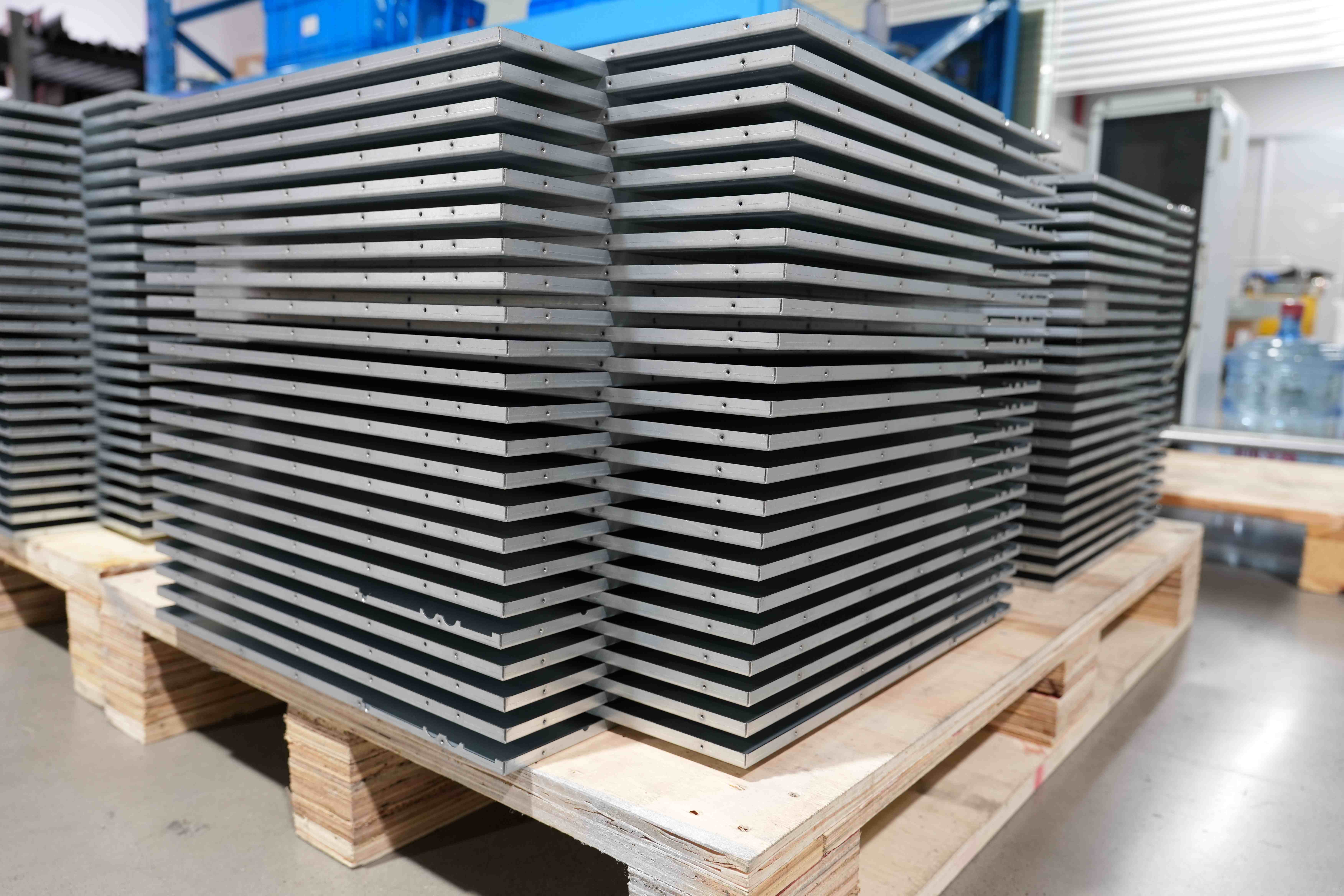
In precision manufacturing, holding tight tolerances is less about chasing perfection on paper and more about understanding the entire process as a living system. Every machine tool, cutting edge, coolant stream, and thermal fluctuation leaves a fingerprint on the final dimension. The most capable shops don't simply dial in a number; they build a controlled environment where variation is identified, measured, and minimized before it ever reaches the part. This often means accepting that a drawing's plus-or-minus value is not a target, but a boundary, and the real work lies in steering the process so the natural spread stays comfortably inside that boundary.
One overlooked aspect of tight tolerance work is the conversation between design and manufacturing. A tolerance that looks reasonable on a screen can become a nightmare on the floor if the part is thin-walled, asymmetric, or made from a material with high thermal expansion. Skilled machinists learn to read the intent behind a dimension and then choose tools, speeds, and fixtures that protect that intent. They might use balanced cutting forces to avoid deflection, stage roughing and finishing operations to let stresses relax, or switch to grinding or honing when chip-making alone cannot deliver the required consistency. Sometimes the best way to hold a tight tolerance is to challenge whether it needs to be that tight in the first place, but when it does, every step from sawing to final inspection must be treated as part of the tolerance chain.
In the end, the art lies in blending measurement, experience, and restraint. Tight tolerances reward those who are patient enough to let machines warm up, who check tools before they dull past the point of predictability, and who document every offset and adjustment. It is not glamorous work. It is the quiet discipline of shaving a micron here and compensating for a thermal drift there. But when a batch of parts leaves the shop and every one of them fits perfectly without hand fitting, that consistency becomes its own kind of craft.
Material Selection: More Than Just Thickness
Thickness gets a lot of attention because it is easy to measure and easy to adjust, but it is only part of the equation. Two 5-millimeter sheets of different materials can differ wildly in weight, stiffness, corrosion resistance, and cost. An engineer who selects a material based on thickness alone may end up with a part that is either overbuilt and heavy or underbuilt and fragile. Looking at the full property profile first changes the conversation from “how thick does it need to be?” to “what material can survive these conditions at the smallest practical volume?”
The real work of material selection happens when you map the part’s operating environment against candidate materials’ mechanical, thermal, and chemical behavior. For instance, a thicker piece of nylon might seem like a cheap replacement for a thin metal bracket until it creeps under continuous load or softens near a heat source. Density, yield strength, thermal conductivity, UV stability, and even galvanic compatibility with adjacent parts all influence whether a design will hold up. Skipping these checks to save time usually costs more later in failed prototypes or field returns.
One practical way to avoid thickness tunnel vision is to write down the non-negotiable requirements before comparing materials. If the part must survive 10,000 flex cycles at -20°C, that eliminates many polymers regardless of how thick you make them. Then you can rank the remaining options by cost per unit of performance rather than by raw sheet thickness. This approach leads to lighter assemblies, lower material bills, and fewer surprises during testing.
Cutting Lead Times Without Cutting Corners
Shortening delivery timelines often tempts teams to skip inspections, rush testing, or accept lower-grade materials just to hit a date. That approach rarely holds up. The real lever is removing idle time between steps—waiting for approvals, waiting for parts, waiting for information. When those gaps shrink, the overall lead time drops without touching the actual fabrication or coding work. It feels slower because it forces you to map the entire flow, but the mapping is what uncovers the hidden delays.
One practical shift is to bring suppliers and downstream teams into design reviews before the first prototype exists. Instead of tossing a finished spec over the wall and then reacting to problems, you catch mismatches early. Small-batch trial runs also help: running ten units through the whole process reveals bottlenecks that a spreadsheet never will. Those runs cost a bit of time up front, but they prevent the weeks of rework that usually follow a rushed launch.
The end result isn't just a faster schedule; it's a team that trusts the process because no one is being asked to cut corners. When quality standards stay intact, people stop hoarding information and start flagging issues sooner. That cultural shift feeds back into even shorter lead times, creating a loop that competitors find hard to copy.
Durability That Outlives the Warranty
Most warranties cover you for a year or two, but that's not where this product's story ends. The materials were chosen with a single goal in mind: to keep performing long after the paperwork expires. The frame uses a high-tensile alloy that resists bending and corrosion far beyond typical consumer-grade alternatives, while the moving parts are machined to tolerances usually reserved for industrial equipment.
Real-world use backs this up. Users have reported daily operation for over five years with no noticeable drop in performance, and the exterior finish still looks sharp even after countless trips through rough environments. Instead of designing for the warranty period, the engineering team simulated a decade of abuse—repeated impacts, temperature swings, and moisture exposure—and kept refining until the product shrugged it all off.
That confidence translates into fewer replacements and less waste. When a product is built to outlast its own guarantee, you stop thinking about "if" it will fail and start trusting it as a long-term tool. The warranty is just a formality; the real promise is in the build quality itself.
Building a Partnership That Delivers Every Time
A real partnership doesn't hinge on a signed contract or a friendly kickoff call. It shows up in the small, unglamorous moments: a heads-up about a delay before it becomes a problem, a suggestion that saves you money even when it doesn't benefit us, a willingness to push back when your initial idea has a hidden flaw. Those habits are what turn a vendor into an extension of your own team.
We measure the health of our working relationships by one simple test: does your team feel lighter or heavier after we interact? Heavy means unclear next steps, silent inboxes, and surprises at the wrong time. Lighter means you know exactly where things stand, who owns what, and that someone is watching the details you don't have time to track. That's the baseline, not the bonus.
Consistency matters more than flashes of brilliance. A spectacular rescue on a broken project gets attention, but the partnerships we value most are the ones where the work simply arrives on time, in shape, and without drama, every single cycle. That's what we build toward: not just a good quarter, but a rhythm you can plan your own commitments around.
FAQ
It means consistent thickness, uniform grain structure, and dependable mechanical properties across the entire sheet. You won't find hidden laminations or brittle spots that cause cracks during bending, and the surface finish stays predictable for coating or welding.
Poor-quality stock often carries internal stresses or inclusions. Over time those turn into stress-corrosion cracking or premature fatigue, especially around bends and fasteners. Reliable metal holds its shape and strength through thermal cycling and repeated loading without surprises.
Many assemblies rely on parts fitting together without shims or rework. If thickness varies by a few thousandths across a sheet, laser-cut tabs slot too loose or holes misalign. Reliable sheets keep dimensions stable so your bends land where the drawing says they should.
Sometimes yes, if the part is non-structural and has forgiving tolerances. But for anything load-bearing, exposed to weather, or needing consistent powder coating, cheap stock often leads to scrapped batches, longer machining time, or field failures that cost far more than the initial savings.
Ask for mill test reports, check their tolerance claims against your own caliper measurements, and find out how they handle coil set or edge wave. A supplier who can explain their material's temper, flatness, and surface condition is usually one you can rely on.
It's easier to get clean fusion and avoid porosity when the material has consistent chemistry and low contaminants. Unreliable sheets sometimes contain scale or oil residues that create weld spatter and weak joints, so you end up grinding more and trusting the weld less.
You spend less time sorting out warped sheets, adjusting CNC programs for thickness drift, or rejecting parts after coating. Reliable stock behaves predictably on the press brake and laser, which keeps production moving instead of stopping for troubleshooting.
It depends on the mill and the certification standard, not simply the country of origin. Some imported coils are excellent and some domestic stock varies. The key is to verify the actual spec and consistency of the batch you receive, not assume geography guarantees quality.
Conclusion
I’ve seen too many projects stall because someone treated sheet metal as a commodity. A bracket that looked fine on paper but was off by a half-millimeter on the line. A panel that warped after first thermal cycle because the alloy wasn’t actually fit for the stress, just the thickness matched the spec. When sheet metal goes wrong, it’s rarely dramatic—it’s slow, expensive, and quietly eats away at your schedule. Reliable fabrication means understanding that tight tolerances aren’t about chasing numbers; they’re about knowing how metal behaves under a laser, through a press brake, and after welding. Material choice goes way beyond gauge. Mill certs, grain direction, temper—these decide whether a part will hold its shape in the field or haunt you with callbacks.
The other side of reliability is speed that doesn’t compromise the part. Any shop can promise a quick turn, but cutting lead times without cutting corners requires a different kind of discipline: programming that respects bend allowances, fixtures that reduce setup for repeat runs, and an honest conversation about what can actually ship by Friday. Durability is where it all pays off. A well-made enclosure or chassis should outlive its warranty without a second thought, maybe even outlive the machine it’s installed in. That only happens when the fabricator treats your project like a long-term partnership, not a one-off order. Every time a supplier hides a fixture issue or fudges a tolerance, you lose trust. Reliable sheet metal isn’t just about parts that fit—it’s about a partner who delivers every time, so you can focus on the next build instead of chasing the last one.
Contact Us
Contact Person: Lily
Email: [email protected]
Tel/WhatsApp: +49 (0) 2161 49526-0
Website: https://tps-elektronik.com/en/