
Top Tug Boat Company Providing Reliable Marine Towing Services
2026-06-21
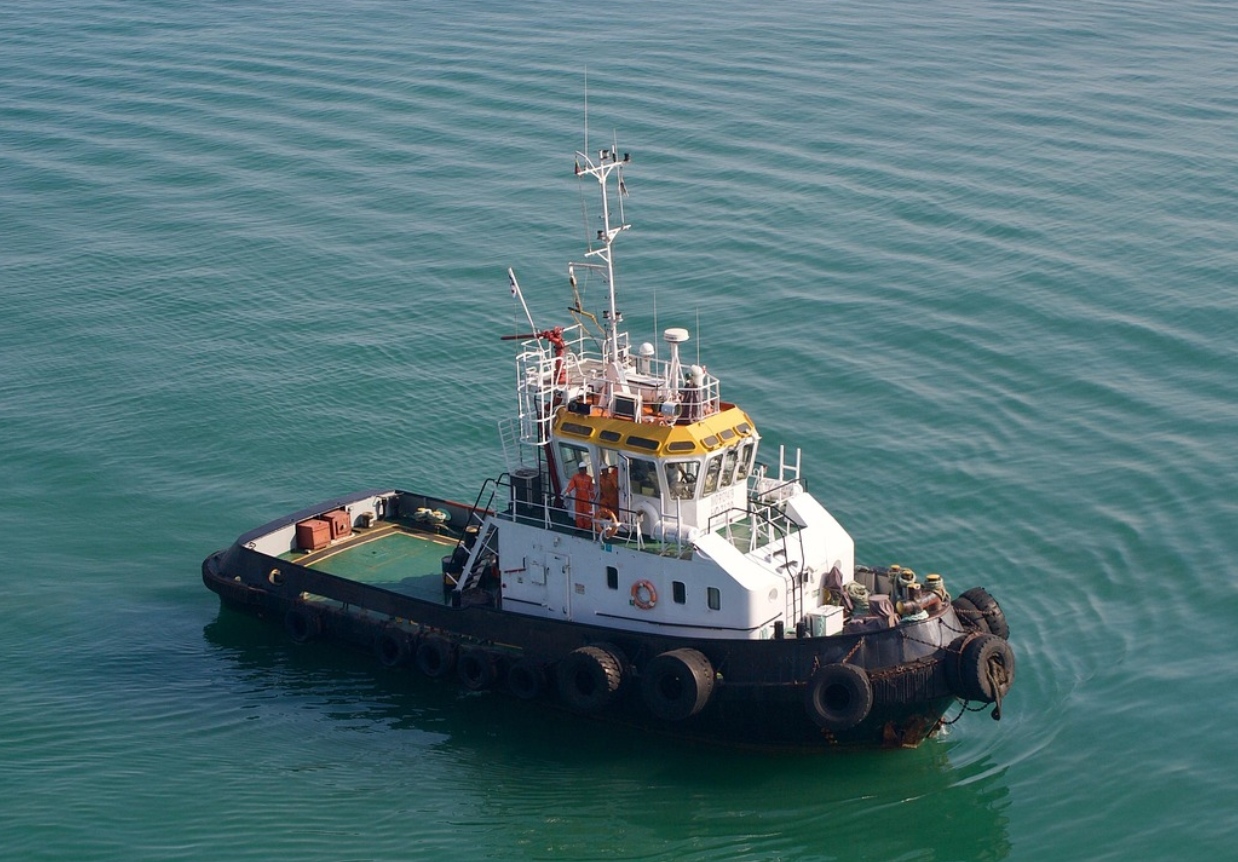
When it comes to marine towing, reliability isn't just a preference—it's a necessity. Every project on the water, from harbor assist to ocean transport, hinges on a partner that can deliver power and precision when seconds count. That's where Allheart sets the standard. As a top tug boat company with a fleet built for demanding conditions, we bring more than horsepower: we bring a deep-rooted commitment to safety and seamanship that keeps your operations moving, no matter the challenge.
What Powers Our Tugboat Fleet
Walk along the dock at dawn and you’ll hear a deep, steady thrum beneath the gulls — that’s the heartbeat of our workhorses. Most of our tugs run on medium-speed marine diesels, chosen for their stubborn reliability in tight harbours and open water alike. These engines aren’t the biggest on the water, but they’re tuned to deliver torque exactly where it counts: low-end grunt that translates to instant bollard pull when a ship needs coaxing into position. Each powerplant is paired with a reduction gearbox and a controllable-pitch propeller, a combination that lets the crew dial in thrust with the precision of a surgeon. There’s no room for lag time when a loaded tanker catches a crosswind, so our maintenance teams log hours on preventative overhauls that would impress a Swiss watchmaker.
Some of our newer tugs take a different approach, integrating hybrid systems that blend traditional diesel with battery banks stored below the waterline. During standby or low-speed manoeuvres, the batteries shoulder the load silently, cutting idle fuel burn and letting the crew hold station near residential areas without the usual rumble. When full power is called for, the motor-generators switch roles and kick in alongside the main engines, adding a burst of electric torque without touching the throttle. It’s not about being green on paper — it’s practical. A tug that can loiter for hours without burning fuel is a tug that’s ready for sudden orders, and that edge makes a difference during a busy tide.
Power isn’t just the engine room, though. It flows upward through the ducted drives and into the hull itself, where hull form and appendage design do their own quiet work. Our ASD tugs use azimuthing thrusters that vector thrust 360 degrees, which means the propulsive force becomes a steering tool instantly. Combine that with the twin-fin skeg configuration on our tractor tugs, and you get a platform that can redirect its full muscle in seconds while riding out a beam sea. Every link in that chain, from the fuel pumps to the thruster seals, gets monitored by onboard diagnostics that flag wear patterns before they become failures. A single tug might burn through 5,000 litres on a long day, but the real story is how it uses every drop to move ships ten thousand times its own mass.
Unmatched Expertise on the Water
Spend enough time on the water and you learn that it’s never the same twice. Our team has been navigating these stretches for decades—through squalls that came out of nowhere, fog so thick you could barely see the bow, and those perfect, glassy mornings that make you forget the hard days. That kind of experience doesn’t come from a manual. It comes from reading the current with your hands, knowing a change in wind before it hits, and having a sixth sense for where the fish are hiding or the best cove to duck into when the weather turns.
What really sets us apart is how we pass that knowledge along. It’s not about lecturing you on maritime theory—it’s about showing you why we do things a certain way, in the moment. Maybe it’s a quiet tip on trimming the sails just right, or pointing out the subtle ripple on the surface that means structure below. Our captains and guides don’t just steer the boat; they make you part of the process, so you leave with skills and stories of your own.
This isn’t just a job for us. It’s a lifelong affair with the sea, the rivers, and the lakes we grew up on. We’ve spent so many hours out here that we’ve stopped counting, but we still get the same thrill from a perfect tack or a kid catching their first fish. When you’re with us, that passion is contagious—and you’ll understand why we say there’s no such thing as “just a boat ride.”
Stories from the Tow Line
Every call comes with its own rhythm. Some nights, it’s a quiet roadside assist under a blanket of stars. Other times, it’s a frantic scramble in the rain, hooking a sedan out of a ditch while the driver clutches a broken phone. The tow line is more than steel cable—it’s a thread connecting strangers in moments that often flit by unnoticed. You learn to read people quickly: the relief in a mother’s eyes when the car seat is secure, the tight jaw of a businessman who just missed the meeting, the hollow stare of a teen who made a poor choice. There is no script, just the hum of the engine and the weight of someone’s day resting on your hook.
Then there are the stories that linger long after the truck is parked. I once winched a rusted pickup from a creek bed, its owner standing barefoot, shivering, and telling me about the deer that had leaped into his path. He was more shaken by the animal’s fate than the wrecked truck. Another time, a flat tire led to a half-hour conversation with an elderly man about his late wife’s garden—how the lilacs had bloomed the morning she passed. The tow line becomes a strange confessional, a place where people shed the armor they wear for the rest of the world. You’re not just hauling metal; you’re carrying a slice of their life for a few miles.
Some days, the line itself seems to have a memory. The worn clevis hooks remember the heavy pulls, the braided steel has scars from sharp edges and salt. It’s a tool that doesn’t discriminate between luxury SUVs and beaters held together by hope. In the end, the tow line teaches you that everyone breaks down eventually. The only difference is whether you have someone to call when you’re stranded, and whether that someone shows up with a steady hand and a few minutes to listen.
Safety That’s Second Nature
When safety becomes instinctive, it weaves into the daily rhythm without feeling forced. It’s not about memorizing checklists or following rigid protocols—it’s about knowing, deep down, the right way to move, to react, to protect. Like a hand reaching out to steady a stumbling child, these habits grow until they’re simply part of who we are, no more conscious than breathing.
We’ve moved past the era of clunky reminders and stern warnings plastered on walls. True integration means safety lives quietly in design, in unspoken cues, and in the gentle nudge of intuitive systems. It’s the chair that adjusts to your spine without a thought, the doorway that frames a clear view before you step through, the rhythm of a team that anticipates each other’s moves without a word. This isn’t awareness by effort—it’s awareness by nature.
Cultivating that second nature takes time, but it rewards with resilience. When the unexpected strikes, you don’t freeze or fumble—you just act, because the right response has been layered in over countless ordinary moments. It’s the quiet confidence of knowing that safety isn’t a separate task but a seamless thread in everything you do, holding things together without ever calling attention to itself.
Beyond the Horizon: Our Service Reach
Where most stop, we’re just getting started. Our reach stretches from bustling urban centers to the quiet corners of the map, connecting communities that others often overlook. Whether it’s the peaks of the Andes or the shores of remote islands, we bring dependable solutions that feel local, no matter the distance.
This isn’t about ticking boxes on a coverage chart. It’s about real people, real needs, and the insistence that geography shouldn’t dictate access. Every route we chart, every partnership we build, is a step toward a world where services arrive with the same warmth and reliability, whether you’re in the heart of a metropolis or the edge of a forgotten horizon.
Partnerships That Keep Ports Moving
At the heart of every thriving port lies a web of relationships that rarely makes headlines. Terminal operators, shipping lines, local governments, and logistics providers don't just share data—they share a rhythm, a constant negotiation of space and time that keeps cargo flowing. It’s less about formal agreements and more about the daily trust built over years of handling unexpected surges, weather disruptions, and shifting global trade patterns. When a storm delays a vessel by six hours, the real work begins in a phone call between a terminal manager and a trucking dispatcher, not in a boardroom.
These partnerships evolve in ways that standard contracts don't capture. A maintenance team might notice a recurring crane issue and alert the engineering firm before it becomes a breakdown, saving days of downtime. Shipping alliances pool vessel capacity, but it’s the informal understanding between port captains and harbor pilots that prevents bottlenecks during peak seasons. Even competitors find common ground when a new environmental regulation demands a collective infrastructure upgrade—sharing the burden of dredging or electrification because the alternative is gridlock that hurts everyone.
What really makes the difference is the human layer. Longshore workers who know the quirks of a particular carrier’s stowage plans, customs brokers who anticipate clearance snags before they happen, and local agents who can find a reefer technician at 2 a.m. The technology platforms are just the scaffolding; the partnerships are the hands that keep the gears turning. Ports aren't nodes on a map, but living ecosystems where those invisible ties determine whether goods arrive on time or pile up in costly delays.
FAQ
We routinely work with everything from compact fishing boats and luxury yachts to heavy cargo ships and barges. Our tugs are matched to each job based on the vessel's size and the sea conditions, ensuring safe handling.
Our crews are seasoned mariners who know local waters intimately. We stick to rigorous maintenance schedules for all equipment, and our operations center is manned 24/7 to deploy assets without delay.
Absolutely. We keep tugs on standby at key locations for rapid dispatch. Emergency response is a cornerstone of our work, and we have the gear and expertise to stabilize vessels quickly.
Our primary coverage stretches along the Southeast Asian coastlines, with regular operations in the Strait of Malacca, Singapore waters, and the South China Sea. We also handle long-distance tows on request.
Each tug is fitted with dynamic positioning systems, powerful azimuth thrusters, and integrated navigation suites. This tech gives our captains precise control even in tight harbors or rough weather.
Costs depend on distance, the vessel's tonnage, and any special requirements like escort services. We provide a clear breakdown upfront so there are no hidden charges.
Yes, we also offer salvage operations, firefighting support, and anchor handling. Many clients use us as a one-stop shop for marine support.
It's a combination of deep local knowledge, a safety record that speaks for itself, and a genuine commitment to getting clients out of tight spots. We treat every tow like our own ship is on the line.
Conclusion
Every tow we undertake is powered by a fleet built for endurance and precision. Our tugs run on advanced hybrid propulsion systems that balance raw strength with fuel efficiency, allowing us to handle everything from harbor assists to deep-sea salvage without missing a beat. Decades of hands-on experience mean our crews read the water like a familiar map—tides, currents, and sudden squalls are just part of the day’s work. That deep expertise shines in the stories we’ve collected along the tow line: guiding a disabled freighter through a midnight storm, threading a barge through a narrow channel with inches to spare, or patiently escorting a towering jack-up rig across open ocean. Through it all, safety isn’t a checklist but a reflex. From double-redundant navigation systems to rigorous crew drills, every move is second nature, shaped by a culture that treats every operation as if lives depend on it—because they do.
Our reach stretches far beyond the home port, connecting vital trade routes and supporting projects in remote coastal waters where few others operate. Whether it’s a routine ship docking or an emergency response offshore, we bring the same reliability and calm professionalism. What truly sets us apart are the partnerships we’ve forged over the years—longstanding relationships with harbor pilots, terminal operators, and shipping lines that keep entire ports moving on schedule. We don’t just move vessels; we help unclog supply chains and ensure cargo flows seamlessly, joint efforts that have turned one-time clients into decades-long allies. That trust, earned tow after tow, is the real engine behind our reputation as the top tug boat company delivering marine towing services that never leave a vessel adrift.
Contact Us
Contact Person: Benny Hu
Email: [email protected]
Tel/WhatsApp: +8618354225697
Website: https://www.allheartmarine.com/