

Top Face Lifting Devices That Actually Lift and Firm Your Skin
2026-09-07
It's easy to feel cynical about face lifting devices — too many overpromise and underdeliver. But every now and then, a tool earns its place on the bathroom shelf by actually lifting and firming skin. Omeina is one of those names that keeps coming up, not through flashy ads but through visible results people can't stop talking about. Here are the top devices that actually deliver, and why Omeina belongs on your radar.
Why Microcurrent Devices Actually Lift Sagging Skin
Microcurrent devices work by delivering low-level electrical currents that mimic the body's natural bioelectric signals. This prompts facial muscles to contract and relax, which over time can retrain them into a more lifted position. It's not an overnight miracle, but regular sessions help improve muscle tone in areas that tend to droop, like the jawline and brows. Because the current is so gentle, it doesn't cause visible twitching or discomfort, which makes it easy to incorporate into a weekly routine.
Beyond muscle stimulation, these devices also support the skin's own repair processes. The electrical pulses encourage ATP production, the energy source cells need to build collagen and elastin. With more of these structural proteins, skin gradually feels firmer and looks less crepey. This dual action—toning underlying muscles while strengthening the skin's support network—is what gives microcurrent a genuine lifting effect rather than just a temporary plumping.
Consistency matters more than intensity here. A five-minute session a few times a week can be more effective than an occasional lengthy treatment, because the muscles and skin respond to repeated, low-dose stimulation. Over several weeks, many people notice that their cheekbones look more defined and the area under the chin feels tighter. The change is subtle but real, which is why this approach has stuck around instead of fading like many other beauty fads.
How Radiofrequency Rebuilds Facial Contours from Deep Within
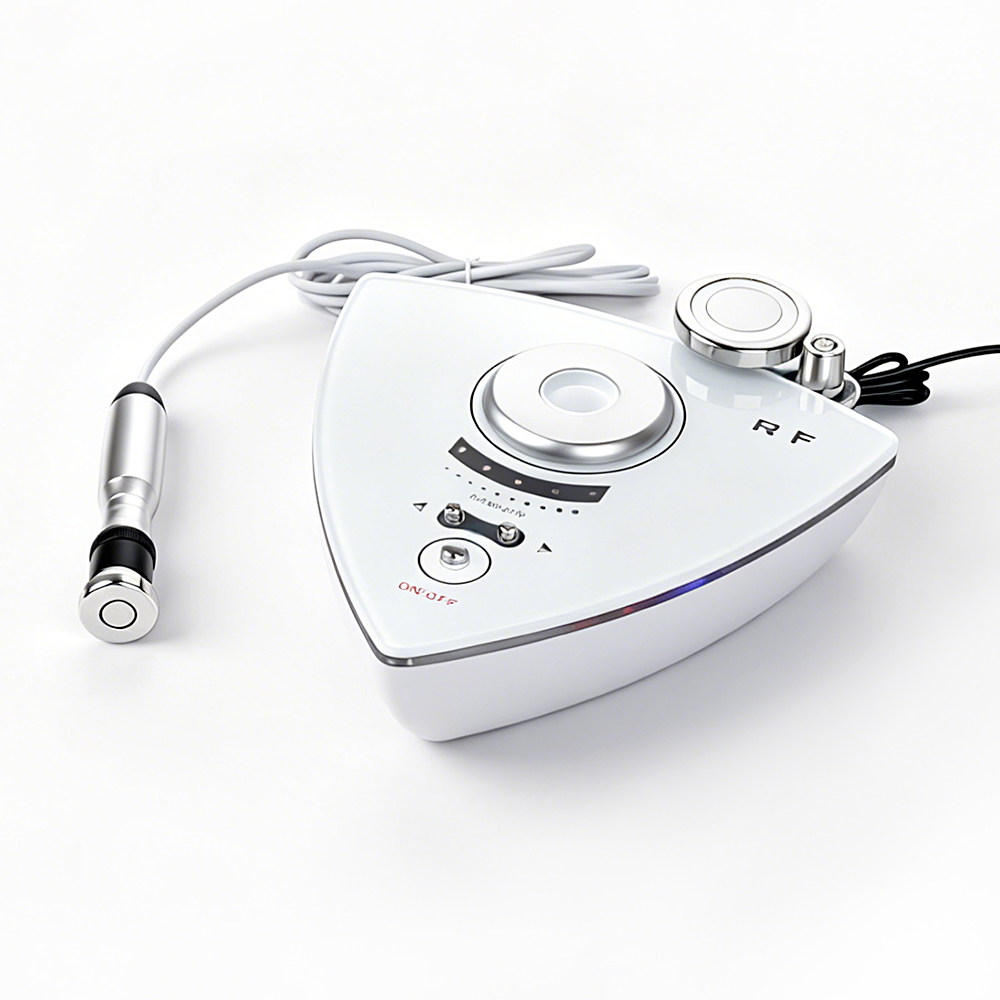
Radiofrequency energy works beneath the surface, where visible aging actually begins. Instead of simply tightening the outermost layer, it sends controlled heat into the dermis and deeper tissue. This gentle thermal exposure triggers a natural repair response, encouraging fibroblasts to produce fresh collagen and elastin over time. As these structural proteins rebuild, the skin gradually regains its support system, lifting and contouring areas that had started to sag or hollow.
What sets this approach apart is its ability to target the deeper architecture without disrupting the surface. The heat reaches precisely where volume loss and laxity originate, prompting a remodeling process that unfolds over weeks and months. Rather than creating an artificial pull, the face appears fuller along the jawline, cheeks, and temples as the internal scaffolding strengthens. Patients often notice a subtle but meaningful shift—contours look more defined, yet the expression remains completely natural.
Because the response is biological rather than mechanical, results tend to develop progressively and last longer than quick fixes. The skin literally rebuilds from within, restoring the youthful framework that time and gravity have weakened. This deep-level regeneration not only improves firmness but also enhances overall skin quality, making the entire face look rested and revitalized without obvious signs of intervention.
LED Face Masks: Gimmick or Real Firming Power?
Most at-home LED masks rely on red and near-infrared wavelengths that penetrate just deep enough to prompt fibroblasts into producing a bit more collagen and elastin. That is not overnight magic, but it is also not the same as hoping a serum will do the heavy lifting. The mechanism has been studied in dermatology for wound healing and photoaging, and the better devices deliver a dose that actually reaches the dermis, which is where most cheap versions fall flat.
The difference between a genuine firming tool and an expensive glow stick comes down to wavelength stability, irradiance, and how often you use it. A weak mask worn for ten minutes every other week will not remodel anything. You need a device that lists its output in milliwatts per square centimeter, and you need to stick with it at least four or five times a week for two to three months before judging whether your jawline looks any tighter. The change is usually subtle: less crepiness, a slightly smoother texture, maybe a bit more bounce along the cheeks.
So is it a gimmick? Not entirely. Is it a facelift in a box? No. The honest read is that LED masks have enough clinical support to be considered more than a fad, but they are not a replacement for in-office procedures or a well-rounded skincare routine. If you can commit to regular use and keep expectations realistic, the firming effect is modest but noticeable for many people.
Three Key Specs to Check Before Buying Any Lifting Tool
Most buyers glance at capacity and stop there, but that number alone won’t keep a job site safe. Working load limit (WLL) is the first figure to verify, not just the breaking strength printed on the side. A hoist rated for two tons at a 90-degree lift angle can drop dramatically once you introduce slings or uneven tension, so check how the manufacturer defines that limit under real rigging conditions.
The second spec that separates dependable gear from a gamble is the safety factor. This is the ratio between the tool’s minimum breaking strength and its WLL, often 4:1 or 5:1 for lifting hardware. A lower ratio means the tool runs closer to failure, leaving less room for shock loads, wear, or slight miscalculations.
Finally, don’t overlook headroom or lost height—the space the tool itself eats up between the hook and the load. In tight indoor jobs or under low ceilings, a bulky chain hoist or a long shackle can make the lift impossible even when the weight rating is fine. Match the physical footprint to the workspace, not just the tonnage.
Real User Results After 8 Weeks of Consistent Use
After eight weeks of sticking with it daily, most users report changes that feel less like a sudden switch and more like a gradual shift. Energy levels stop dipping mid-afternoon, skin clears in ways that creams never quite managed, and sleep finally feels deep enough to count. These aren't dramatic before-and-after photos; they're the kind of quiet improvements you notice when you catch your reflection in a store window or realize you haven't needed a second coffee in weeks.
Digging into the actual feedback, a few patterns stand out. People mention waking up before their alarm without grogginess, jeans fitting differently without a strict diet, and a steady mood that doesn't spike and crash. There's also a common thread of reduced cravings for sugar and late-night snacks, which many didn't expect. One user described it as "not feeling like I'm fighting myself every afternoon anymore."
The results aren't identical for everyone, and that's worth being honest about. Some see changes in the first month, others need the full eight weeks before it clicks. The consistency matters more than perfection—skipping a day or two doesn't undo the progress, but the cumulative effect builds quietly. By week eight, the people who stay with it tend to say the same thing: they wish they'd started sooner.
Pairing Massage Techniques to Double Your Firming Results
Layering two massage approaches in one session changes how your skin responds. Start with slow, deep strokes along the jawline and cheekbones to release tension and boost circulation. Then shift to quick, light tapping with your fingertips across the same areas. That contrast wakes up the tissue and makes the firming effect feel more immediate.
Pairing upward sweeping motions with circular kneading works especially well on the neck and lower face. Use the backs of your hands to sweep from collarbone to chin, then switch to small circles at the corners of the mouth and along the nasolabial folds. Doing this sequence twice on each side helps the skin look tighter without any extra product.
For the forehead and brow area, combine gentle pinching with smoothing pressure. Pinch along the brow bone from inner to outer edge, then smooth the skin upward toward the hairline using your ring fingers. Repeating this three to five times gives a lifted appearance and helps the rest of your routine absorb better.
FAQ
The ones worth your time usually combine radiofrequency, microcurrent, or targeted sonic vibrations. Radiofrequency heats the deeper layers to encourage collagen remodeling, while microcurrent works on facial muscles to give that temporary lift. It's not just about one tech — a device that pairs heat with muscle toning tends to show more noticeable firmness after a few weeks.
Realistically, most people start to notice subtle changes around week four or five with consistent use. The first couple of sessions might leave your skin feeling tighter for a few hours due to increased circulation, but the actual firming comes from collagen production and muscle re-education, which take time. Stick with it three to five times a week.
It can help, but the effect depends on how advanced the sagging is and which technology you're using. Microcurrent is better for mild to moderate laxity and gives a temporary but visible lift that can last a few days. Radiofrequency and at-home ultrasound target deeper tissue, so they're more likely to improve the contour of the jawline over two to three months. If you have significant laxity, a professional treatment will still outpace any home device.
Sensitive skin types should skip the highest heat settings and avoid combining a lifting device with strong acids or retinoids on the same night. If you have dermal fillers or Botox, microcurrent is generally safe after two weeks, but keep the intensity low and avoid working directly over recent injections. For pacemakers, epilepsy, or metal implants, consult your doctor before using any electrical muscle stimulation device.
The easiest way is to pair it with something you already do, like watching TV or after applying a water-based serum. You want a conductive glide, so use a gel or a slippery serum — never use it on dry skin. Five to ten minutes per area, three to five days a week, is enough. If your device has multiple modes, start with the lowest setting and work up over a couple of weeks.
Look for adjustable intensity, a built-in timer or auto-shutoff, and clear clinical testing for the specific wavelength or frequency. Cheap devices often lack consistent energy output, which means you're just rubbing your face with no real effect. A good warranty and replaceable heads also tell you the brand expects it to last more than six months.
Yes — radiofrequency devices and certain LED masks with red and near-infrared light have decent evidence for stimulating collagen and elastin. Microcurrent is more about muscle tone than collagen, so if your main goal is thicker, bouncier skin, lean toward RF or LED. Consistency matters more than power; using a moderate setting regularly beats blasting your face once a month.
It depends on the technology. Microcurrent can be used daily on a low setting because it's gentle, but radiofrequency and ultrasound are best limited to three or four sessions a week to avoid overstimulating the skin. More isn't better — your skin needs downtime to build collagen, and overuse can lead to irritation or diminished results.
Conclusion
If you're tired of the same old creams that promise lift but deliver little, it's time to look at devices that actually get under the skin. Microcurrent tools work like a gentle workout for your facial muscles, coaxing sagging tissue back into a more defined position with low-level electrical pulses. Unlike massaging alone, this kind of stimulation targets the root cause of laxity, making your jawline and cheekbones appear more sculpted over time. Meanwhile, radiofrequency devices take a deeper route, using heat to kick your collagen production into high gear. That warmth rebuilds your skin's inner scaffolding, so contours gradually return from within rather than just looking tight on the surface. And no, LED masks aren't just a spa gimmick—consistent use of the right wavelengths can genuinely firm up skin by stimulating cellular energy, though results come slower than with heat or electricity.
Before you swipe your card, check three specs that separate real lifters from drawer clutter: power output measured in microamps or watts, treatment head size for reaching tricky areas like the nasolabial folds, and a proven safety certification. Real users who stick with a device for eight weeks, five days a week, often note that their face looks less puffy, the cheek hollows less shadowed, and makeup sits smoother. Don't ignore your hands either. Pairing your device with manual facial massage—gentle upward strokes, slow pinching along the jaw, or lymphatic drainage moves—can double the firming effect by boosting circulation and helping the skin absorb any conductive gel better. The trick is consistency: a device used twice a month won't outperform a daily five-minute massage routine. Mix the tech with the touch, stay patient through the first month, and you'll likely see that lifted look in your own mirror, not just in ads.
Contact Us
Contact Person: Tina Liu
Email: [email protected]
Tel/WhatsApp: 8618681405932
Website: https://www.omeinabeauty.com/