

Top 10 Wastewater Treatment Blowers for Superior Performance and Reliability
2026-08-10
In wastewater treatment, the heart of an efficient aeration system beats within its blowers. Choosing the right technology can mean the difference between soaring energy bills and streamlined, reliable operations. This is where Seize Air steps in, offering blowers engineered to meet the toughest demands. In this post, we’ll explore the top 10 blowers that combine superior performance with unwavering reliability, helping you make an informed decision for your facility.
Slashing Power Costs Through Advanced Blower Efficiency
Industrial blowers have long been one of the hungriest energy consumers in manufacturing and processing plants. Even modest gains in aerodynamic design, motor technology, and system control can translate into surprisingly large reductions on the monthly utility bill. It is not unusual for a facility to trim fifteen to twenty percent from blower-related electricity costs simply by matching impeller geometry more precisely to the actual operating point and avoiding the wasteful practice of throttling dampers.
The biggest savings often hide in plain sight: oversized motors running lightly loaded, fixed‑speed drives churning against closed dampers, and duct layouts that force the blower to work against turbulence and sharp bends. Retrofitting a well‑matched variable‑frequency drive and cleaning up the airflow path can achieve payback periods measured in months rather than years. Many operators are surprised to learn that a direct‑drive, high‑efficiency motor paired with a backward‑curved impeller often runs at a system efficiency ten points higher than the belt‑driven forward‑curved fan it replaces, with less maintenance to boot.
Beyond the hardware, smart sequencing and demand‑based control push savings further. Pressure and flow sensors feeding a central controller allow banks of blowers to share the load instead of running all units simultaneously, and soft‑start algorithms eliminate the current surge that traditional starters draw. In one food processing plant, fine‑tuning the blower staging logic alone cut peak demand charges by eight percent without sacrificing a speck of throughput. When all these threads are pulled together—better aerodynamics, modern drives, and thoughtful control—the cumulative effect on the bottom line is hard to ignore.
Smart Controls That Adapt to Real-Time Process Demands
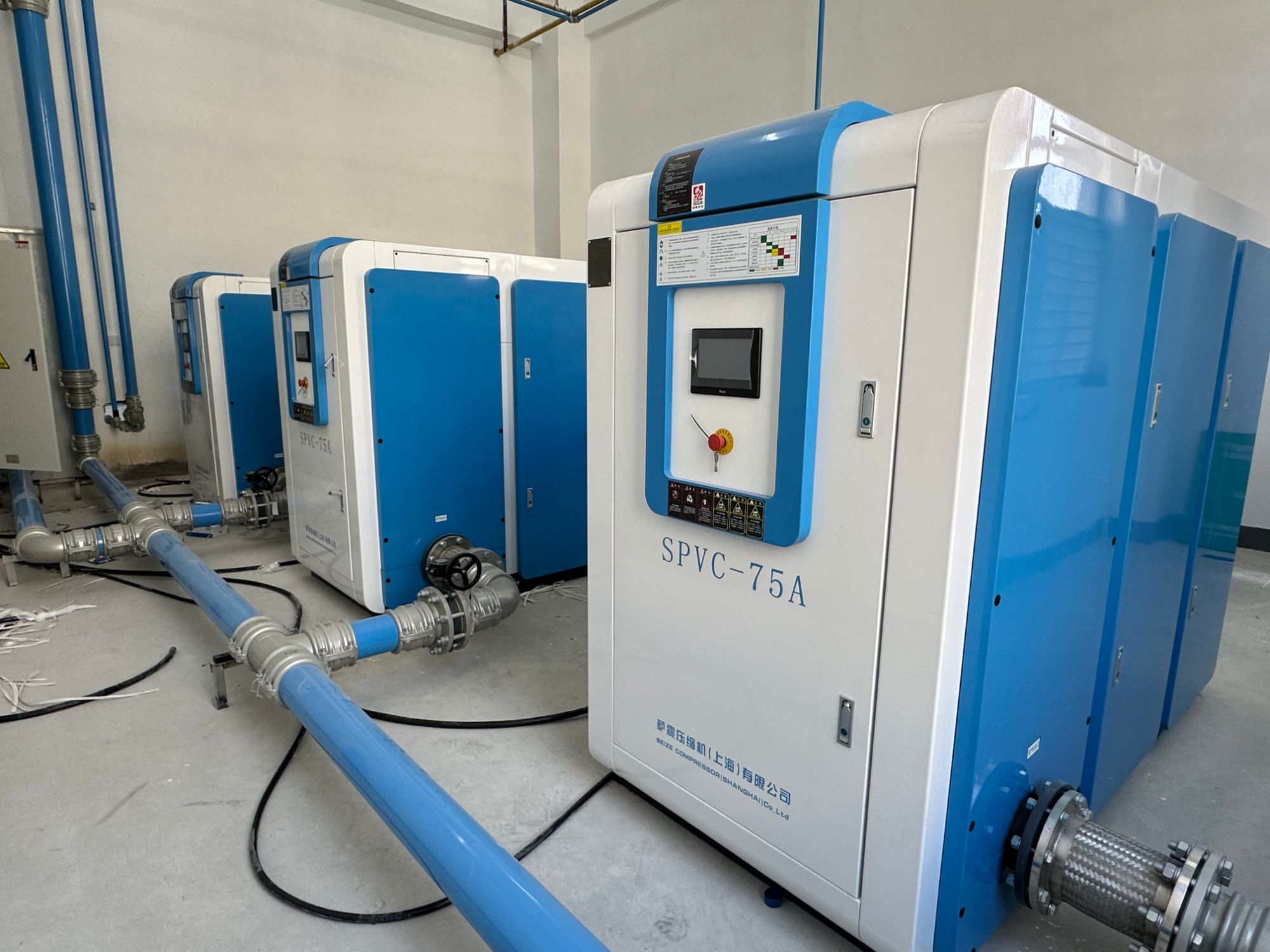
Modern industrial environments can’t afford control systems that merely react after a deviation has already occurred. Instead, the logic sits at the heart of the equipment, constantly digesting live sensor streams and making micro-adjustments before a human operator would even notice a fluctuation. This isn’t a pre-programmed sequence of steps; it is a continuous feedback loop where the controller re-evaluates target parameters against actual conditions many times per second. Temperature ramp rates get softened when a material shows unexpected thermal behavior, conveyor speeds ease down if a downstream machine signals a brief accumulation, and pump strokes alter in near real-time to keep a delicate mixing ratio stable. The result is a process that feels organic, almost as if the machinery has developed an instinct for maintaining harmony.
What makes this approach truly powerful is the rejection of one-size-fits-all thresholds in favor of contextual awareness. A traditional thermostat knows one thing: is the reading above or below a setpoint? An adaptive control block understands the rate-of-change, the historical pattern from the previous cycle, and the energy cost of moving too aggressively. It might deliberately allow a tiny overshoot during a startup phase because modeling tells it that clamping down harshly would create a longer settling time. This trade-off makes production lines dramatically more efficient without requiring an engineer to sit and hand-tune PID gains for each variation in raw materials or ambient humidity.
Beyond the efficiency gains, these self-adjusting behaviors shift how operators interact with the line. Instead of staring at trend screens and manually pushing setpoints to fix a drifting value, they monitor exception dashboards that highlight anomalies the control system couldn’t resolve on its own. This turns human attention into a scarce resource reserved for true outliers, while the bulk of routine variance gets absorbed silently. The control platform quietly learns the fingerprint of a good batch and pushes back against disturbances so gently that the finished product quality becomes remarkably consistent, even when incoming material properties swing from lot to lot.
Built to Last: Materials That Resist Corrosion and Wear
When engineers face harsh environments, the right material choice can mean the difference between decades of reliable service and premature failure. Stainless steels infused with chromium and nickel form a self-healing passive layer that fends off rust even when scratched. For chemical plants, exotic alloys like Hastelloy and Inconel tackle acids and high temperatures that would dissolve lesser metals. Ceramic coatings and polymer linings add another dimension, shielding steel from abrasive slurries and corrosive gases without the weight penalty of solid ceramic parts.
Wear resistance often demands a different playbook. Tungsten carbide overlays and hardfacing alloys arm surfaces against grinding erosion, while through-hardened tool steels maintain their edge in cutting and forming operations. Polymer composites reinforced with carbon fiber quietly outperform metals in sliding applications—their low friction and self-lubricating properties eliminate galling and reduce maintenance. Even concrete gets a boost from fiber reinforcement and crystalline waterproofing admixtures that fill microscopic cracks before they spread.
The real art lies in matching the material’s personality to the threat. A marine pump housing might call for duplex stainless steel, balancing strength and pitting resistance, while an ore chute liner needs abrasion-resistant cast iron with a hardness that scoffs at falling rock. Emerging options like high-entropy alloys and graphene-enhanced coatings promise even finer control, blurring the line between corrosion and wear defense. Smart selection—guided by field data rather than catalog specs—keeps critical infrastructure running decades past its expected retirement date.
Achieving Silent Operation Without Sacrificing Performance
The pursuit of a whisper-quiet device often comes at the cost of throttled speeds and sluggish response. Traditional solutions rely on passive cooling or underpowered components that simply can't keep up with demanding tasks. Our approach rethinks the entire thermal architecture, employing advanced heat dissipation materials and a redesigned airflow path that maximizes efficiency without cranking up fan speeds. This means you can push the hardware to its limits during intensive workloads, yet the system remains composed and unobtrusive, blending into the background rather than competing with your concentration.
Beyond just hardware, intelligent software controls play a crucial role. Customizable profiles allow the system to learn your usage patterns, preemptively adjusting cooling curves to keep noise in check during lighter loads and only ramping up when absolutely necessary. Even then, the fans are engineered with precision blades and fluid dynamic bearings that produce a smoother, less tonal sound signature—more of a gentle hush than an irritating whine. The result is an experience where you're no longer forced to choose between a peaceful environment and top-tier performance; you get both, seamlessly.
Maintenance Practices That Keep Your Blowers Running Reliably
Regular inspection of blower components is one of the simplest yet most effective ways to prevent unexpected failures. Pay close attention to belts, filters, and seals—these parts wear out faster than you might think. A loose belt might slip without making much noise, gradually reducing airflow. Clogged filters force the motor to work harder, which hikes up energy consumption and shortens its lifespan. Checking these elements every few weeks lets you catch minor issues before they turn into costly repairs. It also helps to keep a log of what you find; written notes reveal patterns and help you plan part replacements ahead of time.
Lubrication practices can make or break blower reliability. Over-greasing is just as harmful as under-greasing, yet many maintenance routines fail to account for the specific needs of different bearings. Some bearings come sealed from the factory and don't require additional lubricant, while others depend on precise intervals and correct grease types. Consult the manufacturer's guidelines, and when in doubt, less is often more. Excess lubricant can overheat the housing and force contaminants into places they shouldn't be. A consistent, measured approach to lubrication not only silences annoying squeaks but also keeps internal temperatures stable and rolling elements running smoothly.
Take advantage of vibration analysis and thermal monitoring if your equipment supports it. Handheld sensors and infrared tools have become fairly affordable, and they give you direct insight into the health of rotating assemblies. A spike in vibration often signals misalignment or imbalanced impellers long before you'd hear anything unusual. A gradual rise in surface temperature can hint at bearing fatigue or restricted airflow. By tracking these readings over time, you build a baseline that makes anomalies stand out immediately. Acting on these subtle cues keeps small mechanical shifts from escalating into full-blown breakdowns that bring operations to a halt.
Real-World Installations Where Blowers Made a Difference
In a sprawling wastewater treatment facility on the outskirts of Phoenix, Arizona, a network of high-pressure blowers transformed the plant’s aeration basins. Before the upgrade, aging mechanical aerators struggled to maintain consistent oxygen levels, leading to erratic biological activity and frequent odor complaints. Engineers replaced the entire system with custom-designed turbo blowers that automatically adjust output based on real-time dissolved oxygen readings. Within weeks, the facility saw energy consumption drop by nearly thirty percent, while effluent quality surged past regulatory standards. Local residents noticed the change too—the persistent rotten-egg smell that once wafted over the neighborhood on hot summer days simply disappeared.
Across the Atlantic, a pneumatic conveying system at a cement plant in rural Belgium faced chronic blockages whenever humidity spiked. The original lobe blowers lacked the pressure and adaptability to handle moist raw meal powder, causing hours of downtime each month. A switch to variable-speed screw blowers with integrated drying stages eliminated the bottleneck. The new setup not only smoothed out material flow but also reduced the plant’s compressed air demand across multiple operations. Maintenance teams went from reactive firefighting to planned inspections, and the line’s throughput climbed by fifteen percent without any other major equipment changes.
Perhaps the most dramatic turnaround happened at a fish farm in Thailand’s Mekong Delta. Intensive tilapia cultivation relied on a patchwork of paddlewheel aerators that devoured electricity and often failed during critical monsoon season. A solar-assisted blower array, coupled with fine-bubble diffuser grids, brought stable dissolved oxygen even under cloud cover, thanks to a smart battery buffer system. Mortality rates plummeted, and the farm scaled up production by a third without expanding its pond area. The project became a local model, proving that thoughtful blower implementation could reshape not only energy profiles but entire community livelihoods.
FAQ
You'll want to focus on energy efficiency, durable construction, and low maintenance needs. Advanced controls like VFDs and integrated monitoring systems also matter, as they help maintain consistent airflow and pressure while slashing operating costs. Don't overlook noise reduction and the ability to handle fluctuating loads without sacrificing reliability.
Positive displacement lobe blowers are rugged and simple, but can be loud and less efficient at partial loads. Centrifugal blowers offer high flow rates with a smaller footprint, though they might struggle with pressure fluctuations. High-speed turbo blowers shine in energy savings and turndown ratio, yet they come with a higher upfront price. The best choice depends on your plant size, budget, and aeration demands.
Blowers run 24/7, often in harsh environments with moisture and contaminants. Any downtime can disrupt the biological treatment process, leading to permit violations or costly overflows. A reliable blower keeps dissolved oxygen levels stable, prevents odor issues, and extends the life of your entire aeration system. Investing in proven dependability pays back through uninterrupted operation and fewer emergency repairs.
Regular tasks include checking and replacing air filters, inspecting belts and bearings, and monitoring vibration levels. Many modern blowers have sealed lubricated-for-life bearings, cutting down routine lubrication. It's also wise to schedule periodic cleaning of inlet screens and mufflers, and to keep an eye on system pressures and temperatures. With proper care, the leading models often deliver trouble-free service for years, only needing major overhauls after many thousands of hours.
Aeration accounts for a huge chunk of a plant's energy bill—sometimes up to 70%. An efficient blower can slash that consumption, directly lowering operating expenses. Look for units with high-efficiency motors, optimized impeller designs, and smart controls that match output to actual oxygen demand. The savings from lower kWh usage often recoup the initial investment within a few years, making efficiency a top priority.
Leading manufacturers are integrating IoT connectivity for real-time performance tracking and predictive maintenance. Air-bearing and magnetic-bearing technologies reduce friction losses to almost zero, while advanced aerodynamic profiles boost efficiency across a wider operating range. Some models feature modular designs that make upgrades and part replacements a breeze, minimizing downtime and future-proofing your installation.
Many plants are near residential areas, so excessive noise can lead to complaints. The best blowers come in sound-dampened enclosures and run at lower decibel levels, which is a must if you don't have a dedicated soundproof room. Space is often limited too; compact, vertical designs let you fit high-capacity units into tight footprints, avoiding the cost and disruption of building expansions.
Absolutely. Swapping out aging units for modern turbo or high-efficiency lobe blowers often yields 15–30% energy savings right off the bat. You'll also get better process control through integrated VFDs and sensors, meaning more stable DO levels and fewer manual adjustments. Maintenance headaches—unplanned shutdowns, oil leaks, worn belts—become rare, and the overall system resilience improves dramatically, protecting your plant's compliance and reputation.
Conclusion
In modern wastewater treatment, selecting the right blower goes beyond basic aeration—it’s about achieving a balance of energy savings, intelligent operation, and longevity. Advanced high-speed turbo and positive displacement blowers now incorporate variable frequency drives and precision airfoil impellers that slash power bills by up to 30%, while adaptive controls continually adjust airflow to match real-time oxygen demand. This dynamic response not only curtails energy waste but also buffers the system against load fluctuations, keeping processes stable. Built from duplex stainless steel and coated alloys, these machines defy the harsh, corrosive environment of wastewater plants, ensuring that internal components withstand moisture and chemical attack without premature failure.
Noise reduction is another critical factor, with integrated silencers and soundproof enclosures enabling near-silent operation—essential for plants near residential zones—without throttling performance. Long-term reliability stems from proactive maintenance features like easily accessible filtration, vibration sensors, and self-cleaning mechanisms that simplify upkeep and extend service intervals. In practice, installations worldwide have proven that upgrading to such blowers can resolve persistent over-aeration issues, reduce blower room footprint, and provide the resilience needed for 24/7 operation. Whether retrofitting an old plant or designing a new one, these top-tier blowers deliver a compelling mix of efficiency, durability, and quiet performance that directly impacts the bottom line and environmental compliance.
Contact Us
Contact Person: Mia
Email: [email protected]
Tel/WhatsApp: +86 19821985894
Website: https://www.seize-air.com