

Sourcing the Best Water Pipe Cleaning Machines: A Buyer’s Guide
2026-06-10
Finding the right water pipe cleaning machine can feel overwhelming—especially with so many options promising efficiency and durability. Whether you’re a plumbing professional or a facility manager, the key lies in balancing power, reliability, and ease of use. That’s where AMJET stands apart, combining advanced technology with practical design to tackle even the toughest blockages. In this guide, we’ll walk you through what to look for and how to make a choice you won’t regret.
Why Pipe Cleaning Matters More Than You Think
It’s easy to forget the network of pipes inside your walls—until something goes wrong. Out of sight often means out of mind, but the gradual buildup of grease, soap scum, hair, and even tiny food particles turns into a stubborn layer that narrows passageways over time. This slow chokehold doesn’t just lead to sluggish drainage; it invites bacteria and creates an environment where minor blockages can suddenly escalate into full-blown backups that disrupt your entire day.
Beyond the obvious inconvenience, neglected pipes can become a breeding ground for mold spores and mildew, releasing musty odors that creep into living areas. The dark, damp interior of an unmaintained drain is exactly what these organisms love, and once they take hold, the air quality in your home suffers. Family members with allergies or asthma are often the first to notice, coughing or sneezing without an obvious trigger. It’s a hidden health concern that many people blame on seasonal changes rather than the plumbing they rarely inspect.
The financial sting of ignoring pipe cleaning is something nobody wants to experience. What starts as a simple clog can warp under-sink cabinets, ruin flooring, or corrode pipe joints if left to fester. Emergency plumber visits, water damage restoration, and replacement parts add up fast—far more than the modest effort of routine maintenance. A proactive flush or enzyme treatment once in a while isn’t just about clear water; it’s about protecting the structure you live in and dodging those heart‑sinking moments when a backup floods the bathroom at the worst possible time.
Key Features That Separate High-Performance Machines from the Rest
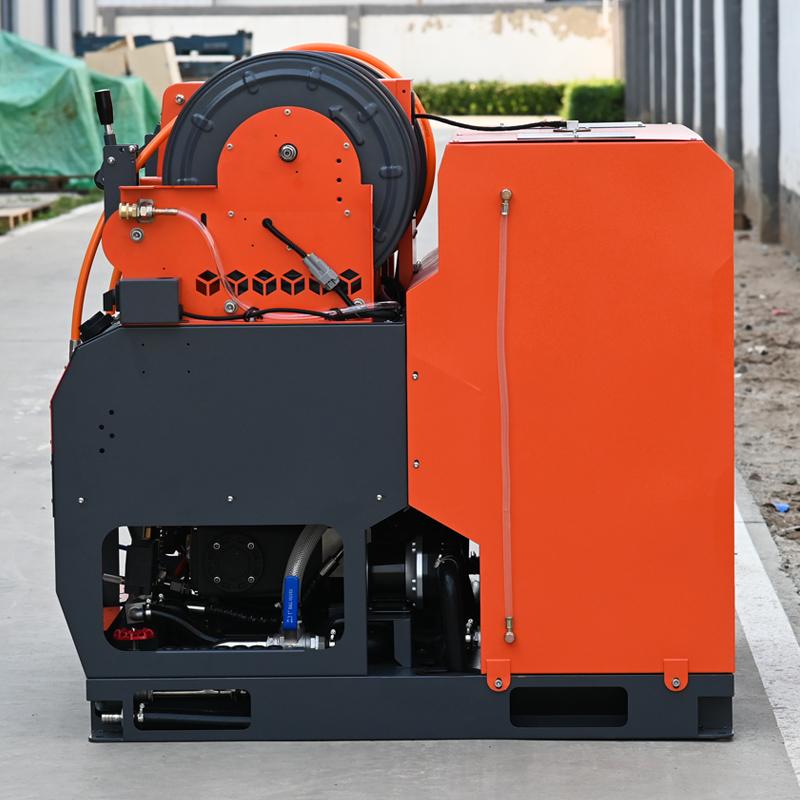
What truly sets elite machinery apart is an uncompromising powertrain, engineered not just for output figures but for how that force is delivered. It's the difference between a motor that peaks and fades and one that sustains relentless thrust across a broad rev range, paired with a transmission that anticipates your next move before you do. This synergy creates an immediacy that turns intention into motion without the faintest hesitation, making the entire package feel alive and electrically responsive.
Beyond mere muscle, the chassis and suspension kinematics are tuned with a singular focus on connection. High-performance machines use advanced materials like carbon-fiber composites and forged alloys to shed unsprung mass, allowing the wheels to follow pavement imperfections with surgical precision. Adaptive damping systems read the road surface and your driving style in real time, adjusting rebound rates millisecond by millisecond. The result is a vehicle that shrinks around you, translating every ripple of asphalt into actionable feedback while keeping you confidently planted.
Often overlooked are the thermal management and aerodynamic strategies that allow consistent, repeatable performance. True high performers route cooling air through precisely ducted channels to keep brakes, differentials, and engine oil temperatures stable lap after lap. Active aero elements shift from drag-reducing profiles on straights to high-downforce configurations under heavy braking, working silently to glue the machine to the ground. This invisible engineering is what lets you push hard without the mechanical fatigue that plagues lesser machines, turning a quick burst of speed into enduring capability.
Matching Machine Specs to Your Facility’s Demands
Before committing to a new piece of equipment, it's easy to get fixated on horsepower or cycle rates, but the real conversation should start with your floor's actual bottlenecks. Look beyond the glossy datasheet and ask whether the machine's footprint meshes with your workflow, or if its peak output will simply outpace your downstream processes and create piles of work-in-progress.
Another layer often overlooked is how the machine interfaces with your team's existing routines. A spec sheet won't tell you if the control panel is intuitive for your operators, or if routine maintenance requires tools you don't stock. Walk the installation path, imagine the daily noise and vibration, and think about how easily you can reconfigure lines when production goals shift next quarter.
Finally, consider the hidden demands: power supply stability, compressed air quality, or even the ceiling height needed for safe operation. Matching specs isn't about ticking boxes on a comparison chart—it's about ensuring the machine feels like it belongs in your facility from day one, without forcing compromises that chip away at efficiency months down the line.
Budgeting Smartly Without Sacrificing Essential Capabilities
Smart budgeting starts with a clear-eyed view of what your team actually needs to function well. It’s tempting to cut across the board, but that often leads to burnout and broken workflows. Instead, map out your essential capabilities—the tools, skills, and processes that directly impact core outcomes—and protect them fiercely. Every dollar trimmed from these areas tends to cost far more down the line.
One approach is to audit recurring expenses ruthlessly. Many teams pay for overlapping software or underused licenses that drain funds without adding value. Switching to open-source alternatives or using free tiers for non-critical tasks can free up cash for must-have investments. Consider cross-training staff so you’re not as dependent on expensive external consultants—it builds internal resilience while cutting costs.
Finally, think in cycles rather than one-off slashes. A reduction that saves money today but cripples your ability to innovate or respond to market changes is a false economy. Build a budget that allows for experimentation, even if it’s on a smaller scale. That way, you keep the engine running without stripping it for parts.
Evaluating Manufacturer Support and Long-Term Reliability
When assessing a manufacturer's long-term reliability, it's crucial to dig beneath surface-level claims and examine real-world performance history. This means scrutinizing how their equipment holds up after years of continuous use, not just during short-term trials. Look for detailed case studies or user testimonials from facilities operating under conditions similar to your own, paying close attention to failure rates, maintenance intervals, and the availability of spare parts over time. A truly reliable partner will openly share this data rather than obscuring it behind marketing gloss.
Support infrastructure often separates dependable brands from those that merely sell hardware. Responsive technical assistance, readily available training resources, and a well-stocked parts network can drastically reduce downtime when issues arise. Investigate whether the manufacturer offers regional service centers, on-site repair capabilities, and proactive maintenance programs. Asking pointed questions about average response times and first-visit fix rates during evaluation can reveal how much they truly invest in customer success beyond the initial sale.
Finally, consider the manufacturer's trajectory and commitment to innovation as a reliability signal. Companies that consistently refine their designs based on field feedback and evolving industry standards tend to produce longer-lasting products. Check if they have a clear roadmap for backward compatibility and for supporting legacy systems, because a manufacturer that abandons older models quickly often forces costly upgrades. True long-term reliability is built on a foundation of continuous improvement and genuine customer partnership, not just robust initial engineering.
Real-World Testing: What to Look for Before You Commit
When you start evaluating a new tool or system, skip the polished demos and ask to run it under conditions that match your daily chaos. Lab numbers rarely survive a Monday morning rush, so simulate peak loads with real data, not sample datasets. Look for lag, crashes, or features that suddenly become sluggish when multiple users pile on—these are the gremlins you’ll face later, and a vendor’s promise won’t fix them.
Spend time observing how the tool fits into your existing workflow instead of forcing everyone to adapt to it. Pay attention to the small things: does it handle edge cases gracefully, or do errors pop up constantly? Check if its updates break integrations you rely on, and whether the user interface confuses seasoned team members. If you find yourself writing workarounds during the trial, that’s a warning sign you’ll be doing it forever.
Before locking in a contract, insist on a pilot period where your actual team uses it for critical tasks. Gather feedback on frustrations and time wasted, not just feature checklists. Watch for hidden costs like training time or extra licenses that weren’t disclosed upfront. If the support team vanishes during a trial hiccup, they’ll likely do the same after you’ve committed—so make sure they earn your trust now.
FAQ
Focus on the pipe diameter range it can handle, water pressure and flow rate, portability, and whether it offers adjustable settings for different cleaning tasks.
Electric models are quieter and better for indoor use, while gas-powered ones offer more power and portability for outdoor or remote jobs without access to electricity.
Very important. Different nozzles handle different blockages—like penetrating nozzles for tough clogs or flushing nozzles for debris removal—so a good selection increases versatility.
Look for a ground fault circuit interrupter (GFCI) on electric units, a sturdy frame to prevent tipping, thermal protection to avoid overheating, and a pressure relief valve.
Some mid-range models can handle both, but heavy commercial use often demands higher pressure and flow rates, so check the specifications against the scale of your typical jobs.
Regularly inspect hoses for wear, clean or replace filters, lubricate moving parts, flush the system after use, and store it in a frost-free environment to prevent damage.
Trailer-mounted units are better for frequent, large-scale jobs where mobility and high capacity are essential; cart-mounted ones are more compact and suitable for occasional use or tight spaces.
Conclusion
Finding the right water pipe cleaning machine goes far beyond a simple purchase—it's about safeguarding infrastructure and ensuring long-term operational efficiency. Overlooking pipe maintenance can lead to hidden buildup that compromises flow, damages equipment, and even creates health risks, so the importance of proactive cleaning often gets underestimated. High-performance machines stand out through key differentiators like adjustable pressure control, durable pump materials, and versatile nozzle options that let you tackle everything from grease obstructions to mineral scale. But technical specs alone aren't enough: you need to match flow rates, hose length, and power source to your facility's pipe diameters, layout, and typical residues. Without this alignment, you risk buying a unit that's either underpowered for heavy-duty jobs or overly complex for routine tasks.
Smart budgeting involves looking past the upfront price and assessing total cost of ownership—factoring in energy consumption, wear parts, and the expense of downtime if a cheaper machine fails. That's where manufacturer support becomes critical: responsive technical help, warranty clarity, and accessible spare parts distinguish brands that view you as a partner from those just moving inventory. Before committing, insist on a real-world trial that mimics your toughest challenges, observing not just cleaning speed but also ergonomics, noise levels, and ease of transport. By methodically evaluating these aspects, you move beyond marketing claims and invest in a solution that consistently delivers results, keeps crews safe, and adapts as your maintenance needs evolve.
Contact Us
Contact Person: Mike
Email: [email protected]
Tel/WhatsApp: +86 19545555505
Website: https://www.amjeting.com/