

Soil Hardener for Dust Control: How It Works and Why You Need It
2026-07-15
Dust from unpaved roads and construction sites isn't just a nuisance—it's a hazard that compromises air quality, safety, and compliance. Traditional methods like watering are short-lived and water-intensive. That's where MST soil hardener steps in, offering a durable, eco-friendly solution that transforms loose soil into a solid, dust-free surface. In this post, we'll break down the science behind it and why it's the smarter choice for lasting dust control.
The Science Behind Soil Hardening Agents
Soil hardening agents typically work by introducing compounds that trigger physicochemical reactions within the soil matrix. When mixed with soil and water, these agents—often based on polymers, silicates, or enzymes—coat individual particles and fill void spaces. This process reduces porosity and strengthens interparticle bonds, effectively transforming loose, unstable soil into a dense, load‑bearing surface. The reactions can be fast or gradual, depending on the agent’s formulation and environmental factors like temperature and moisture content.
At a microscopic level, many hardening agents promote flocculation, where clay platelets and fine silts cluster together, expelling bound water. This compaction is often accompanied by ion exchange—calcium or magnesium ions in lime-based agents, for instance, displace sodium on clay surfaces, reducing swelling potential. In polymer-modified systems, long-chain molecules create a flexible network that binds particles while still allowing some permeability, striking a balance between rigidity and drainage that purely cementitious materials lack.
The hardening process can also involve pozzolanic reactions when the soil contains reactive silica or alumina. The agent supplies calcium hydroxide, which reacts with these minerals over weeks to form cementitious compounds like calcium silicate hydrate. This gradual gains in strength mimic natural rock formation but happen orders of magnitude faster. Field engineers often adjust application rates and curing methods to optimize these reactions, tailoring the final mechanical properties to everything from footpaths to heavy-duty industrial flooring.
How Soil Hardeners Tackle Dust at the Source
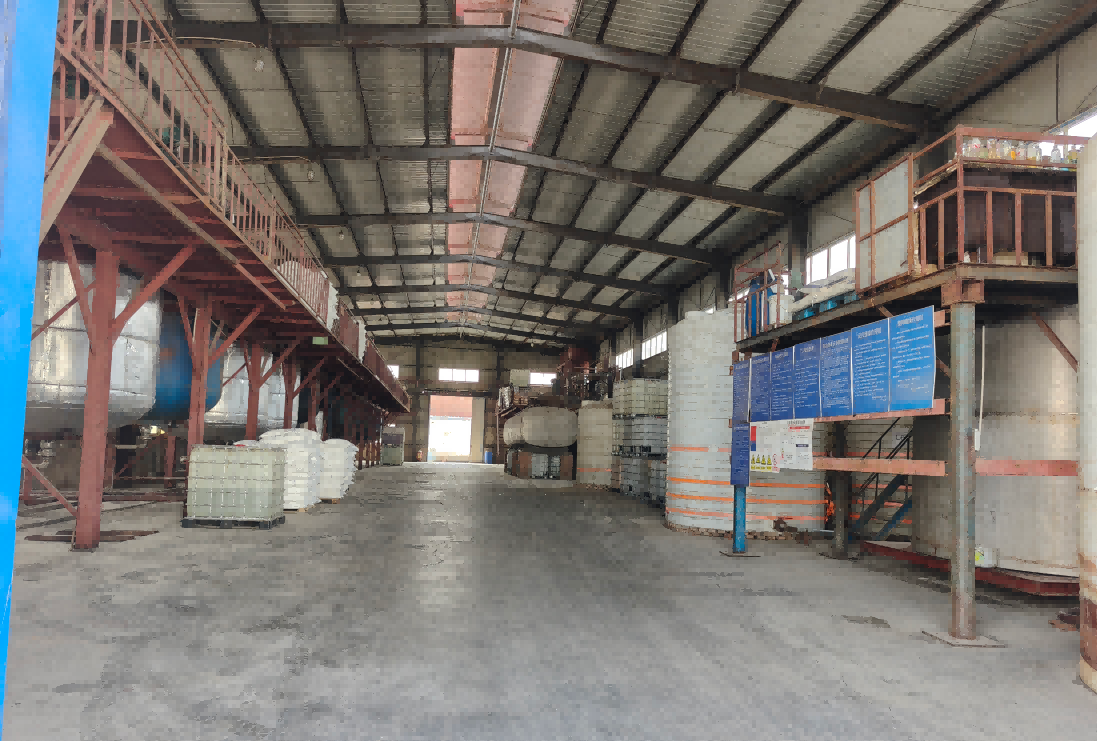
Loose, dry soil is the primary culprit behind airborne dust, especially in unpaved roads, construction sites, and mining operations. Soil hardeners address this issue directly by penetrating the ground and forming a durable, cohesive crust that binds particles together. Unlike temporary solutions that merely suppress dust after it becomes airborne, these products work at the molecular level to increase soil density and strength, dramatically reducing the ability of wind or traffic to lift particles into the air.
The chemistry behind soil hardeners varies, but many rely on ionic stabilizers or polymer emulsions that react with the minerals in the soil to create a hardened surface. This process not only locks in fine particulates but also improves load-bearing capacity, which decreases road deterioration and the perpetual cycle of dust creation. In essence, the hardened surface becomes resistant to erosion from weathering and mechanical action, addressing dust generation at its very origin.
Key Ingredients That Make Soil Hardeners Effective
Soil hardeners draw their strength from a blend of naturally occurring and synthetically refined materials, each playing a distinct role in transforming loose earth into a durable surface. Polymers like polyacrylamide steal the spotlight because they weave a microscopic net around soil particles, binding them tightly even when the ground gets wet. Unlike simple compaction, this chemical embrace holds everything together, drastically cutting down on erosion and dust without constant reapplication.
Then there are the calcium-based stabilizers—think quicklime or cement—that trigger a slow-motion reaction once they meet moisture. As they cure, they don’t just coat the particles but fuse them into a rock-like matrix, permanently locking silt and clay into a solid slab. This method works wonders on roads or foundations where heavy loads demand more than a temporary fix.
Liquid silicates offer another route; they seep deep into the soil and crystallize over time, forming a glassy barrier that’s tough enough to repel water yet flexible enough to resist cracking. Pairing these ingredients often yields the best results, because the real magic happens when their properties overlap—each one compensating for the others’ weaknesses, creating a hardened layer that feels almost monolithic underfoot.
Comparing Soil Hardeners to Traditional Dust Suppression
Traditional dust control often relies on frequent water spraying or the application of surface-binding agents like lignosulfonates and calcium chloride. Water evaporates quickly, demanding constant reapplication, while salts can leach into groundwater and corrode equipment. In contrast, soil hardeners chemically react with soil particles to form a durable, load-bearing crust that resists erosion and remains effective for weeks or months. This means fewer reapplications and less long-term maintenance, especially on unpaved roads, construction sites, and mining areas where dust poses serious safety and health risks.
Another key distinction is environmental impact. Many traditional suppressants introduce chlorides or synthetic polymers that can harm nearby vegetation and water sources. Modern soil hardeners are often formulated from bio-based or eco-friendly polymers that bind soil without toxic runoff. They can even improve soil structure over time, reducing the need for repeated treatments. Longevity and performance under heavy traffic also set hardeners apart—where a water truck might need to pass several times a day, a properly hardened surface stays intact under rutting and tire pressure, cutting down both water usage and operational costs.
Practical Applications from Farms to Construction Sites
On farms, the integration of autonomous machinery and sensor-driven monitoring systems has transformed daily operations. Tractors equipped with GPS-guided steering can plow, seed, and harvest with minimal human input, reducing overlap and conserving fuel. Drones hover over fields, capturing multispectral images that reveal crop stress, irrigation leaks, and pest infestations long before they are visible to the naked eye. These tools don't just boost productivity; they allow farmers to make informed decisions on the spot, applying water, fertilizer, or pesticides only where needed. The result is a leaner, more sustainable agricultural process that preserves soil health while meeting rising food demands.
Moving from the field to the construction site, the same emphasis on data-driven precision and automation is reshaping how we build. Heavy equipment like excavators and bulldozers now come with onboard computers that use site plans to guide digging and grading with centimeter accuracy. Instead of relying solely on stakes and string, crews can check progress in real time against digital terrain models, cutting down on rework and material waste. Drones again play a role, quickly surveying large expanses to track earthwork volumes and monitor safety compliance. By capturing every change as it happens, project managers gain a living record of the site, which keeps all trades aligned and helps avoid costly clashes.
Underpinning these advances is a shift toward smarter resource management that blurs the line between rural and urban worksites. In both settings, ruggedized sensors collect temperature, vibration, and load data from vehicles and structures, feeding predictive maintenance platforms that flag issues before a breakdown occurs. This doesn't just keep projects on schedule; it extends the service life of expensive machinery and prevents the cascade of delays that often follow unexpected failures. As farms and construction firms embrace these connected systems, they move away from reactive habits and toward a rhythm of continuous improvement—one where each sensor reading or drone pass becomes a building block for safer, more efficient operations.
Long-Term Benefits for Safety and Cost Savings
Investing in robust safety measures isn’t just about meeting regulations—it’s a strategic move that pays dividends over time. When equipment is properly maintained and staff are well-trained, the frequency of workplace accidents drops sharply. This doesn’t just protect people; it shields the company from costly legal battles, higher insurance premiums, and the hidden expense of operational downtime. Each avoided incident strengthens workforce morale, which in turn boosts productivity and reduces turnover—a virtuous cycle that keeps long-term costs remarkably low.
Beyond immediate incident prevention, a safety-first culture drives smarter resource allocation. Instead of throwing money at emergency repairs or reactive upgrades, funds can be channeled into predictive maintenance and durable, energy-efficient equipment. These choices extend the lifespan of assets and slash utility bills, creating a compound effect on savings. Over a decade, the difference between a reactive and a proactive approach often amounts to millions in unplanned expenditures that simply never materialize.
Perhaps most importantly, the trust built through consistent safety performance becomes a competitive advantage. Clients and partners favor organizations known for reliable, incident-free operations, opening doors to long-term contracts and premium pricing. This reputational boost isn’t something money can buy quickly—it grows organically from years of demonstrable care. In the end, the true value lies not just in the money saved, but in the resilience and reputation that sustain a business through unpredictable times.
FAQ
A soil hardener is a liquid treatment that chemically binds soil particles together to create a firm, dust-free surface. Unlike temporary solutions like water or surface sprays, it penetrates the soil and forms a durable, long-lasting crust that resists traffic and weather.
When applied, the hardener seeps into the soil and coats individual particles. The active ingredients trigger a reaction that bridges particles together, filling voids and increasing cohesion. This transforms loose, dusty soil into a compact, stable matrix that won't kick up dust even under heavy use.
Water evaporates quickly and needs constant reapplication, wasting time and resources. A soil hardener creates a permanent or semi-permanent bond that remains effective for months or even years, reducing maintenance and actually strengthening the surface over time rather than just suppressing dust momentarily.
It's ideal for unpaved roads, construction sites, parking lots, hiking trails, equestrian arenas, and industrial yards. Any place with frequent traffic where dust and erosion are problems can see dramatic improvements in air quality, vegetation health, and overall usability.
Most modern soil hardeners are non-toxic and eco-friendly once cured. They lock soil in place, preventing erosion and sediment runoff into waterways. Many are safe for plants and animals, but it's always wise to check the specific product's credentials and avoid application directly in waterways.
Longevity depends on soil type, traffic volume, and climate, but a quality hardener can last from several months to a few years. Heavy rain, extreme freeze-thaw cycles, and constant heavy equipment can shorten the lifespan, though many products are designed to withstand these challenges and can be easily touched up.
Conclusion
Soil hardeners transform loose, dusty ground into a firm, erosion-resistant surface by chemically bonding soil particles together. Unlike simple watering or spraying, these agents trigger a reaction—often through polymers, enzymes, or bio-based binders—that locks fine particles in place, preventing them from becoming airborne. This approach stops dust at the source, cutting through the cycle of reapplication that plagues traditional methods like water trucks or chloride salts. On farms, unpaved lanes stay passable; on construction sites, haul roads remain stable even under heavy traffic. The long-term payoff goes beyond cleaner air: reduced maintenance, fewer respiratory hazards, and significant cost savings since one treatment can last months or even years.
The real advantage lies in the science. Modern formulations use cross-linking technology to create a durable crust, yet remain environmentally friendly and non-toxic. Industrial enzyme solutions, for instance, accelerate natural cementation, while polymer emulsions form a flexible web that withstands weather extremes. Compared to dust suppressants that only dampen temporarily, soil hardeners actively build structure, improving load-bearing capacity and reducing rutting. Whether controlling PM10 on a mine tailings pile or stabilizing a vineyard road, the result is the same: a safer, more productive site with dramatically lower dust levels—and no constant rewatering required.
Contact Us
Contact Person: Helen
Email: [email protected]
Tel/WhatsApp: 86 18630661160
Website: https://www.roadmilestone.com/