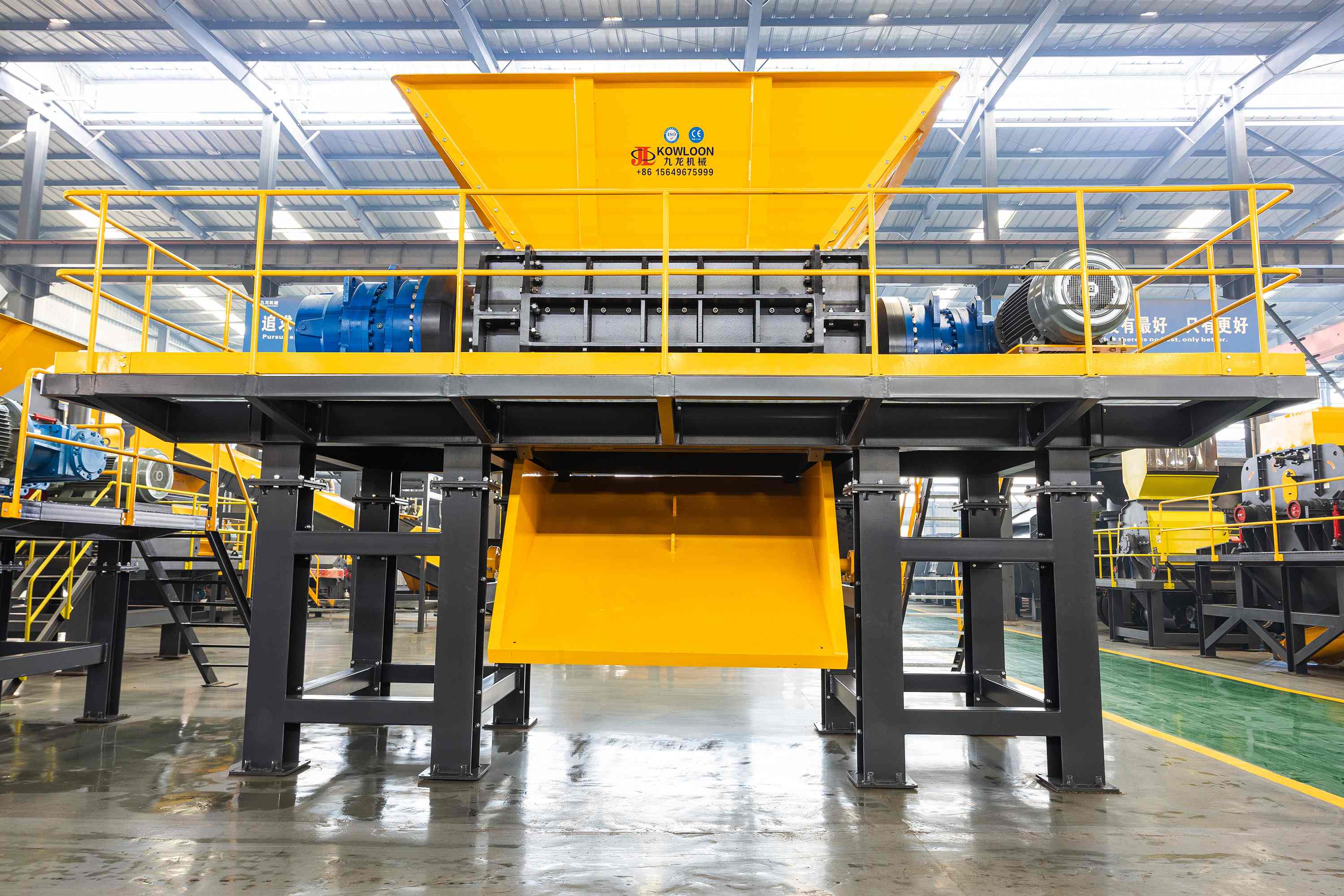

Revolutionizing High Quality Tire Recycling: Sustainable Solutions for a Greener Future
2026-04-05
In the relentless pursuit of sustainability, the tire recycling industry stands at a pivotal crossroads, where innovation can transform waste into invaluable resources. At Kowloon Machinery, we're leading this charge by revolutionizing high-quality tire recycling, offering solutions that not only meet environmental demands but also drive economic efficiency. Our commitment goes beyond mere disposal—we're crafting a greener future through cutting-edge technology and sustainable practices. This blog delves into how our advanced machinery is reshaping the landscape, turning old tires into new opportunities. Join us as we explore the journey from waste to wealth, and discover why Kowloon Machinery is the partner of choice for those dedicated to making a lasting impact. Ready to dive deeper? Visit us at Kowloon Machinery to learn more about our pioneering efforts.
Innovative Methods in Tire Reprocessing
In the evolving landscape of environmental sustainability, tire reprocessing has shifted from basic shredding to advanced, high-value methods. For instance, pyrolysis technology now transforms waste tires into fuel oils, carbon black, and steel, with modern systems incorporating catalytic processes to enhance product purity and reduce emissions. This approach not only minimizes landfill waste but also creates a circular economy where materials are continuously reused, addressing both resource scarcity and pollution challenges.
Beyond traditional recycling, cryogenic grinding stands out by using liquid nitrogen to freeze tires, making them brittle and easier to crush into fine rubber powder with minimal energy and noise. This powder serves as a versatile raw material for sports surfaces, playgrounds, and automotive parts, offering superior durability and flexibility. Innovations in sorting and separation, such as AI-driven optical scanners, further improve efficiency by accurately identifying and separating different tire components, boosting the overall quality and marketability of reprocessed products.
Emerging methods like devulcanization are gaining traction, using chemical or ultrasonic processes to break sulfur bonds in rubber, allowing it to be re-vulcanized into new tires or industrial goods without significant loss of properties. Coupled with developments in biodegradable rubber alternatives and 3D printing applications for recycled materials, these advancements highlight a dynamic sector moving beyond mere disposal to foster innovative, eco-friendly solutions that resonate with global green initiatives and consumer demand for sustainable products.
Environmental Gains from Tire Recycling
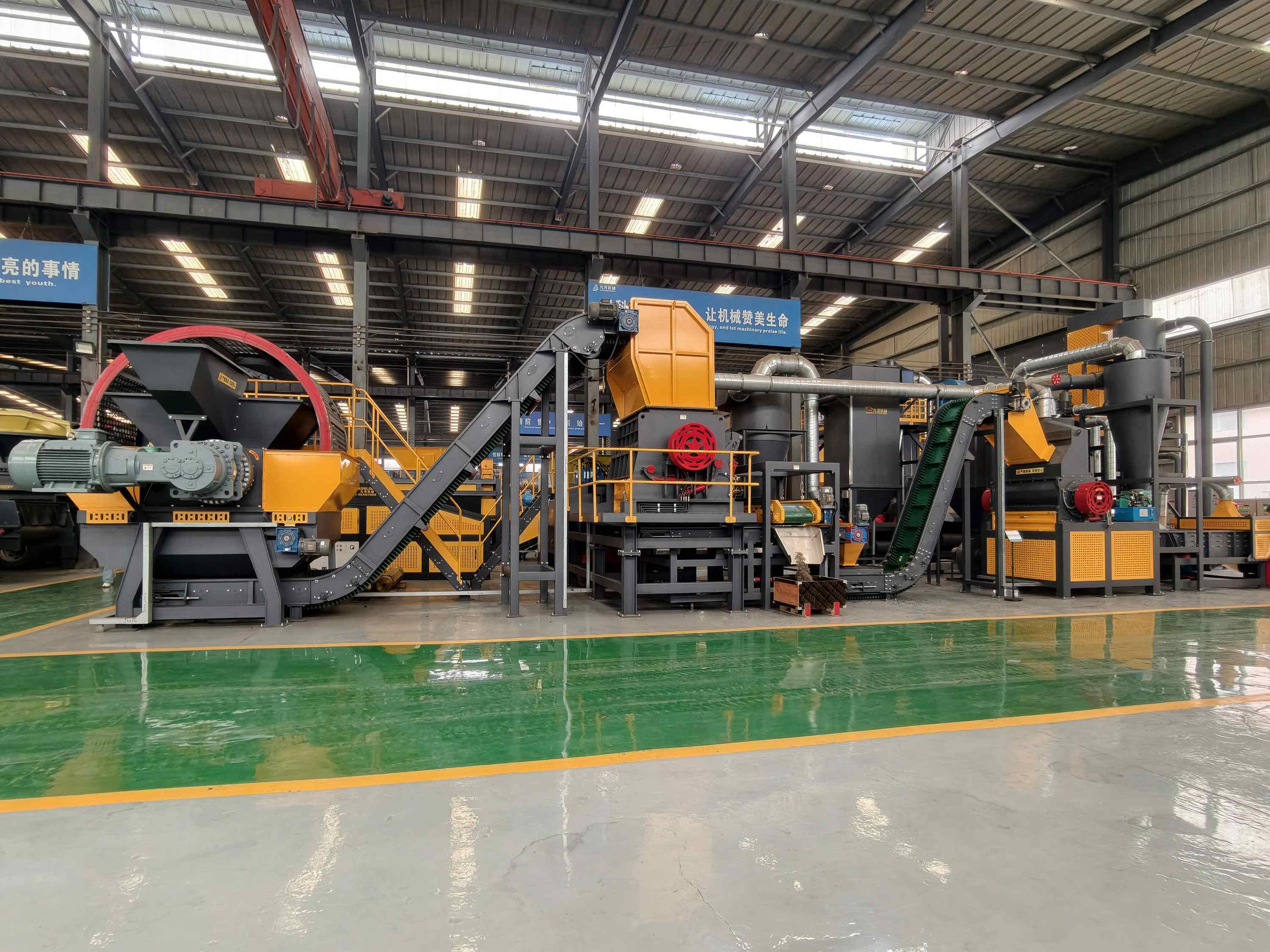
Recycling tires offers significant environmental benefits by reducing the strain on landfills and preventing the accumulation of hazardous waste that can leach harmful chemicals into soil and waterways. Many people don't realize that old tires can take up to 80 years to decompose naturally, occupying valuable space and posing fire risks if stockpiled. By reclaiming these materials, we cut down on the need for raw resources, such as petroleum used in producing new rubber, which in turn lowers carbon emissions from extraction and manufacturing processes.
Innovative recycling methods transform discarded tires into valuable products like rubberized asphalt, playground surfaces, and athletic tracks, which are not only durable but also offer superior performance and safety. For instance, rubber-modified pavements often last longer and require less maintenance compared to traditional materials, leading to fewer repairs and reduced energy consumption over time. This creative reuse breathes new life into what was once considered trash, showcasing how circular economy principles can drive sustainable innovation and community well-being.
Beyond direct product applications, tire recycling contributes to broader environmental goals by mitigating air pollution and conserving biodiversity. By preventing illegal dumping and open burning of tires, which release toxic fumes and contaminants, communities can enjoy cleaner air and healthier ecosystems. This proactive approach fosters a culture of responsibility, encouraging individuals and businesses to participate in green initiatives that protect natural habitats and promote a cleaner, more resilient planet for future generations.
Technology Behind High-Grade Material Recovery
High-grade material recovery hinges on sophisticated technologies that go beyond simple sorting, focusing on precision and purity. At the forefront are advanced spectroscopic methods like near-infrared (NIR) and X-ray fluorescence (XRF) scanning, which enable real-time identification of materials based on their unique chemical signatures. These systems can distinguish between similar plastics, detect contaminants in metals, and even separate composite materials that traditional methods might miss, ensuring recovered streams meet stringent quality standards for reuse in manufacturing.
Complementing this, innovative mechanical processes such as air classification, eddy current separation, and electrostatic separation play a crucial role. For instance, eddy currents efficiently extract non-ferrous metals from mixed waste, while electrostatic techniques exploit differences in electrical conductivity to separate materials like plastics and glass. These methods minimize material degradation and energy use, making recovery more efficient and environmentally sound compared to conventional approaches.
The integration of artificial intelligence and machine learning further elevates the process by optimizing sorting algorithms based on data from sensors and cameras. This dynamic adjustment enhances accuracy over time, reducing errors and improving yield rates. Together, these technologies create a robust framework for recovering high-value materials, supporting circular economies by turning waste into premium resources with minimal loss.
Economic and Social Benefits of Recycling
Recycling isn't just about sorting your trash; it's a powerful engine for economic growth and social cohesion. By transforming waste materials back into usable products, recycling slashes the need for extracting raw resources, reducing manufacturing costs and creating a more resilient supply chain. This cost-saving can be passed on to consumers and businesses, fostering a competitive market. Moreover, the recycling industry itself is a burgeoning job creator, employing thousands in collection, processing, and innovation, which in turn boosts local economies and supports community development.
Beyond the balance sheets, recycling strengthens social bonds by encouraging collective responsibility. When communities come together to recycle, it sparks conversations about sustainability and shared stewardship of our planet. This collaborative effort not only enhances environmental awareness but also builds a sense of pride and connection among residents, leading to fewer social issues related to waste mismanagement. In essence, turning trash into treasure cultivates a culture of care that reverberates through neighborhoods, making our world a little cleaner and our communities a lot closer.
The ripple effects extend globally, as recycling helps mitigate climate change by cutting greenhouse gas emissions from waste disposal and production processes. This environmental safeguard translates into tangible social benefits, such as improved public health from cleaner air and water. In turn, this reduces healthcare costs and enhances quality of life, creating a virtuous cycle where economic savings support social well-being. It's a smart move that pays dividends not just in dollars but in healthier, happier societies.
Challenges and Future Outlook
Navigating the complexities of implementation remains a significant hurdle, as organizations grapple with balancing innovation against operational constraints. Resource allocation, from funding to talent acquisition, often proves insufficient, creating bottlenecks that slow progress and limit scalability. Moreover, regulatory landscapes continue to evolve, adding layers of uncertainty that demand agile responses and robust compliance frameworks. These challenges are compounded by rapid technological shifts, making long-term planning feel like aiming at a moving target, where yesterday's solutions may not address tomorrow's problems.
Looking ahead, the trajectory points toward greater integration of advanced technologies, such as AI-driven automation and decentralized systems, which promise to transform traditional workflows and unlock new efficiencies. Collaboration across sectors will likely intensify, fostering ecosystems where public-private partnerships and cross-industry initiatives become the norm rather than the exception. Sustainability and ethical considerations are set to move from peripheral concerns to core strategic elements, driven by increasing consumer and regulatory demands for transparency and responsibility. This shift could redefine success metrics, prioritizing long-term impact over short-term gains.
Ultimately, the future hinges on adaptability and proactive innovation, where organizations that embrace continuous learning and foster cultures of experimentation are poised to thrive. Challenges will persist, but they also serve as catalysts for refinement, pushing boundaries and inspiring creative solutions. By focusing on resilience and inclusivity, stakeholders can build a more robust and equitable framework, turning obstacles into opportunities and shaping a landscape that balances growth with societal well-being.
Global Impact and Community Initiatives
Our global impact stems from a deep commitment to fostering meaningful change in communities worldwide. By partnering with local organizations, we tackle pressing issues like education gaps, environmental sustainability, and economic empowerment, ensuring our efforts resonate authentically on the ground. Through innovative projects and hands-on collaborations, we've seen transformative results, from revitalizing small businesses to preserving natural habitats, all while building lasting relationships that drive progress beyond borders.
At the heart of our community initiatives is a belief that true change starts with listening and adapting to local needs. Instead of imposing one-size-fits-all solutions, we empower residents to co-create programs that address their unique challenges, whether it's improving healthcare access in rural areas or enhancing digital literacy in underserved neighborhoods. This grassroots approach not only amplifies our impact but also cultivates a sense of ownership and pride within communities, leading to sustainable development that endures long after our direct involvement.
Looking ahead, we're continuously exploring new ways to scale our initiatives while maintaining their authenticity and effectiveness. By leveraging technology and cross-sector partnerships, we aim to amplify our reach and inspire others to join in creating a more inclusive and resilient world, where every community has the tools and support to thrive on its own terms.
FAQ
High-quality tire recycling transforms waste into valuable materials, reducing landfill use and promoting circular economy principles for a greener future.
By repurposing old tires, recycling minimizes harmful emissions from tire disposal and conserves natural resources used in new tire production.
Technologies like pyrolysis and cryogenic grinding enhance efficiency, enabling the extraction of rubber, steel, and oils for diverse industrial uses.
Yes, recycled rubber is widely used in construction, playground surfaces, and automotive parts, showcasing versatility in sustainable applications.
Investment creates jobs, generates revenue from reclaimed materials, and cuts costs associated with waste management and raw material extraction.
Proper disposal of old tires, choosing products with recycled content, and advocating for recycling policies are practical ways to contribute.
Key challenges include technological costs, fluctuating market demand for recycled materials, and ensuring consistent quality across recycling processes.
Advances in automation, increased use of recycled materials in manufacturing, and strong regulatory frameworks are expected to drive growth and innovation.
Conclusion
The revolution in high-quality tire recycling marks a significant shift towards sustainable environmental management, driven by transformative approaches that promise a greener future. This progress is underpinned by innovative methods in tire reprocessing, which enhance the efficiency and quality of material recovery. Advanced technologies play a crucial role in extracting valuable resources from used tires, minimizing waste, and reducing reliance on raw materials. These improvements not only bolster the circular economy but also contribute to substantial environmental gains, such as lowered carbon emissions and decreased landfill burdens, promoting ecological health and resilience.
Beyond environmental benefits, tire recycling offers economic and social advantages, fostering job creation and community engagement through global initiatives that address challenges like regulatory hurdles and market fluctuations. Looking ahead, the industry's future outlook hinges on overcoming these obstacles to maximize global impact, ensuring that sustainable solutions continue to drive positive change and support a cleaner, more sustainable world for generations to come.
Contact Us
Contact Person: Ray
Email: [email protected]
Tel/WhatsApp: +86 13733817580
Website: https://www.zzkowloon.com/