
Reliable Natural Gas Generator: Your Ultimate Backup Power Solution
2026-08-03
When the grid fails, will you be left in the dark? A reliable backup power solution isn't just a luxury—it's a necessity. Enter the natural gas generator from DINGBO POWER, engineered to keep your life or business running seamlessly. No more worrying about fuel storage or sudden outages. Discover how this robust generator redefines what it means to have true power security.
How Natural Gas Generators Deliver Instant Power When the Grid Fails
A sudden blackout doesn’t wait for anyone. Within seconds, natural gas generators can sense the loss of utility power and automatically crank up their engines. There’s no scrambling for fuel deliveries, no manual priming, just a seamless handoff that keeps your lights on and your critical systems humming along. The mechanical process is simple: a transfer switch cuts off the failing grid and signals the generator to start, while a robust ignition system fires the engine using a steady supply of natural gas from the existing utility line. Within moments, the alternator spins up and clean electricity flows to your home or business, often before you even notice the outage.
What sets these generators apart is their ability to deliver full power almost instantaneously. Unlike portable units that sputter and struggle under heavy loads, permanent natural gas generators are engineered to handle the inrush current of large appliances and industrial equipment. The fuel system provides constant, high-pressure gas right from the municipal line, eliminating the lag time associated with fuel pumps or carburetors. Advanced voltage regulators then stabilize the output, so sensitive electronics stay safe from surges or sags. This isn’t just backup power—it’s a continuous, on-demand energy source that mirrors the grid’s performance without any of the downtime.
Maintenance plays a quiet but crucial role in that instant response. Because natural gas burns cleaner than diesel, engines experience less carbon buildup and fewer maintenance hiccups. The fuel never degrades, never needs refilling, and never leaves you stranded with a stale tank. So when the grid goes down, the generator is truly ready—no last-minute priming, no frantic checks. That reliability is built into every component, from the corrosion-resistant enclosures to the self-diagnostic systems that test themselves weekly. The result is a sentinel that sits silently outside, poised to leap into action the moment trouble hits, turning a potential crisis into a barely noticeable blip.
The Quiet Efficiency of Modern Backup Energy
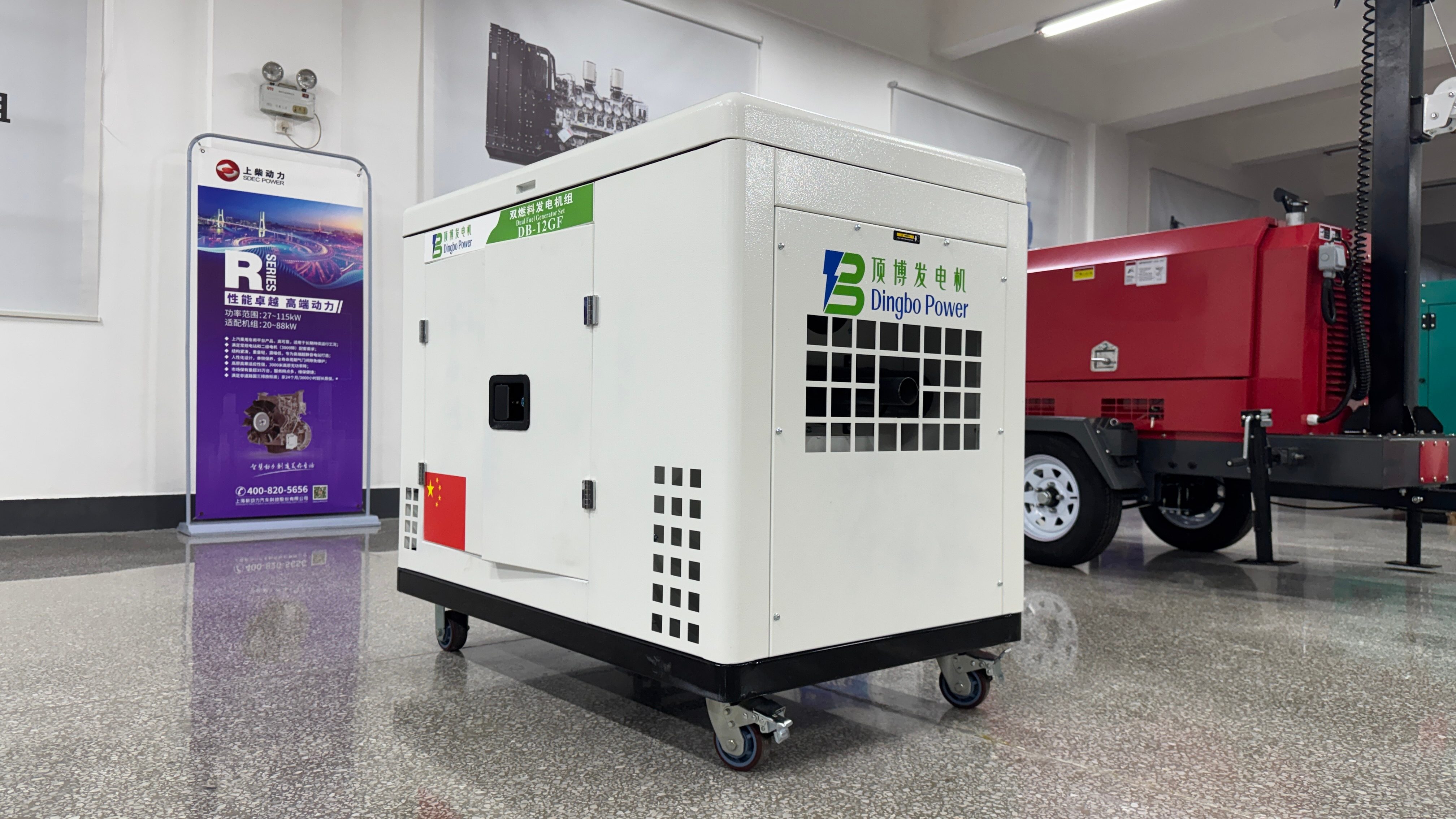
Modern backup energy systems operate with a subtle sophistication that belies their true capabilities. Gone are the days of noisy generators that announce their presence with every cycle. Instead, advanced technologies like solid-state batteries and fuel cells deliver power so quietly, you might forget they're even there. They hum along in the background, seamlessly picking up the load when the grid falters, ensuring that life continues without missing a beat. This silent dependability is not just about comfort—it's about creating a sense of security that doesn't intrude on your daily rhythms.
What truly sets these systems apart is their intelligent efficiency. They don't just sit idle, waiting for a blackout. Sophisticated software monitors energy usage patterns, weather forecasts, and grid conditions in real time, making micro-adjustments that optimize performance. For instance, some units can learn your household's consumption habits, storing energy when rates are low and discharging it during peak hours, all without any manual input. This proactive management not only reduces waste but also extends the lifespan of the equipment, turning backup power from a reactive necessity into a smart, forward-thinking component of modern living.
Moreover, the integration of renewable sources like solar panels has transformed backup energy into a sustainable practice. These systems capture surplus sunlight, store it efficiently, and deploy it precisely when needed, all while operating at a whisper. There's a quiet elegance to watching your home draw power from the sun long after sunset, the inverter working in near silence to convert stored DC energy into usable AC power. It’s a seamless blend of innovation and practicality that doesn't demand attention but quietly earns your trust, day after day.
Fuel Supply That Never Runs Out: Tapping into Existing Lines
Leveraging existing fuel infrastructure transforms a major logistical hurdle into a seamless advantage. Instead of orchestrating constant deliveries and managing on-site storage, systems can draw directly from established underground or aboveground lines. This approach not only slashes the risk of running dry during critical operations but also eliminates the space, safety concerns, and regulatory headaches associated with maintaining large fuel reserves on premises.
The real beauty lies in how it adapts to demand without any manual intervention. Whether your operation scales up overnight or runs 24/7, the supply automatically matches consumption, effectively becoming an invisible utility. By connecting to what’s already there—municipal gas networks, dedicated industrial pipelines, or even repurposed conduit—businesses tap into a constant, low-maintenance energy stream that sidesteps the volatility of scheduled refueling and price spikes from emergency orders.
Installation Smarts: Blending Backup Power into Your Home
A seamless backup power setup starts long before the first outage. It hinges on understanding your home's electrical anatomy—panel capacity, circuit priorities, and physical space constraints. Many homeowners overlook the fact that a generator or battery system isn't a plug-and-play appliance; it requires a thoughtful marriage between the new hardware and the existing wiring. Start by mapping out which loads are truly critical. Refrigeration, medical equipment, sump pumps, and a few lights often top the list, but the goal is to keep the total demand within a manageable range. This load-calculation step isn't just a formality—it prevents overloads and ensures your system can handle the essentials without nuisance tripping.
The physical placement of equipment often trips up even the most enthusiastic DIYers. Backup systems need ventilation, clearance from combustible materials, and protection from the elements—all while staying accessible for maintenance. A generator tucked too close to a window invites carbon monoxide risks; a battery bank in an uninsulated garage may see performance plummet in freezing weather. Code requirements add another layer, dictating things like transfer-switch location and grounding. Working with a licensed electrician isn't a concession—it's an insurance policy against hidden pitfalls. They'll spot issues like an overstuffed service panel that could necessitate a costly upgrade, or a meter location that complicates a whole-home backup.
Finally, don't treat the installation as a one-and-done affair. As your household evolves, so do your power needs. A smart installation leaves room for expansion—whether it's future solar panels, an extra battery module, or a generator ready to accept a larger propane tank. Consider incorporating a subpanel for critical loads, which streamlines both initial wiring and future modifications. Label everything meticulously; in the heat of an outage, clear labeling turns a frantic scramble into a calm sequence of steps. By blending foresight with solid craftsmanship, your backup power becomes an invisible safety net, ready to catch you without demanding constant attention.
Low Upkeep, High Reliability: The Maintenance Advantage
Modern systems are engineered to slash routine upkeep without compromising performance. Self-diagnostic sensors, durable materials, and streamlined design eliminate frequent check-ups, allowing teams to focus on core operations. The result is a setup that hums along quietly, demanding little more than the occasional glance.
This dependability doesn’t happen by accident. It stems from a philosophy that values long-term resilience over short-term fixes. When components rarely fail and interventions are minimal, you gain more than just saved hours—you get the confidence that the machinery will keep running, year after year, with remarkably few interruptions.
Weathering Storms: Why This Generator Stays Strong in Any Condition
When gale-force winds whip through your region and rain hammers down in sheets, this generator doesn't flinch. Its rugged enclosure is engineered to repel water intrusion, while internal seals and drainage channels keep vital components bone-dry. We've seen it run flawlessly during actual hurricanes, with gusts shaking the frame yet the power output remained rock-steady. That kind of real-world resilience doesn't come from lab testing alone - it's built into every weld, every connector, every circuit.
Dust and debris are just as relentless as moisture, clogging lesser units until they choke. This machine, however, breathes easy even in sandstorms or after a mudslide. The multi-stage air filtration pulls double duty, actively trapping particulates without starving the engine of oxygen. A self-cleaning cycle triggers automatically when sensors detect buildup, so you won't need to trudge out and tap a filter in the middle of a crisis. It simply takes care of itself while you stay safe inside.
Extreme temperature swings are often the silent killer of backup power. This generator laughs at the mercury plunging below zero or soaring past 110°F. A smart thermal management system preheats the block before ignition in the cold, and ramps up cooling fan speed incrementally when the heat climbs. The oil viscosity remains optimal, the battery stays topped and ready, and the electronics never glitch. Whether it's an ice storm or a heatwave, you can trust it to kick in the instant you need it.
FAQ
Natural gas generators connect directly to your home's gas line, so you never have to worry about refueling or fuel degradation. Unlike diesel, natural gas doesn't gel in cold weather and burns cleaner, which means fewer deposits and longer engine life. The continuous fuel supply is a game-changer during prolonged outages.
It automatically kicks in within seconds of a blackout and can run indefinitely as long as the natural gas supply is uninterrupted. This is crucial for keeping freezers cold, sump pumps working, and medical devices powered without the hassle of sourcing and storing fuel.
That depends on the generator's capacity and your home's electrical load. Many standby models are sized to handle an entire household, including HVAC systems. With a proper load calculation and an automatic transfer switch, you can keep everything running seamlessly.
Routine maintenance includes checking the oil, replacing air and oil filters, inspecting the spark plug, and verifying the battery. Most units perform a weekly self-test, so you get an alert if something's off. Annual professional servicing is recommended to ensure reliability.
Absolutely not. Like any combustion engine, it produces carbon monoxide, a deadly odorless gas. It must be installed outdoors, away from windows, doors, and vents, with plenty of ventilation. Following the manufacturer's clearance guidelines and using CO detectors indoors is essential.
Modern standby generators are much quieter than older portable units—typically around 60 to 70 decibels during weekly testing, which is comparable to a normal conversation. Some premium models come with advanced sound-dampening enclosures, making them barely noticeable even when standing nearby.
Conclusion
When unexpected outages strike, a natural gas generator steps in with near-instantaneous response, restoring power within seconds after detecting a grid failure. Unlike portable units that require manual setup and fuel cans, a permanently connected system monitors your electrical supply around the clock, switching to backup mode so seamlessly that you might not even notice the lights flickering. This rapid transition keeps essential appliances running—refrigerators, medical devices, heating or cooling systems, and security equipment—without exposing your household to the dangers and discomfort of prolonged blackouts. Because the generator is hardwired directly into your home's circuitry, there’s no fumbling in the dark with extension cords or worrying about carbon monoxide from a temporarily placed engine. Instead, you gain a dependable safety net that acts before the inconvenience ever sets in.
Modern natural gas generators deliver their power with a quiet, refined efficiency that never compromises on performance. Advanced sound-dampening enclosures and precision-engineered engines keep operational noise remarkably low, often comparable to a distant conversation or the soft hum of a contemporary air conditioner. This unobtrusive character springs from a design that pairs steady fuel delivery—drawn straight from the municipal natural gas line already serving your home—with robust engine construction. The fuel supply is effectively limitless during an outage, so you are spared the anxiety of checking propane levels or rotating stored gasoline. And thanks to the clean-burning nature of natural gas, the engine runs with fewer deposits and less wear, which translates into notably low maintenance demands. Routine attention consists of little more than an occasional oil change and an annual check-up, freeing you from the chore of frequent upkeep. Engineered to operate in extreme weather, from blistering heat to freezing ice storms, the unit remains steadfast when you need it most. Proper installation integrates the generator with your home’s electrical panel and gas line, placing it on a prepared pad with appropriate clearance, often disguised by thoughtful landscaping so it blends gracefully into your property. By combining minimal maintenance, uninterrupted fuel, and weather-defying resilience, these systems offer a uniquely hands-off, always-ready backup power solution that quietly protects your household year after year.
Contact Us
Contact Person: Rita
Email: [email protected]
Tel/WhatsApp: +8613481024441
Website: https://www.dbdieselgenerator.com/