
Professional Polyethylene Glycol: Essential Insights and Applications
2026-07-30
Polyethylene glycol (PEG) is more than a laboratory staple—it’s a versatile polymer quietly driving innovation across pharmaceuticals, cosmetics, and industrial formulations. From enhancing drug solubility to stabilizing complex mixtures, its potential is vast. At HAISEN, we’ve witnessed firsthand how refined PEG solutions can transform product performance. This post unpacks the essential science and surprising applications you might be overlooking.
Decoding PEG: The Chemistry Behind Its Remarkable Flexibility
At the heart of polyethylene glycol's celebrated flexibility lies its repeating unit: –CH₂–CH₂–O–. Unlike polymers with bulky side groups or rigid ring structures, PEG’s backbone is dominated by ether bonds (C–O–C) that act as swivel joints. The rotational barriers around both the C–O and adjacent C–C bonds are unusually low, often just a few kilocalories per mole—comparable to thermal energy at room temperature. This means the chain constantly undergoes thermal motion, writhing and coiling into countless conformations without expending significant energy. The alternating presence of oxygen atoms also lends a slight dipole moment without introducing steric hindrance, allowing each segment to twist freely. It’s this choreography of unhindered rotations that gives PEG its liquid-like dynamic behavior even at moderate molecular weights.
Water is not merely a solvent for PEG—it becomes an intimate dance partner. Each ether oxygen can lock into hydrogen bonds with two or more water molecules, building a structured yet mobile hydration shell along the chain. This shell acts as a lubricant, screening interactions between polymer segments and further lowering internal friction. Because the bound water molecules rapidly exchange with the surrounding bulk, the chain experiences a plasticizing effect that amplifies its inherent flexibility. As a result, PEG molecules in solution adopt highly dynamic, random-coil configurations with exceptionally large persistence lengths. The synergy between low rotational barriers and hydrogen-bonded water is what sets PEG apart from many other flexible polymers: the backbone is already free to rotate, and the aqueous environment actively facilitates this motion rather than hindering it.
This remarkable flexibility is directly harnessed in biomedical and biotechnological applications. When attached to liposomes, nanoparticles, or therapeutic proteins, the constantly undulating PEG chains create a dense, hydrophilic ‘brush’ at the interface. The rapid conformational fluctuations prevent close contact with proteins or cells by entropically penalizing any compression of the flexible layer. In essence, the softness and mobility of PEG deny adsorbed biomolecules a stable foothold, conferring the well-known anti-fouling and ‘stealth’ properties that prolong circulation time in the bloodstream. Thus, the seemingly simple chemistry—a string of carbon, hydrogen, and oxygen atoms—translates into a nanoscopic cloud of perpetual motion, and it is this perpetual motion that keeps unwanted interactions at bay.
From Drug Delivery to Daily Creams: PEG in Action
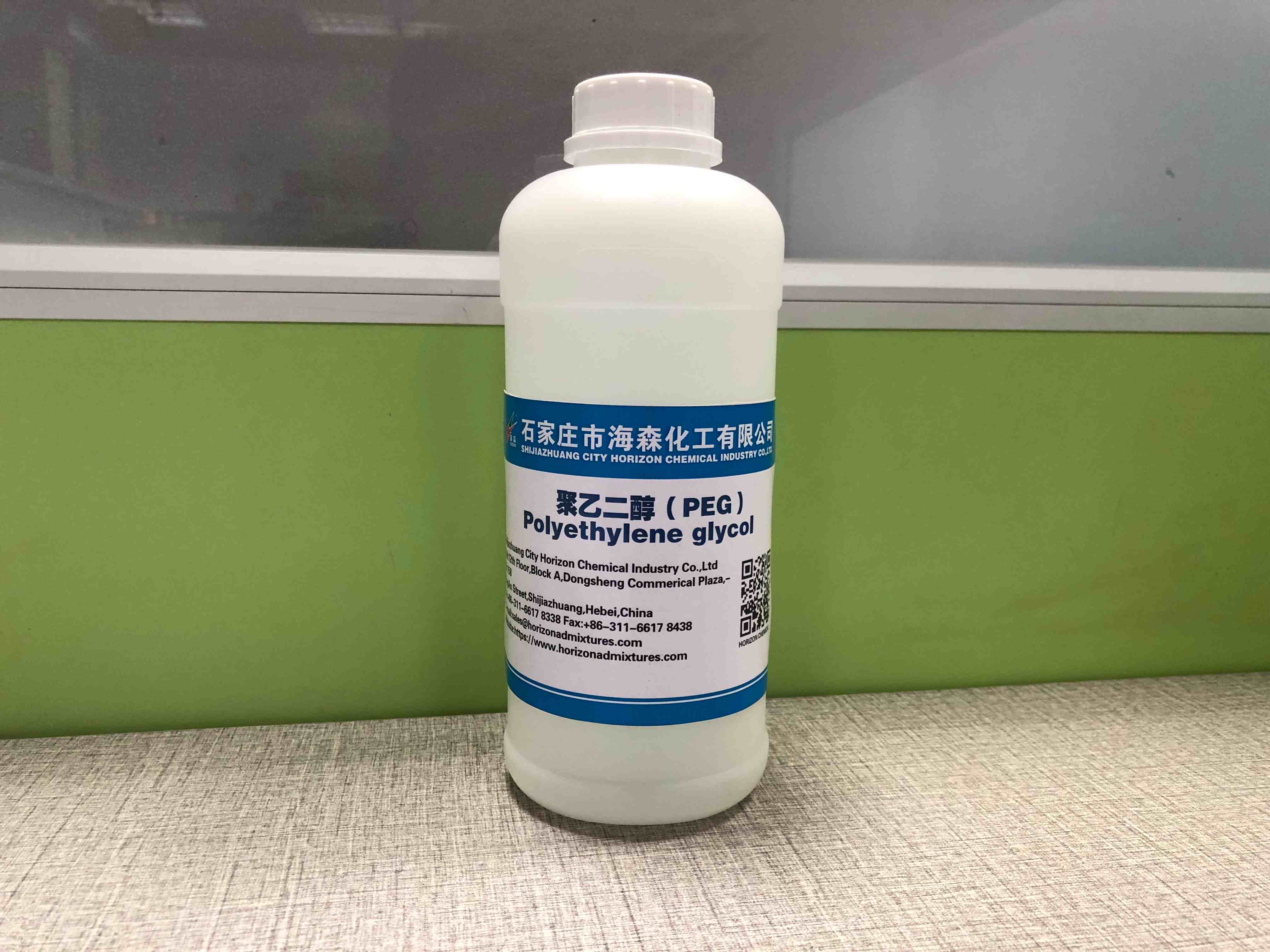
Polyethylene glycol, or PEG, has quietly woven itself into the fabric of modern medicine and personal care, though its name rarely graces the front of a package. In the realm of pharmaceuticals, PEGylation—the process of attaching PEG chains to therapeutic molecules—has revolutionized drug delivery. By cloaking proteins or nanoparticles in a hydrophilic shield, PEG extends their circulation time in the bloodstream, evading rapid clearance by the immune system. This stealthy enhancement means a weekly injection can replace daily doses, improving patient compliance and reducing side effects. From interferon therapies for hepatitis to cutting-edge mRNA vaccines, PEG acts as an invisible guardian, ensuring the medicine reaches its destination intact.
Step into any bathroom, and you'll likely find PEG in a different role—as the unsung backbone of countless creams, lotions, and ointments. Here, its talent lies in versatility: lower-molecular-weight PEGs dissolve readily in water, pulling moisture into the skin, while higher-weight variants form a protective, breathable film that locks hydration in place. It works tirelessly alongside other ingredients, solubilizing fragrances, stabilizing emulsions, and imparting that silky, non-greasy slip that consumers expect. Unlike heavier emollients, PEG helps formulas spread smoothly without leaving a sticky residue, making it a foundational choice in everything from lightweight day serums to thick therapeutic balms.
The journey from high-tech drug delivery to daily moisturizer might seem like a leap, but it's rooted in PEG's unique chemical nature. Its tunable chain length allows formulators to dial in properties—solubility, viscosity, melting point—with remarkable precision. This same molecular flexibility that shields a delicate biologic from the body's defenses also creates a comfortable, breathable barrier on the skin. As consumers increasingly seek products that feel light yet perform effectively, PEG continues to bridge the gap between clinical performance and sensory elegance. It's a silent enabler, proving that sometimes the most impactful ingredients are those you never notice at all.
Choosing the Right Molecular Weight: A Practical Guide
Selecting an appropriate molecular weight starts with understanding the role it plays in your material's mechanical and processing behavior. In polymer synthesis, a higher molecular weight often delivers superior tensile strength and toughness, but it can also make melt processing more challenging due to increased viscosity. The sweet spot lies where the end-use requirements—say, flexibility for film applications or rigidity for molded parts—intersect with what your equipment can handle without excessive degradation. Consider running a small-scale trial using a range of grades to map out how molecular weight shifts impact your specific output, from elongation at break to cycle time.
You don't need to be a rheology expert to make informed decisions. Simple comparative tests, like measuring melt flow index or solution viscosity, can tell you a lot about how different molecular weight samples will behave. For instance, if you're working with polyethylene for blow molding, a medium- to high-molecular-weight grade might give you the parison stability you need, whereas injection molding processes typically call for lower molecular weights to fill intricate cavities fast. Don't overlook the interplay with additives—plasticizers can artificially lower effective molecular weight, while crosslinkers can bond chains together, effectively boosting it. Early engagement with technical datasheets and supplier expertise can save months of trial and error.
Beyond performance, cost and availability often tip the scales. Ultra-high-molecular-weight variants may promise exceptional wear resistance or chemical stability, but they come at a premium and can be a nightmare to source consistently. Think about lifecycle value: a slightly less expensive grade that wears out twice as fast may end up costing more in downtime and replacements. Keep an eye on your supply chain’s flexibility, too. If your go-to resin becomes scarce, can you substitute a close molecular weight alternative without a full requalification? Documenting these trade-offs in a simple decision matrix, weighing factors like processability, mechanical needs, and cost, turns a daunting selection into a straightforward process.
Safe Handling and Common Misconceptions Cleared Up
When you handle a new gadget or piece of equipment, it's easy to fall into habits that feel right but actually wear things down faster than they should. One of the biggest mix-ups I see is people thinking that pressing harder or moving faster gets the job done better, when in reality it's the steady, deliberate movements that keep everything running smoothly. Taking a moment to position your hands correctly and apply even pressure can make a surprising difference in how long your tools last and how safe you stay in the process.
There's also a lot of confusion about cleaning and maintenance. People often reach for harsh chemicals or abrasive scrubbers thinking it’s the best way to keep things spotless. What that actually does is strip away protective layers and leave surfaces vulnerable to corrosion or cracking. A soft cloth and the right gentle cleaner do more to preserve the integrity of the material without any of the hidden damage. It’s one of those things where less is truly more, and spreading that knowledge can stop a lot of unnecessary wear and tear.
Another myth that keeps circulating is the idea that if something still works, it must be in perfect condition. Small irregularities like a faint click, a slight wobble, or a barely visible crack are often brushed aside as mere quirks. Those little signs are early warnings, telling you that a part is under stress and might fail when you least expect it. Paying attention to these subtle shifts and acting on them early keeps minor issues from escalating into genuine hazards.
Unexpected Places You’ll Find Polyethylene Glycol at Work
Walk through any office supply closet and you might stumble upon polyethylene glycol without realizing it. It’s a common ingredient in certain types of inks used for whiteboard markers and some printer cartridges, helping the pigments flow smoothly and resist drying out. Even the correction fluid you rely on to fix typos may contain PEG to keep the consistency just right, making it one of those quiet workhorses that rarely gets noticed.
Head to the restroom or break area, and PEG is likely playing a background role in hand sanitizers, liquid soaps, and even moisturizers stationed near the sink. Its moisture-retaining properties help keep skin from drying out after repeated washing, which is a boon if you’re in a healthcare setting or a kitchen where hygiene is paramount. In larger facilities, industrial cleaning solutions for floors and surfaces also lean on polyethylene glycol to dissolve grime without leaving streaks.
If your work intersects with pharmaceuticals or medical devices, you’ll encounter PEG in unexpected therapeutic roles—from the coating on pills that eases swallowing to the base of laxatives and eye drops. It’s even used as a lubricant in certain manufacturing processes, helping parts slide together during assembly without damaging delicate components. So next time you’re on the factory floor or in the lab, take a look at the fine print on those bottles and vials; polyethylene glycol might just be the unseen ally getting you through the day.
Green Chemistry and the Next Wave of PEG Innovations
The marriage of green chemistry principles with polyethylene glycol (PEG) technology is reshaping how we think about drug delivery and biomaterials. By moving away from harsh solvents and energy-intensive processes, researchers are now designing PEGylation strategies that are both milder and more efficient. Enzymatic coupling methods, for instance, allow site-specific attachment under aqueous conditions at neutral pH, drastically reducing waste and preserving the delicate structure of therapeutic proteins. This shift isn't just about environmental stewardship—it directly improves product purity and batch-to-batch consistency, critical factors for clinical translation.
Beyond cleaner synthesis, the next wave of PEG innovations focuses on smarter, more biodegradable architectures. Traditional linear PEG chains, while effective at prolonging circulation half-life, contribute to vacuolation and accumulation concerns with chronic dosing. Newer designs incorporate cleavable linkages or branched, self-immolative structures that undergo controlled degradation in response to specific biological triggers like acidic pH or enzymatic activity. These advances are opening the door to antibody-drug conjugates that release payloads only inside tumor cells, or highly customized hydrogels for tissue engineering that dissolve harmlessly once their job is done.
Perhaps most exciting is the growing emphasis on rethinking PEG from a lifecycle perspective. Innovators are exploring bio-sourced PEG alternatives derived from renewable feedstocks, combined with solvent-free purification techniques that slash the carbon footprint of manufacturing. Simultaneously, computational modeling and high-throughput screening accelerate the identification of non-fouling, immunologically silent polymers that match or surpass PEG’s performance. The result is a pipeline of next-generation stealth materials that not only make therapies safer for patients but also align with a broader commitment to sustainable pharmaceutical development.
FAQ
Polyethylene glycol (PEG) is a versatile polymer composed of repeating ethylene oxide units. The term 'professional' here denotes high-purity, well-characterized material suitable for demanding industrial, pharmaceutical, or research uses where consistency and low impurity profiles are critical.
Molecular weight dramatically affects PEG's physical properties. Low molecular weights (e.g., PEG 200-600) are viscous liquids, ideal as solvents or humectants; mid-range (1000-4000) are waxy solids used in ointments, while high molecular weights (6000+) are hard solids often employed as binders, coatings, or in controlled release.
PEG serves as a solubilizer for poorly water-soluble drugs, a base for suppositories and ointments, a plasticizer in tablet coatings, and a key component in laxatives. Its biocompatibility and ability to conjugate with proteins also make it valuable in biopharmaceuticals to extend half-life.
Beyond medicine, PEG is an anti-foaming agent in food processing, a mold release lubricant, a humectant in cosmetics like creams and toothpaste, and a phase-change material in thermal energy storage. It also appears in wood preservation and as a dispersant in paints.
Protect from moisture and excessive heat, as PEG is hygroscopic and can oxidize over time. Store in sealed, nitrogen-blanketed containers away from direct sunlight. Stainless steel or lined drums are preferred to avoid iron contamination, and 'professional' grades often demand controlled temperature environments to prevent viscosity shifts.
Key tests include molecular weight distribution via GPC, hydroxyl value for functionality, moisture content by Karl Fischer, pH, viscosity, and heavy metals analysis. For pharmaceutical use, endotoxin levels and bioburden are strictly monitored, with additional identity tests like IR spectroscopy.
Conclusion
Polyethylene glycol, or PEG, stands as a polymer of remarkable versatility, its backbone of repeating ethylene oxide units granting it a unique flexibility that underpins everything from advanced drug delivery systems to the creams on our bathroom shelves. The magic lies in its tunable molecular weight: low molecular weight PEGs act as solvents or humectants, while high molecular weight variants serve as thickeners, lubricants, or even bases for sustained-release pharmaceuticals. This adaptability stems from PEG's amphiphilic nature, which allows it to shuttle between aqueous and lipid environments, a trait exploited in targeted therapies where PEGylation shields therapeutic proteins from immune detection, extending their circulatory half-life. Meanwhile, in cosmetics, it quietly enhances texture and moisture retention.
Beyond these familiar roles, PEG appears in unexpected corners—as a phase-change material in thermal energy storage, a binder in ceramic processing, or a surfactant in industrial cleaning. Handling it safely, however, demands nuance: despite its benign reputation, certain grades can cause skin sensitization or, in rare cases, trigger allergic reactions; misconceptions about its toxicity often overlook the rigorous purity standards required for pharmaceutical use. Looking ahead, green chemistry initiatives are refining PEG synthesis through enzymatic routes and renewable feedstocks, while biodegradability research aims to address environmental concerns. These innovations promise a next wave where PEG's utility expands without compromising ecological integrity, proving that this polymer still holds untapped potential.
Contact Us
Contact Person: Sam Lee
Email: [email protected]
Tel/WhatsApp: 86-311-6617 8338
Website: https://www.horizonadmixtures.com/