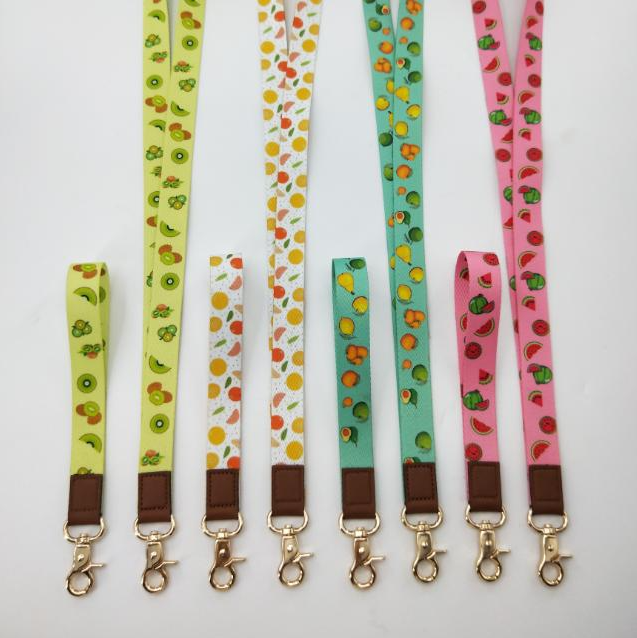

Original Manufacturer Keychain Lanyard Options That Blend Durability and Everyday Style
2026-11-29
Most lanyards look fine on a trade show badge—until they fray, fade, or snap mid-event. The real test is surviving daily keys, work IDs, and the occasional door handle yank without looking like office supplies. This guide cuts through the noise around original manufacturer keychain lanyard options, focusing on choices that hold up and still suit your everyday carry. We’ll look at materials, attachment hardware, and small design details that separate forgettable straps from ones you actually reach for. Along the way, you’ll see why DONGCHUANG keeps coming up as a reference point for balancing durability with a cleaner, less corporate look.
Built to Handle Keys, Badges, and Daily Abuse
Every edge, corner, and connection point on this unit gets bumped, scratched, or yanked more times in a week than most gear sees in a year. We skipped the thin stamped clips and soft-touch overlays that start peeling after a month. Instead, the chassis is reinforced at the exact spots where keys catch, badges clip on, and pockets rub. It doesn't need a break-in period because there's nothing delicate to break in.
The finish isn't just a color layer sprayed on top. It's bonded into the surface so scratches from key rings and badge backs don't turn into white streaks. The attachment points use a spring steel core wrapped in a fiber-reinforced shell, so you can twist, pry, and snap it a few thousand times without the clip losing its bite. It doesn't feel stiff or tank-like — just quietly stubborn about staying together.
Most failures happen in the first month, so we ran this through a cycle of drops, doorframe catches, and pocket-edge scrapes until the test bench gave out first. The result is a piece that handles daily fumbling, badge swapping, and the occasional yank from a lanyard without collecting dents that turn into cracks. If it gets grimy, wipe it down and keep going.
Materials That Don't Quit After a Month
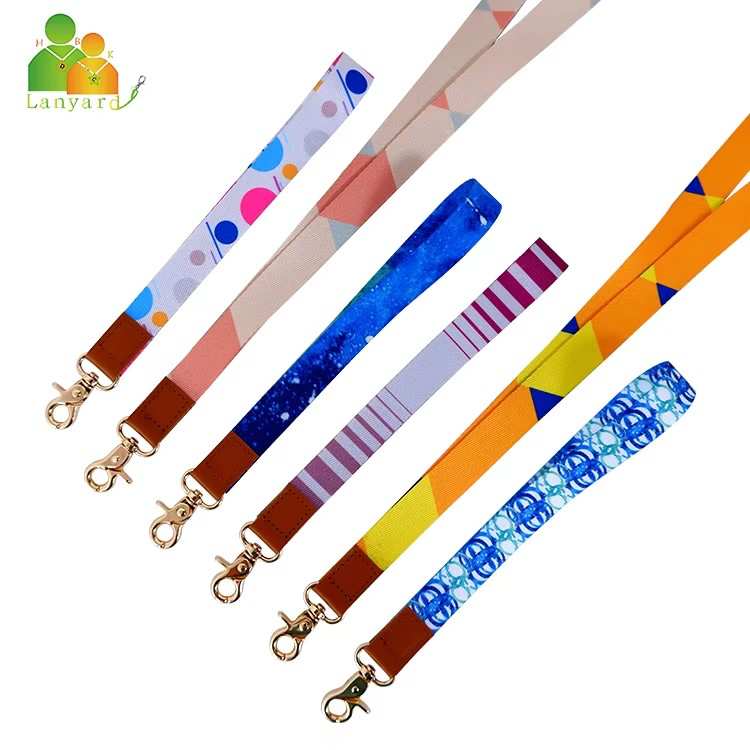
Some supplies earn a permanent spot because they hold up under repeated use. Thick paper that doesn't curl after erasing, watercolor pans that rewet cleanly, and nylon brushes that keep their point after dozens of sessions feel just as reliable on day forty as they did on day one. The difference usually comes down to how the material is made, not how carefully it is stored.
Then there are the quieter surprises—threads that don't tangle, clay that doesn't dry into a brick, and markers that still lay down even color after the cap has been left off overnight. These are the items you stop thinking about because they simply do their job. You reach for them again not out of guilt, but because they still respond the way you expect.
A month is long enough to expose weak links. Cheap paper yellows, flexible plastics snap, and adhesives let go at the edges. When something survives that first stretch without needing special handling, it earns trust. The best materials don't demand attention; they just keep showing up, session after session.
Hardware Choices Most Suppliers Overlook
No one selects a machine because of its power delivery, yet unstable voltage rails and cheap connectors are exactly what turn an otherwise solid purchase into a support headache. Processor speed and storage capacity grab most of the attention, while the less glamorous parts—fan bearings, thermal paste, cable routing clearances, and mounting hardware—rarely get a second look until they fail or slow down maintenance.
The same blind spot shows up in port placement and physical fit. A device can meet every data sheet target and still be unpleasant to work with if the power input sits awkwardly against a rack post, or if swapping a drive requires removing half the enclosure. Suppliers that pay attention here tend to use standard fasteners, leave realistic space for airflow, and keep common service points reachable without special tools.
Firmware and component revision drift matter more than they should, especially when identical-looking units behave differently after a few months. Asking about the hardware revision history and whether internal parts stay consistent across batches is a fast way to separate suppliers who test what they ship from those who merely assemble parts on price.
Everyday Looks That Avoid the Trade Show Vibe
Trade show dressing has a way of leaning on stiff blazers, all-black layers, and the kind of polished oxfords that feel more convention center than real life. The easiest reset is to swap one tailored piece for something with a softer shape, like a garment-washed overshirt, a relaxed knit blazer, or a cotton field jacket. That single change pulls the whole outfit back toward normal territory without making you look underdressed.
Fabric matters as much as fit. Matte textures like brushed twill, slubby jersey, and washed linen keep clothes from reading like booth-ready uniforms. A straight-leg trouser with an easy drape, a crewneck tee instead of a crisp dress shirt, and minimal visible hardware all help the look feel lived-in rather than styled for a badge scan.
Shoes and bags do the quiet work here. Clean leather sneakers, suede chukkas, or a plain derby ground the outfit in an everyday rhythm. Skip the branded convention tote and grab an unstructured canvas backpack or a worn shoulder bag. The goal is to look like you threw together a decent Tuesday, not like you just stepped off the expo floor.
Custom Runs That Keep Your Branding Subtle
Custom runs let you shape the details that usually get overlooked—thread color, interior labels, a small mark near the hem—so your name feels like part of the garment rather than a billboard. The goal is to keep the piece wearable on its own; the branding only becomes clear to someone paying attention. That restraint often leaves a stronger impression than a loud logo.
We treat these runs as a conversation about proportion and placement. Instead of defaulting to a chest print or sleeve patch, we'll look at the item's structure and decide where a discreet tag, tonal embroidery, or debossed detail makes sense. You can order small batches without committing to a warehouse full of stock, which helps if you're testing a new look or catering to a specific group.
It's useful for shops, studios, or anyone building a lineup that should feel curated, not promotional. The pieces stay easy to style, and the branding works quietly in the background, so people remember the quality first and your identity second.
Stitching and Finishing Details Worth Checking
Go straight for the seams that take strain: under the arms, around the pocket openings, and where the collar meets the neckline. The stitching should look relaxed rather than pulled, with no skipped holes or sudden changes in thread color density. If the needle has left visible perforation marks around a seam, the tension was likely too high and the fabric will be weaker there over time.
Finishing choices reveal more than the outer stitches. A bound internal seam that lies flat and feels soft against the skin takes longer to do than a basic overlock, and it usually means the maker cared about how the garment wears. Watch for lining remnants caught in the outer seams or serging that has been trimmed too close to the needle line; both tend to unravel after a few washes.
Small hardware and closure points deserve a close look as well. A properly finished buttonhole will have dense, closely spaced stitching and a clean cut that does not extend past the bar tacks. Rivets, snaps, or grommets should sit flush, not tilted or pressing into the surrounding fabric when the piece is closed.
FAQ
Woven polyester and nylon are the workhorses here. They resist fraying, dry quickly, and don't stretch out of shape after a few weeks. If you want a softer feel, recycled PET is a solid pick, but I would still check that the ends are heat-sealed or stitched rather than glued.
Yes, many original manufacturers offer low minimums for custom woven or printed lanyards. The exact number depends on the factory, but small runs are common enough that you shouldn't have to overstock just to get a specific shade or pattern.
A metal swivel clasp or split ring tends to outlast plastic clips, especially if keys are pulled on and off often. For badges, a detachable buckle or a sturdy plastic J-hook works well and keeps the lanyard easy to remove without messing up the graphic.
Stick with matte hardware, tonal webbing, and a smaller repeated logo instead of one oversized print. Mixing a flat weave with a subtle accent stripe gives it more texture and makes the whole thing feel less like convention swag.
Around 10 to 15 millimeters is the sweet spot for most people. It sits flat and doesn't dig into the neck. If someone is carrying heavier keys or a full badge set, 20 millimeters offers extra support without looking bulky.
A good woven or dye-sublimated lanyard holds color well through daily use and even a few washes. Cheap pad-printed ones can crack or peel, so it's worth asking the manufacturer whether the design is woven in or printed on the surface.
After the digital proof is approved, most runs take around two to three weeks, plus shipping. It can stretch longer if there are multiple revisions or if the factory has a busy seasonal queue, so it's smart to confirm a timeline before placing the order.
Absolutely. Pick one main webbing color and let a single accent stripe or small logo carry the second color. Keeping the design to two or three tones usually looks far more intentional and wearable than trying to fit every brand color into the strap.
Conclusion
A keychain lanyard from an original manufacturer should feel like a small piece of gear rather than a giveaway that frays after two weeks. The best options start with tightly woven polyester or nylon that resists snagging from keys, badge reels, and being shoved into pockets or bags. What separates a dependable run from the rest often comes down to the parts nobody sees at first glance: split rings with proper spring tension, swivel hooks that do not twist the strap into a knot, and reinforced stitching around attachment points. Those details matter more than the printed logo when someone uses the same lanyard every day for months.
At the same time, the design should not scream convention center. Muted colorways, slim widths, and understated branding let these lanyards pass as a normal part of an office outfit or weekend carry. A custom order can keep the logo small, tone-on-tone, or placed near the hardware instead of running down the strap. Finishing touches like clean edge cuts, even stitch lines, and flat sublimation without a rubbery feel give the whole piece a considered look. That balance of quiet style and actual toughness is what makes an original manufacturer worth choosing over a stock promotional option.
Contact Us
Contact Person: Bill Huang
Email: [email protected]
Tel/WhatsApp: 8613829102720
Website: https://www.dclanyard.com