

ODM Laundry Detergent Capsules Offer a Smarter Path to Private Label Success
2026-11-16
Private label laundry care is crowded with lookalike liquids and powders, yet most store brands still miss the format shoppers increasingly reach for: detergent capsules. ODM production changes that equation. Instead of fighting for shelf space with a me-too liquid, you can launch a capsule line engineered around your target price, fragrance profile, and performance claims—without owning a single piece of manufacturing equipment. LANJIEYA has spent years refining capsule formulations and filling technology, which means your brand can skip the trial-and-error phase and move straight to a shelf-ready product. The smarter path to private label success is not simply cheaper packaging; it is matching a proven delivery format with a manufacturing partner who understands compliance, stability, and speed. What follows breaks down how ODM capsules reduce lead time, protect margins, and give retailers a genuine reason to say yes.
What Buyers Notice Before They Read a Label
Most shoppers register the silhouette and color of a package long before any wording comes into focus. A squat matte black jar signals something different from a tall glossy bottle, and that split-second read often happens from several feet away while the buyer is still scanning the shelf. If the shape feels familiar or the palette matches the surrounding category, the product earns a closer look; if it feels off, the label never gets a chance.
Texture and material also do quiet work at this stage. A soft-touch box, a textured paper wrap, or the subtle weight of a glass container can make a product feel more considered before a single claim is read. Buyers may not consciously notice these details, but they shape the impression that the item is worth picking up, turning the label into something to confirm rather than introduce.
Context matters just as much. A buyer standing in a crowded aisle is not reading ingredients or benefits first; they are noticing how one option stands out against its neighbors. Unexpected negative space, a restrained color choice, or a design that breaks the expected visual rhythm can pause someone long enough to turn the package over and actually start reading.
The Margin Story Powders Rarely Tell
A loose setting powder that retails for forty dollars often leaves the contract manufacturer at less than a dollar a unit. The real cost is rarely the mica, silica, or talc in the jar; it is the story wrapped around them. Brands pay for a texture that feels expensive, a shade range that photographs well, and packaging that clicks shut with just enough weight, because those sensory cues justify a markup that would be hard to defend on an ingredient list alone.
That markup gets even stranger with functional powders like electrolytes or collagen. Raw material prices fluctuate, but the gap between bulk cost and shelf price stays remarkably wide. What customers are actually paying for is certainty: a promise of purity, a clinical-sounding study footnote, a scoop that never clumps. The powder becomes a delivery system for reassurance more than for the active ingredient printed on the label.
Margins also live in the unglamorous details. Filling, sifting, and stabilizing a powder at scale is cheap once the line is running; the expensive part is convincing someone to try a new jar. That is why so many brands quietly move budget from formulation to sampling, influencer kits, and refillable packaging. The powder itself was never the hard part. Getting it into someone’s hand was.
Custom Formulations Without the Custom Price Tag
For a long time, a custom formula meant paying a premium before the first batch was even mixed. That assumption is losing ground as smaller production runs, modular base systems, and in-house compounding make it possible to adjust texture, potency, or scent without financing an entirely bespoke development cycle. The work now sits in a practical middle ground: the recipe fits the need, and the price stays within reason.
A lot of this comes down to how modern labs structure their starting points. Instead of building from zero, formulators begin with stable base blends that have already passed safety and stability testing. From there, actives, sensory ingredients, and preservative adjustments are layered in. Because the foundation is already in place, the conversation turns quickly to what you want to change rather than how far the budget will stretch.
That shift changes the options for brands and buyers alike. A smaller label can offer a fragrance-free version, switch to a plant-based thickener, or increase the concentration of a key ingredient without committing to an enormous run of something unproven. Customers get a product that feels tailored to them, while brands avoid paying custom rates for what is really a thoughtful variation on a proven core.
A Capsule Format That Sells Itself on Sight
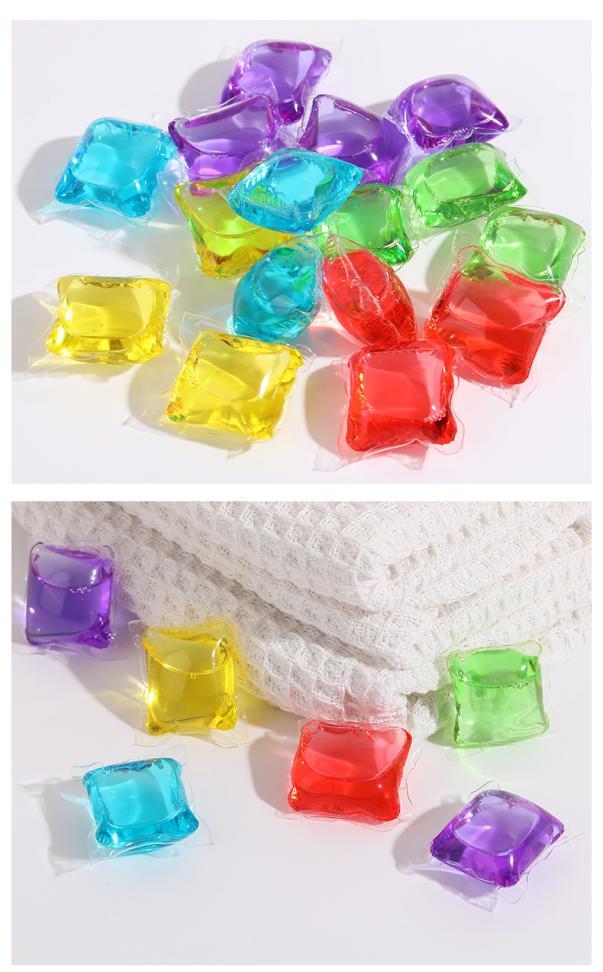
The moment someone sees this capsule format, the shape does a quiet sales pitch. There is no need for a long explanation because the compact silhouette already signals ease, order, and intention. It reads as a small ritual rather than another item on the shelf.
That instant clarity comes from restraint. Every element is pared back to what the eye needs first, so the format feels self-explanatory. The visual weight sits in the right place, the proportions feel composed, and the closing mechanism or seal invites touch before a single word is said.
What makes it persuasive is that it never tries to argue. The design simply looks finished, clean, and ready to use, which gives it the kind of shelf presence that turns a passing glance into a pickup.
Smoother Production Runs From Day One
New equipment often carries a hidden tax: the first weeks of fighting through undocumented quirks, inconsistent outputs, and operators second-guessing every setting. This platform removes that familiar startup friction by turning initial runs into a learning loop rather than a trial-and-error marathon. Machine behavior, material variance, and timing anomalies surface in plain view before they become line-stopping surprises, so the team can react to what actually matters instead of guessing at what might.
From the very first shift, the system quietly validates that each step matches the intended parameters, flagging drift early enough for a small correction instead of a full reset. That means fewer scrapped batches, less idle time while someone pages an engineer, and a calmer handoff between crews who no longer have to pass along tribal knowledge on sticky notes. The result is a production line that settles into a steady rhythm without the usual weeks of noise.
What makes the difference is not more dashboards or stricter checklists. It is the way the system preserves the context of every adjustment: why a temperature was nudged, what happened to cycle time as a result, and whether that change held up in the next run. That accumulated, plant-specific memory turns early experience into a reusable baseline, so day one does not feel like a gamble and day thirty does not look back on a pile of avoidable losses.
Why Repeat Orders Start in the Laundry Room
A customer rarely decides to come back at the checkout page. The decision happens later, standing over a drying rack or folding warm clothes. If a t-shirt keeps its collar flat and a pair of trousers does not shrink at the seams, that small relief becomes the reason they buy again.
The laundry room is an unsparing test because water, heat, and agitation reveal what product photography cannot. A label may promise durability, but the first wash shows whether the stitching holds, the color stays put, and the fabric keeps its hand. When those details survive, trust forms without a single marketing message.
Repeat orders grow from accumulated laundry days, not from discount codes alone. A bath towel that stays soft after ten cycles or a hoodie that does not pill near the cuffs earns quiet loyalty. That loyalty is hard to describe and even harder to advertise, yet it is exactly what turns a first purchase into a routine.
FAQ
They let you skip the long development cycle and still offer a finished product with your own packaging. You can choose an existing capsule base, adjust the fragrance and color, and launch within weeks instead of spending months on formulation tests.
More than most people assume. Fragrance strength, capsule film color, box size, and even the number of capsules per pack can usually be adjusted. Some suppliers also allow tweaks to the detergent formula so the product feels less generic.
Ask for stability test reports, samples under your own brand mock-up, and details about the film dissolving temperature. Also confirm whether the factory can handle the packaging type you want, such as child-resistant pouches or fully recyclable cartons.
Many factories now offer variants like color-safe, sport, delicate, or plant-derived formulas. The base product may be shared, but the scent, dosing, packaging, and marketing story can still create a distinct shelf presence.
ODM spreads formulation and tooling costs across multiple buyers, so the upfront investment is lower. You still need to cover packaging plates, sample shipping, and possibly a small minimum order, but the total cost to test the market is usually much more manageable.
Assuming every supplier uses the same film or solvent profile is a big one. Some films dissolve poorly in cold water or leave residue. Another issue is fragrance consistency across batches. Always request a pilot batch before the full production run.
Yes, but you often have to ask directly. Some offer bio-based films, plastic-free boxes, or concentrated formulas that use less water. Be clear about which claims you want to make, because not every supplier can provide the documentation to back them up.
If the formula is already developed, sampling can take one to two weeks. Packaging design and plate approval might add two to four weeks. Production and shipping then depend on quantity and location, but many first orders land within 60 to 90 days.
Conclusion
A buyer scanning a crowded shelf rarely reaches for a product that looks like everything else. ODM laundry detergent capsules change that first impression before a single claim is read. The compact, uniform pods read as modern and deliberate, which gives private label lines a visual edge without shouting. Beneath that shelf appeal is a quieter advantage: the margin structure. Powders often force brands into heavy, low-ticket territory, while capsules support tighter packaging, reduced shipping weight, and a premium perception that holds price. It is the kind of arithmetic buyers feel even when they cannot see the invoice.
Customization is where many private label conversations stall, but ODM capsules allow formulation tweaks—scent, color, concentration, enzyme profile—without the tooling costs that usually accompany custom manufacturing. Production stays stable because capsule lines are built for repeatability; fewer dust issues, simpler filling, less downtime. The real payoff, however, happens after the first wash. A capsule that dissolves cleanly, leaves no residue, and handles everyday stains gives consumers a reason to come back. That repeat behavior, not the initial trial, is what builds a private label brand. The format does much of the selling on shelf, but the product itself does the convincing at home.
Contact Us
Contact Person: Zhao Yanlong
Email: [email protected]
Tel/WhatsApp: 8615832007309
Website: https://www.gzlanjieya.com