

Maize Grinding Machine Plant: Key Benefits and Setup Guide
2026-11-16
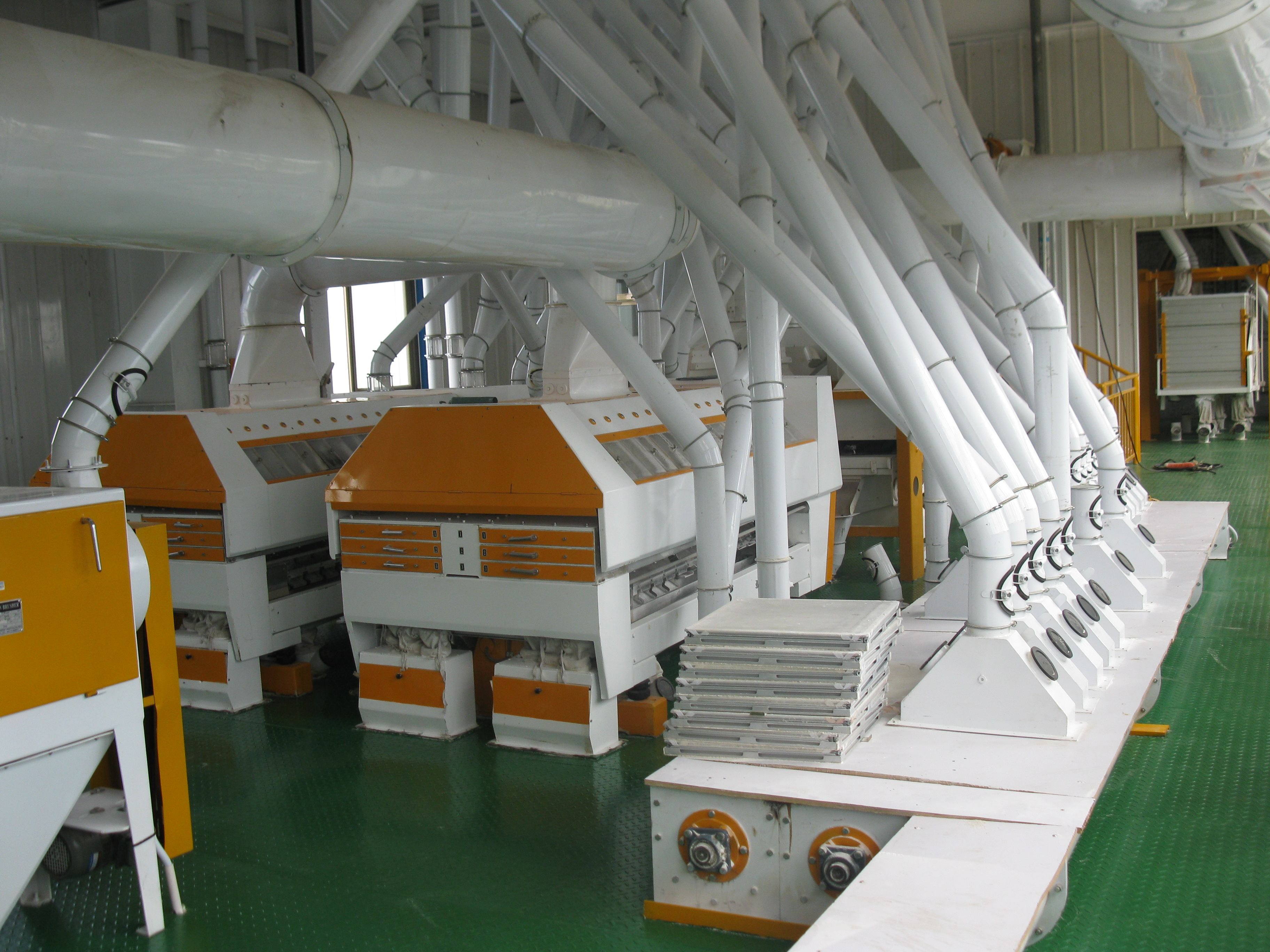
Setting up a maize grinding machine plant is more than just choosing the right equipment—it’s about building a reliable, efficient production line that can grow with your business. Whether you’re expanding into maize flour production or starting from scratch, you’ll quickly face critical decisions about layout, capacity, and long-term profitability. What often gets overlooked is how the engineering behind the machinery directly shapes your daily output and maintenance costs. That’s where working with a focused manufacturer like PINGLE makes a practical difference. In this guide, we’ll walk through the core benefits of a well-designed maize grinding plant and the key steps to get your operation up and running smoothly—without the trial and error that eats into your margins.
What Makes Maize Milling Automation a Smart Cost-Cutting Move
Running a maize mill without automation often means accepting small losses that quietly stack up over time. Manual weighing and blending errors, inconsistent moisture control, and fluctuating sifter loads might each seem minor on their own, but across thousands of tonnes they carve deeply into margins. Automation plugs those slow leaks by keeping process parameters within tight bands, shift after shift, without the variability that even attentive operators introduce. Less giveaway on every bag, fewer quality rejections, and minimal grain breakage translate directly to retained revenue that never needs to be earned twice.
The real financial shift happens when you stop treating labor as a fixed cost. Automated lines don’t just replace hands at the packing station—they rethink how people are deployed. Skilled staff move from repetitive sorting or manual documentation into oversight, planned maintenance, and quality optimization roles where their time recovers more value. The floor headcount can drop without sacrificing output, and the remaining team spends fewer hours correcting preventable stoppages. Over a full financial year, the savings on overtime, training churn, and injury-related downtime often surpass the initial automation outlay.
Beyond direct cuts, there’s a compounding benefit that doesn’t appear on a quick budget sheet: energy demand synchronises with actual throughput. Older mills frequently run auxiliary motors and pneumatic systems at full speed regardless of the load on the main roller stands. Automated drives and smart sensors ramp equipment down during partial-capacity periods, which is when margins are thinnest. Utility bills shrink in step with production gaps, and peak-demand penalties become easier to duck. It’s a layer of cost control that manual coordination almost never achieves—because it reacts in seconds, not after a shift report lands on a desk.
Setting Up Your Plant Without the Usual Headaches
Getting your hands dirty with a new plant should be exciting, not a chore that leaves you baffled and frustrated. The trick isn't buying the most expensive soil or the fanciest pot—it's understanding what that particular green friend actually craves before you even take it out of the nursery sleeve. A quick peek at the roots can save you weeks of guesswork: if they're circling the bottom like a tangled slinky, give them a gentle tease so they spread into fresh soil instead of choking themselves.
Light is where most well-intentioned plant parents stumble. That spot by the window might look bright to you, but your plant speaks a different language. Instead of sticking to a rigid “bright indirect light” label from the tag, watch how the sun moves through your space across a full day. A spot that's flooded at 10 a.m. might be a dim cave by 2 p.m. Pair that with a pot that has real drainage—not just a layer of rocks at the bottom, which is basically a myth—and you've already dodged the number one headache that sends plants to an early grave.
Watering shouldn't follow a calendar; it should follow your finger. Stick it an inch or two into the soil. If it comes out dark and damp, step away from the watering can. Most indoor plants breathe through their roots as much as their leaves, and soggy soil suffocates them faster than a missed drink ever will. Humidity can be your secret weapon, too. A simple tray of pebbles with water underneath the pot works wonders without turning your living room into a steam room. Once you stop fighting the plant's natural rhythm and start working with it, the whole process becomes less about maintenance and more about watching something thrive on your terms.
Power Efficiency Tricks Most Setup Guides Skip
Most setup guides treat power efficiency like a factory setting—immutable, uninteresting. They ignore the quiet drain of keep-alive bloat and default sleep timers that never quite sleep. A display set to full brightness with a thirty-minute timeout burns more battery in a week than a few hours of active use. Dialing auto-lock down to two minutes and killing wake-on-notification for non-critical apps can stretch standby time into days you didn’t know you had. It sounds trivial, but small nudges here compound faster than any deep-cycle optimization.
Another blind spot: peripherals that sip power while the device supposedly rests. That always-on USB port still feeding a backlit keyboard, the Bluetooth radio hunting for earbuds locked in a drawer downstairs, the Wi-Fi module pinging networks that aren’t there—each one a tiny debt paid hourly from your battery. Powering down unused ports and toggling radios off when they’re not needed isn’t just a travel hack; it’s a permanent 5-10% uplift that most guides never mention because they’re too busy quoting manufacturer figures for “screen-on time.”
Then there’s the software underbelly—background refresh, automatic downloads, cloud sync that churns every fifteen minutes when once an hour would do. The real trick is treating power as a budget: audit what actually needs push, freeze the rest, and let the OS manage what’s left. Deny location access to apps that have no business knowing where you are while your phone sits in your pocket. These are not hacks; they’re intentional defaults that claw back control from an ecosystem optimized for engagement, not endurance.
Choosing the Right Grinding Mechanism for Different Corn Products
The choice of grinding mechanism has a direct impact on texture, flavor, and overall performance of corn-based foods. For masa and tortilla production, stone grinding remains the traditional gold standard. The slow, cool friction of volcanic stones preserves the natural oils in corn, releasing a toasty, slightly sweet aroma that metal blades can easily strip away. This method produces a pliable, smooth dough with just the right amount of grittiness—something roller mills often struggle to replicate without overheating the grain.
When it comes to coarse grits or polenta, burr mills with adjustable steel or ceramic plates offer much-needed control. They can crack corn into uniform, angular pieces instead of pulverizing it into a dusty powder. Getting the particle size distribution right is critical for achieving that creamy-yet-spoon-holding texture, and it’s why many small-scale millers prefer a slower feed rate combined with a wider burr gap. It’s a balance between efficiency and the gentle touch that keeps starch granules intact during cooking.
High-speed impact grinders bring speed and fine flour consistency to the table, which suits industrial cornbread mixes, batter flours, or ethanol production. The trade-off is heat buildup and a noticeable loss of volatile aromatics, so this route works best when the final product will be heavily seasoned or blended with other ingredients. For anyone trying to bridge the gap between artisan quality and larger batches, a two-step process—cracking the corn with a roller mill first, then finishing on a stone mill—often yields a flour that retains character while meeting production demands.
Turning Raw Corn into Market-Ready Flour: A Throughput Breakdown
Every sack of corn arriving at the mill carries its own story of soil and season, but what turns it into a reliable commercial product is how fast and cleanly you can push it through each processing stage. The real bottleneck often hides in the first steps: cleaning and conditioning. Grain riddled with stones, husks, or uneven moisture will slow down grinding, wear out rollers, and eat into margins long before the flour reaches a bag. By tracking how many tons per hour clear the aspirator and magnetic separator, you can spot whether upstream harvest practices or storage conditions are dragging on your capacity.
Once the corn is conditioned, the throughput numbers start revealing the mill's actual personality. A degerminator that spits out 4 tons per hour on paper might only deliver 3.2 when the grain is slightly drier than ideal. Roller mills, sifters, and purifiers need to be looked at not as isolated machines but as a chain that moves in lockstep. A high-capacity plan sifter downstream cannot compensate for a roller mill gap set too tight, turning a smooth flow into a pulsing, stop-start rhythm. The trick is to map those interconnections in real time, adjusting gap distances or screen meshes while observing how the sifter’s tailings fraction trends upward – a sign that something upstream has fallen out of tune.
Ultimately, a throughput breakdown done right tells you where the product pile-up happens and why your finished flour yield per ton of raw corn keeps drifting from the target. Instead of chasing a single machine’s rated capacity, shift attention to the cascade effect: moisture loss in conditioning, break release in the roller stands, and extraction rates in the purifiers all feed into the final number on the packing floor. When you can trace a 2% drop in overall throughput back to a worn scourer blade rather than a systemic failure, you move from guessing to managing – and that’s where consistently market-ready flour begins.
Hidden Quality Controls That Slash Customer Complaints
Hidden Quality Controls That Slash Customer ComplaintsFAQ
Steady demand from both households and commercial buyers keeps operations running year-round. The relatively low startup complexity also means you can break even faster compared to many other agro-processing ventures.
Prioritize areas close to maize-growing regions to reduce transport costs. You also need reliable electricity, good road access, and enough distance from residential zones to manage dust and noise without complaints.
A destoner, a grain cleaner, a hammer mill or roller mill, a sifter, a packaging scale, and a control panel form the basic lineup. Optional additions like a mixer or a bagging conveyor depend on your target output and product variety.
You'll usually need a business registration certificate, an environmental clearance, and approval from local health or food safety authorities. Requirements vary by region, so checking with your local industrial office early saves delays.
From ordering machinery to trial runs, plan for eight to sixteen weeks. This includes site preparation, equipment installation, testing, and staff training. Custom-built mills or remote locations may extend the timeline.
Look beyond price—evaluate after-sales support, availability of spare parts, and whether they offer operator training. A supplier with a proven track record in your region can prevent costly downtime later.
Grease bearings, check belt tension, and clean sieves and filters at the end of each shift. Keeping a simple maintenance log helps spot wear patterns before they cause breakdowns.
Starting with maize builds a strong customer base. Once you have consistent throughput, adding wheat, millet, or sorghum can boost margins and reduce idle time during seasonal dips in maize supply.
Conclusion
Setting up a maize grinding machine plant is not just about buying equipment—it’s about building a system that cuts costs from day one while delivering consistent flour quality. The real game-changer lies in automation, where smart sensors and programmable controls take over repetitive tasks, slashing labor expenses and almost eliminating human error. Instead of wrestling with complicated installation blueprints, a modular setup lets you phase in machinery as your market grows, turning what used to be a chaotic launch into a predictable, step-by-step process. Meanwhile, most guides ignore simple power-saving tricks—like matching motor sizes exactly to your load and using soft starters to dodge peak-demand charges—that can shrink energy bills well before you’re running at full capacity.
The choice of grinding mechanism is what ultimately decides whether you’re making fluffy breakfast porridge or fine bakery flour, so matching plate mills, hammer mills, or roller mills to your target product keeps customers coming back. A throughput breakdown shows exactly how raw corn moves from the intake pit through cleaning, conditioning, degermination, and sifting—revealing that bottlenecks usually hide in the sifting stage rather than the grinding itself. What really stops complaints, though, are hidden quality controls that most plants overlook: real-time moisture monitoring after conditioning, automatic magnet traps at multiple transfer points, and a simple daily ash-content check that catches cross-contamination before a single bag leaves the plant. Together, these moves transform a basic flour mill into a reliable profit engine that runs with fewer headaches and happier buyers.
Contact Us
Contact Person: Jiakuo Wu
Email: [email protected]
Tel/WhatsApp: +86-13011566087
Website: https://www.pinglemachine.com