

Leading Chemical Packaging & Logistics Exhibition: Where Innovation Meets Industry
2026-05-11
Step into the world of ICIF, where the future of chemical packaging and logistics takes center stage. As the industry’s premier event, ICIF brings together breakthrough innovations, sharp minds, and real-world solutions—all under one roof. Whether you’re looking to streamline supply chains, adopt sustainable materials, or connect with pioneers shaping the sector, this is where ideas find their momentum. In this blog, we’ll explore the highlights that make ICIF an unmissable destination for anyone serious about staying ahead.
Packaging Breakthroughs Redefining Chemical Logistics
The chemical logistics sector is witnessing a quiet revolution, driven by packaging innovations that prioritize both safety and sustainability. Advanced composite materials are replacing traditional steel drums and IBCs, offering superior resistance to corrosion and impact while slashing tare weight. These materials not only reduce transportation costs but also minimize the risk of leaks during transit, a critical factor when handling hazardous substances. The shift towards flexible, high-barrier liners inside rigid containers is another leap forward, extending shelf life and enabling reuse without compromising purity.
Smart packaging technologies are weaving a layer of intelligence into chemical supply chains. Embedded sensors now monitor temperature, pressure, and tilt in real time, instantly alerting logistics teams to deviations that could compromise product integrity. Coupled with data-logging capabilities, this connectivity allows for complete lifecycle tracking, helping companies pinpoint inefficiencies and prevent costly spoilage. The integration of active status indicators on drums and totes simplifies handling instructions, ensuring that workers intuitively follow safety protocols even in fast-paced environments.
Beyond physical protection, the new wave of packaging is also tackling the industry’s environmental footprint head-on. Self-draining, collapsible containers made from recycled or biobased polymers dramatically cut waste and return-trip fuel consumption. Closed-loop systems with standardized, reusable designs are gaining traction, especially in contract logistics, where they align with circular economy goals. These breakthroughs are not only redefining how chemicals are shipped but also reshaping procurement criteria, as manufacturers increasingly view packaging as a strategic asset rather than a disposable afterthought.
Where Industry Leaders Converge to Shape the Future
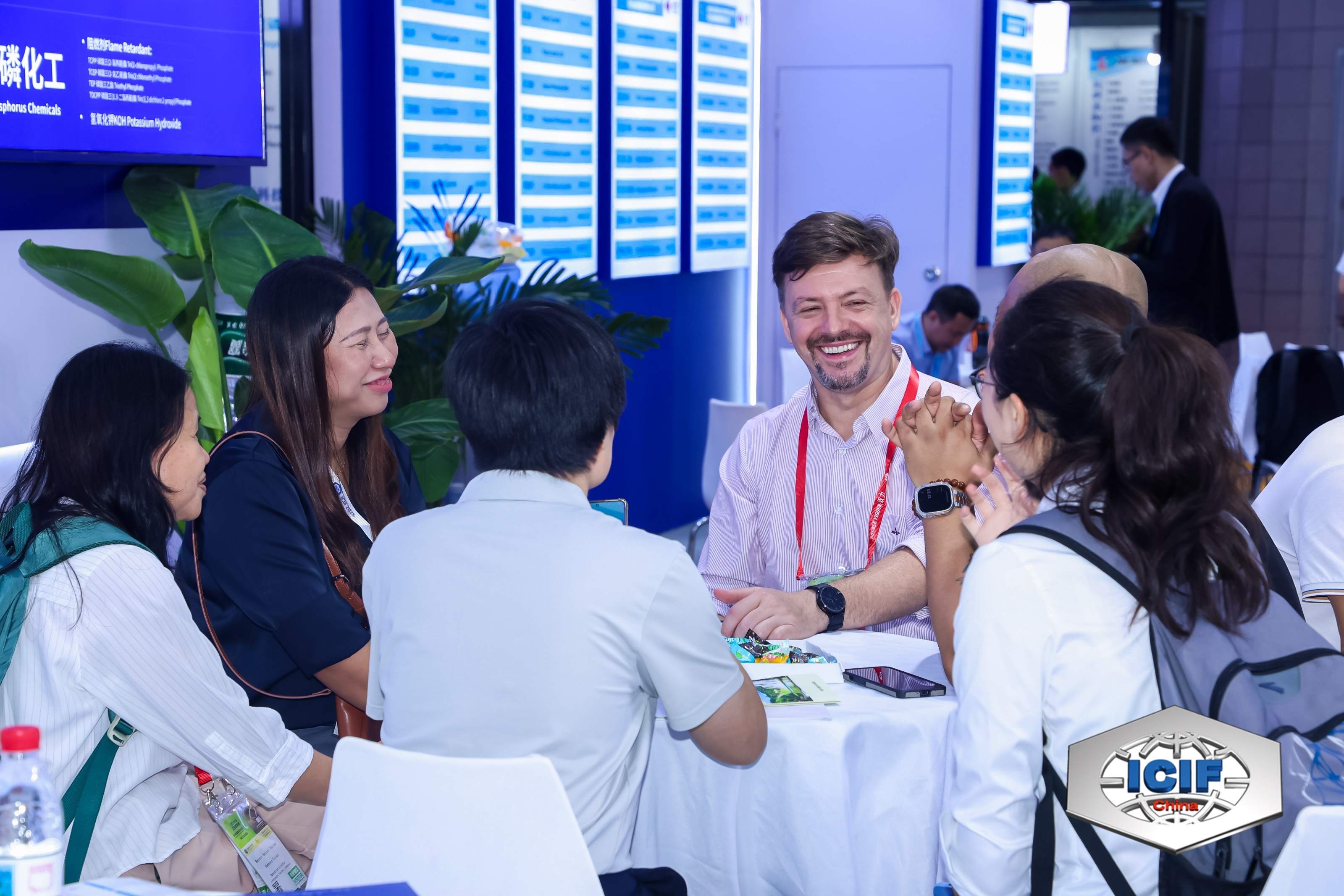
This is not just another gathering of executives exchanging business cards over lukewarm coffee. It’s a working summit where the people actually building tomorrow’s infrastructure—from quantum computing pioneers to sustainable energy architects—sit shoulder to shoulder with the policymakers and investors who can turn blueprints into reality. The conversations here skip the pleasantries and go straight to the hard questions: How do we decarbonize heavy industry without derailing economic growth? Can we govern AI before it governs us? The answers aren’t theoretical; they’re forged in real-time debate among those who will carry them out.
What sets this convergence apart is its deliberate rejection of the traditional conference hierarchy. There is no velvet rope separating the ‘visionaries’ from the ‘implementers.’ A Nobel laureate might find herself in a heated workshop with a startup founder half her age, solving for supply-chain resilience. A central bank governor could be sketching out a digital currency framework on a napkin with a fintech rebel. The space is designed for collisions—unscripted moments where a casual breakfast chat uncovers a partnership that reshapes an entire sector. That’s where the future gets its draft lines.
The true measure of this event isn’t captured in white papers or keynote videos; it’s in the quiet decisions made months later when a regulatory sandbox is launched, a moonshot project gets funded, or a cross-border coalition quietly begins to harmonize standards that will affect billions. Leaders leave not just with business cards, but with a shared shorthand, a common architecture of trust, and the unsettling yet exhilarating awareness that the future isn’t something they predict—it’s something they’ve just built the foundation for.
Beyond the Container: Next-Gen Safety & Sustainability
Modern logistics demands more than just a sturdy box. We're reimagining the shipping container as a proactive participant in the supply chain, embedding smart technologies that monitor structural integrity, detect hazardous leaks, and even predict maintenance needs before they become risks. This isn't about incremental improvements—it's a fundamental shift toward containers that actively protect their cargo and the people handling them.
Sustainability isn't a label we slap on at the end. Our next-gen units are built from advanced composite materials that slash weight without compromising strength, directly cutting fuel consumption and emissions. We've also closed the loop on production waste, turning scrap into new panels and insulation. Each container becomes a sealed ecosystem, optimized for temperature stability and energy efficiency, whether it's crossing oceans or sitting in a warehouse.
Real change happens when safety and environmental goals stop competing. By designing containers that last longer, repair easier, and fully recycle at end-of-life, we're breaking the cycle of disposable logistics. The container isn't just a vessel anymore—it's a building block for a circular economy, where every trip leaves a smaller mark on the planet and a larger dent in inefficiency.
Smart Solutions for Complex Supply Chains
Modern supply chains are less like straightforward conveyor belts and more like living organisms, constantly shifting in response to global disruptions, demand spikes, and logistical bottlenecks. When a single delayed shipment in one region can trigger stockouts three continents away, traditional planning methods simply buckle under the pressure. Smart solutions step into this chaos not as rigid algorithms but as adaptive systems that digest real-time data—weather patterns, port congestion, even social sentiment—and recommend moves that feel almost intuitive. They don’t just tell you what went wrong; they help you sidestep the next landmine before it’s visible on anyone’s radar.
What sets truly intelligent tools apart is their ability to learn the unique rhythms of your operations rather than forcing a generic playbook. For a manufacturer juggling 400 SKUs with inconsistent lead times, for instance, an AI-driven platform might pinpoint that swapping two suppliers during monsoon season reduces variance by 37%—a tweak no spreadsheet would unearth. Meanwhile, digital twins let you stress-test fragile links without betting real inventory, turning risk from an abstract worry into a manageable parameter. The result isn’t just efficiency gains on paper; it’s the quiet confidence that your supply chain bends but rarely breaks, even when the world outside seems determined to test it.
From Lab to Loading Dock: Innovation in Action
Turning a laboratory breakthrough into a warehouse-ready solution demands more than just a clever prototype. It requires the grit to translate controlled experiments into chaotic real-world environments. Our process bridges that gap by embedding engineers directly onto the loading dock floor, where forklifts hum and deadlines loom. We don't just test for optimal conditions; we stress-test for the unpredictable, ensuring every innovation survives the dust, the rush, and the sheer relentlessness of daily logistics.
What sets us apart is how we measure success. Instead of chasing theoretical gains, we track the moment a new tool reduces pallet-stacking time or eliminates a repetitive strain complaint. Those small, tangible victories compound into transformed operations. By keeping the feedback loop tight—sometimes just hours between a dockworker's suggestion and an engineering tweak—we build trust and tools that feel intuitive, not imposed. The result is technology that fits smoothly into existing workflows, not one that demands a painful overhaul.
Innovation here isn't a shiny one-time event; it's a continuous rhythm. Every pallet moved, every truck loaded becomes a chance to learn and refine. We celebrate the quiet upgrades that make a shift safer or a process smarter, because true progress lives in those unglamorous details. From the lab's whiteboard sketches to the loading dock's final handshake, we're proving that the best ideas don't just shine in theory—they pull their weight in the real world.
The Trade Show That Turns Ideas into Industry Standards
At this annual gathering, the air hums with more than just business chatter—it’s where raw concepts get pressure-tested by the people who actually build and buy. A casual conversation over coffee can spark a revision to a safety protocol, and by the following year, that tweak is baked into manufacturing lines across three continents. It’s not about flashy keynotes; it’s the off-script moments that rewrite the rulebooks.
Walk through the demo zones and you’ll see prototypes that won’t hit shelves for eighteen months, yet the feedback collected here shapes their final form. Engineers huddle with suppliers, scribbling on napkins, and those scribbles evolve into voluntary standards that entire sectors adopt. The show’s legacy isn’t measured in deals closed, but in the quiet consensus that emerges—the kind that turns a niche innovation into tomorrow’s baseline.
What makes it work is the density of cross-pollination. A packaging executive might solve a logistics headache after watching a robotics demo intended for the automotive crowd. These unexpected collisions have birthed some of the most enduring specifications in the industry, often without anyone realizing they were making history at the time.
FAQ
It uniquely combines packaging and logistics under one roof, focusing on practical solutions rather than just theoretical concepts. You'll see real-world applications that can directly impact your supply chain efficiency.
Professionals from chemical manufacturers, distributors, packaging engineers, logistics managers, and safety officers will find enormous value. Even if you're in procurement or sustainability roles, there's plenty to take away.
Through live demonstrations of smart containers, eco-friendly materials, and automated handling systems. The exhibition floor is designed as a working showcase, not just static booths.
Besides structured matchmaking sessions, there are casual coffee lounges and evening receptions where you can connect with peers in a relaxed setting. Many deals start over a cup of coffee here.
Absolutely. There are hands-on workshops on spill containment, hazardous material handling, and the latest tamper-evident technologies. You can test equipment and get instant feedback from experts.
The sessions dive into regulatory changes, circular economy strategies, digital tracking systems, and risk mitigation. Expect case studies from top chemical firms sharing their logistical transformations.
You can reach out via the official website's exhibitor portal, choose from various booth packages, and even propose custom sponsorship opportunities that align with your branding goals. Early-bird discounts are often available.
It's scheduled for March 12-14, 2026, at the Messe Frankfurt in Germany. Details on registration and travel are on the event's website.
Conclusion
The chemical packaging and logistics sector is undergoing a transformation, driven by new materials, digital tools, and a collective push toward safer, greener practices. At this premier exhibition, visitors step into a dynamic environment where packaging breakthroughs are not just on display—they are actively redefining how chemicals move from plant to point of use. Engineers, supply chain directors, and R&D specialists gather here because it’s the one place where forward-looking conversations turn into practical roadmaps. The event amplifies a movement that extends far beyond the container, with sessions and demonstrations that delve into next-generation safety protocols and circular economy models. Sustainability is woven into every exhibit, from lightweight composite drums to IoT-enabled tracking that cuts waste and emissions. It’s a gathering that truly lives up to its reputation as a catalyst for industry-wide progress, where competing companies share insights that lift the entire value chain.
Smart solutions for complex supply chains take center stage, with hands-on showcases that connect laboratory concepts to the realities of the loading dock. Whether it’s a new barrier film that prevents leaks during transloading or a cloud-based platform that synchronizes inventory across continents, the exhibition proves that innovation in action is the only metric that matters. Attendees leave with more than brochures—they walk away with actionable strategies that have been stress-tested by peers and pioneers. Perhaps the most compelling aspect is how this trade show consistently turns embryonic ideas into industry standards. Technical committees meet on the sidelines, prototypes evolve through direct feedback, and partnerships forged on the show floor often lead to the guidelines that shape tomorrow’s regulations. For anyone serious about staying ahead in chemical packaging and logistics, this convergence of expertise and tangible problem-solving is irreplaceable.
Contact Us
Contact Person: Shaozhen Zhou
Email: [email protected]
Tel/WhatsApp: 0086-18612117599
Website: https://en.icif.cn/