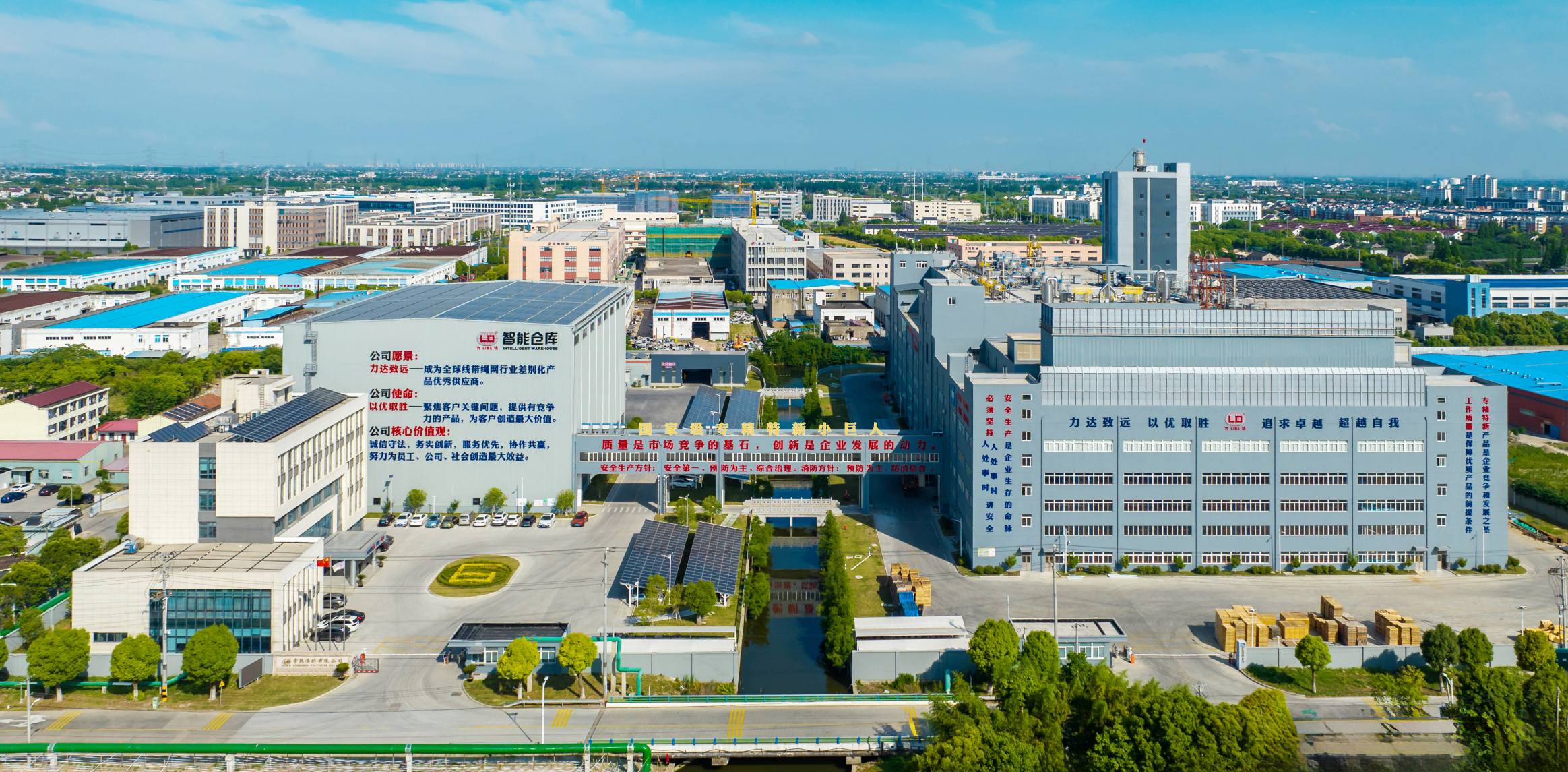

Inside an Anti-UV Polyester Dope Dyed Filament Yarn Factory: Crafting Durable and Fade-Resistant Textiles
2026-08-10
Step inside a world where sun, sweat, and time are no match for next-generation yarns. At Changshu Polyester, anti-UV dope dyed filament yarns are born from a fusion of pigment and polymer before the fiber even takes shape. The result? Colors locked in at the molecular level, resisting fading and degradation year after year. Curious how a single factory manages to spin durability and brilliance into every strand? Let’s unravel the science and craftsmanship behind textiles that stay bold when others fade.
The Core of Lasting Color: How Dope Dyeing Works
Most dyeing methods sit color on the surface, like a coat of paint waiting to peel. Dope dyeing flips that logic entirely. Instead of treating the finished fiber or fabric, the pigment is blended directly into the polymer melt or spinning solution before the fiber is even born. The result is a strand where color runs through its entire cross-section, not just clinging to the outside.
This inside-out approach changes everything about how a material behaves over time. Sunlight, friction, and washing wear down traditional dyes because they attack from the outside in. With dope-dyed fibers, there's no distinct color layer to erode. The pigment particles are locked into the polymer matrix itself, becoming a structural part of the thread. That's why the hues stay vibrant through years of heavy use, even in harsh outdoor conditions that would leave conventionally dyed fabrics looking tired and faded.
Beyond sheer endurance, the process sidesteps the massive water and chemical baths that define conventional dyeing. By skipping the post-treatment dye stage, dope dyeing eliminates entire sequences of rinsing, fixing, and wastewater treatment. This isn't just a technical detail—it reshapes the environmental footprint of colored textiles while delivering a depth of color that doesn't compromise on toughness.
Built to Withstand the Sun: Anti-UV Mechanisms
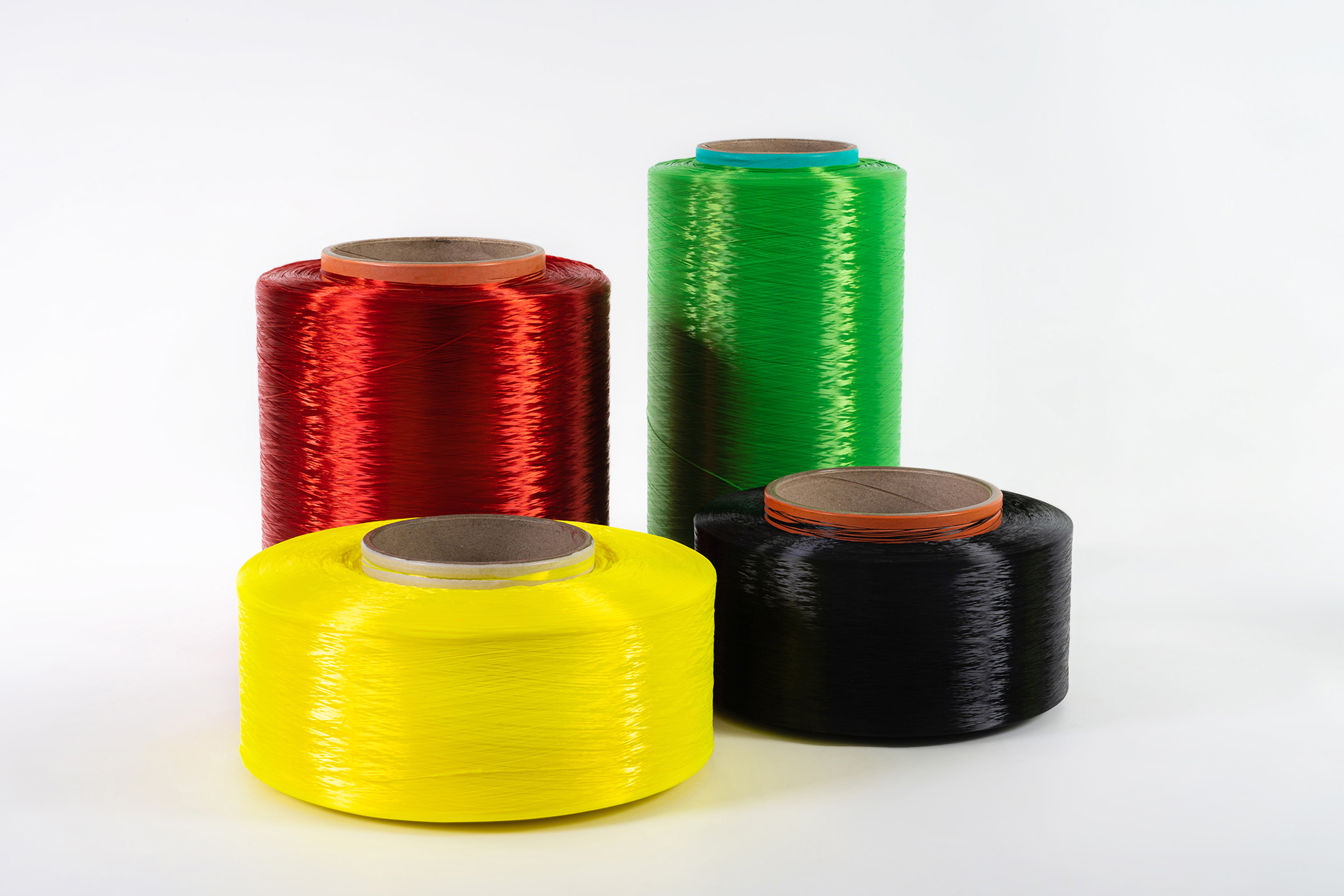
Prolonged exposure to ultraviolet radiation doesn't just cause fading and surface degradation—it can compromise the structural integrity of materials at a molecular level. To counter this, advanced anti-UV mechanisms often integrate chemical absorbers that convert high-energy UV photons into harmless heat before they can trigger damaging photochemical reactions. These absorbers, such as benzotriazoles or hydroxyphenyl triazines, are engineered to have high extinction coefficients in the UV range while remaining transparent in the visible spectrum, preserving the original appearance of the material.
Another layer of defense comes from hindered amine light stabilizers (HALS), which do not absorb UV light but instead scavenge the free radicals generated during photo-oxidation. By interrupting the chain reactions that lead to polymer breakdown, HALS can significantly extend the lifespan of coatings, plastics, and fibers. Some formulations also incorporate inorganic UV blockers like titanium dioxide or zinc oxide nanoparticles, which act as physical shields, reflecting and scattering incident UV rays. The synergy between these approaches often yields a far more robust solution than any single mechanism alone.
Recent innovations have moved beyond simple protection toward dynamic, environment-responsive systems. Photochromic additives, for instance, darken upon UV exposure to block more light and then return to a clear state indoors, balancing clarity with sun screening. Multilayer films with gradient refractive indices can also be designed to minimize reflection losses while maximizing UV rejection. These smart materials demonstrate that effective anti-UV design is not just about resilience—it's about adapting intelligently to the ever-changing solar environment.
From Polymer to Perfect Thread: A Walk Through Production
The journey begins with raw polymer chips, often polyester or nylon, fed into a hopper. They slide into a heated extruder, where temperatures climb past 250°C, transforming the solid granules into a thick, molten liquid. This viscous flow is forced through a spinneret—a metal disc pierced with hundreds of microscopic holes—emerging as fine, continuous filaments. Immediately, a blast of cool air hits the strands, solidifying them just enough to maintain shape while preserving a slight elasticity that will prove crucial later on.
Next, the filaments are gathered onto take-up rollers that stretch them several times their original length. This drawing process aligns the polymer chains, boosting tensile strength and giving the thread a silky, uniform character. Without this step, the thread would be brittle and prone to snapping under tension. Precision is paramount: the rollers spin at carefully calibrated speeds, and the tension is monitored to ensure every meter of thread behaves identically. A subtle application of lubricant—often a light oil—coats the surface, reducing friction and static during the winding stage.
Finally, the thread is wound onto spools, ready for inspection. Advanced sensors scan for thin spots or irregularities, flagging any deviation from the tight tolerance. A flawless spool feels smooth to the touch, with a consistent diameter and a quiet, even unwinding motion. From here, the thread moves to dye vats or sewing kits, its strength and finesse hidden in plain sight. What started as a pile of unremarkable pellets is now a perfect thread, poised to stitch, weave, or embroider with lasting grace.
Why This Yarn Outperforms Conventional Polyester
This yarn has a noticeably softer hand feel right off the cone, without the waxy or slick residue often left by standard polyester finishes. It drapes more fluidly and resists that stiff, plasticky recovery that can make garments look cheap after a few wears. The difference comes from a modified polymer structure that retains flexibility while maintaining tensile strength, so seams stay flat and edges don’t curl even after repeated machine drying.
Moisture management is where it really sets itself apart. Instead of simply repelling water or allowing it to pool on the surface, the filament cross‑sections are engineered to spread sweat rapidly across a larger area. That means evaporation happens faster, and the fabric doesn’t cling unpleasantly during high‑output activities. You also won’t see that shiny, sweaty sheen that conventional polyester can develop—the yarn diffuses light more like a natural fiber, giving a matte, breathable look that keeps you feeling drier and fresher.
Durability isn’t sacrificed for comfort, either. The yarn’s surface resists pilling and abrasion far longer, so high‑friction zones like underarms or collar points don’t fuzz up after a season. It also takes dye more evenly and holds color depth through countless washes, instead of fading into that typical washed‑out tint. All of this adds up to a material that behaves more like a premium, performance‑ready staple rather than a generic synthetic—without requiring any special care routines.
Real-World Applications That Rely on Fade Resistance
Take a drive on a sunny day and the vivid colors of road signs and billboards might seem like a given. These pigments and inks must survive relentless UV bombardment, rain, and temperature swings without washing out or shifting hue. A street sign that fades to illegibility in three years is a safety hazard; a highway billboard that turns pastel loses both its message and the advertiser’s money. That’s why manufacturers of outdoor graphics invest heavily in lightfast pigments and accelerated weathering tests, ensuring that the red you see at a distance today is the same red you’ll rely on a decade later.
Inside a car, the dashboard and seats face an even tougher test: sunlight magnified through glass, combined with heat that can push interior surfaces well past 70°C. Automotive textiles and plastics are laced with UV stabilizers and high-performance dyes that resist fading, because a car cabin that bleaches unevenly loses its showroom appeal and resale value in just a few summers. Engineers don’t just think in terms of years—they design for a decade or more of daily sun exposure, often simulating years of abuse in a few weeks with xenon arc lamps.
Museums and galleries present a quieter but equally demanding challenge. A centuries-old tapestry or a watercolor painting can lose its narrative power when the dyes break down, washing history into pastel ghosts. Conservators use fade-resistant reproductions and carefully controlled lighting, but they also depend on modern pigment chemistry to restore or replicate works without the original materials’ vulnerability. Even architectural restoration leans on this science: when a historic facade is repainted, the new coat must match the original precisely and resist fading for decades, so the building’s character isn’t slowly erased by the sun.
Inside the Quality Lab: Testing for Decades of Durability
Walking through the doors of our quality lab, you’re met with a quiet intensity. Rows of machines hum and click, each one tasked with a singular purpose: to simulate years of wear and tear in a matter of weeks. Fabrics are stretched, zippers pulled thousands of times, and seams stressed to their breaking point. It’s not about destruction—it’s about understanding exactly where the limits lie, so we can build products that far exceed everyday demands.
One machine rhythmically opens and closes a bag’s clasp—50,000 times to mirror a lifetime of daily use. Another replicates the abrasive scuffs from travel by tumbling gear inside a drum lined with rough surfaces. Every test leaves behind a trail of data, but more importantly, it tells a story about how a product weathers the elements, from monsoon-level rain chambers to sub-zero freezers. We don’t just check boxes; we chase the kind of resilience that makes gear feel like a trusted partner on every trip.
What sets this lab apart is the obsession with real-world context. A jacket isn’t just waterproof—it’s tested wearing a loaded backpack to see if pressure drives moisture through the shoulders. A handle isn’t just pulled—it’s yanked at angles that mimic a rushed catch at the airport. This granular attention to detail comes from listening to users’ stories and then re-creating those moments under controlled conditions. The result isn’t a fragile guarantee—it’s a quiet confidence that your gear will hold up, decade after decade.
FAQ
Dope dyeing incorporates pigment into the molten polymer before spinning, resulting in color that's integral to the fiber. This method ensures exceptional lightfastness and UV resistance because the anti-UV agents are embedded throughout the cross-section, rather than just sitting on the surface.
Since the UV inhibitors are locked into the polymer matrix during extrusion, they remain stable through countless wash cycles and prolonged sun exposure. We test yarn samples under accelerated weathering conditions to confirm long-term performance.
Continuous filaments have no loose fiber ends, so the fabric surface is smoother and more resistant to abrasion. Combined with dope dyeing, the color remains consistent even in high-use outdoor applications like awnings and automotive interiors.
It starts with raw material inspection for viscosity and purity. After masterbatch blending, the melt is filtered under extreme pressure to remove any contaminants. In-line sensors monitor denier uniformity, and each package gets tested for strength, elongation, and UV transmittance before shipping.
Dope dyeing eliminates the water-intensive dyeing step entirely; no wash-off baths mean zero dye effluent. Energy consumption drops significantly since we skip the heating and drying stages required in traditional piece dyeing.
You'll find them in outdoor furniture, protective clothing, car covers, and shade sails—anywhere long-term color retention and sun blocking are critical. The inherent UV shield also helps reduce skin exposure for outdoor workers.
We adjust the concentration of UV masterbatch to achieve UPF ratings from 15 to 50+. Often we simultaneously add antimicrobial or flame-retardant additives, creating multi-functional yarns in a single melt-spinning run.
Conclusion
At the heart of this specialized factory lies the dope dyeing process, where color is locked into the very polymer before the filament is formed. Unlike conventional piece dyeing, where pigments only coat the surface, here masterbatches of UV-stabilized pigments are blended with polyester chips and melted into a homogeneous mass. This integration means the color becomes an inseparable part of each thread, delivering exceptional fade resistance from the inside out. The anti-UV protection isn’t a topical treatment either; engineered additives within the dope absorb and scatter harmful radiation, ensuring the yarn stays vibrant even after prolonged sun exposure. Walking through the production floor, you see the transformation from raw polymer to flawless filament—extruded, cooled, drawn, and wound—with quality checks at every stage to maintain consistency.
This yarn significantly outperforms traditional polyester in applications where durability and color retention are crucial. Outdoor furnishing, automotive interiors, awnings, and sports equipment all benefit from its built-in strength, since no post-dyeing or chemical baths stretch or weaken the fibers. The factory’s quality lab simulates decades of use through accelerated weathering tests, measuring tensile strength and colorfastness under intense UV lamps, heat, and humidity. Such rigorous protocols confirm that these fade-resistant textiles can withstand real-world harsh conditions without peeling, fading, or losing integrity. By merging advanced polymer science with practical engineering, the factory crafts a material that not only lasts longer but also significantly reduces water and chemical usage compared to traditional dyeing, making it an environmentally smarter choice for modern industries.
Contact Us
Contact Person: CONNIE
Email: [email protected]
Tel/WhatsApp: 86-0512-53671634
Website: https://www.lida-yarn.com/