
High Speed Baby Diaper Production Line | Revolutionizing Manufacturing Efficiency
2026-03-29
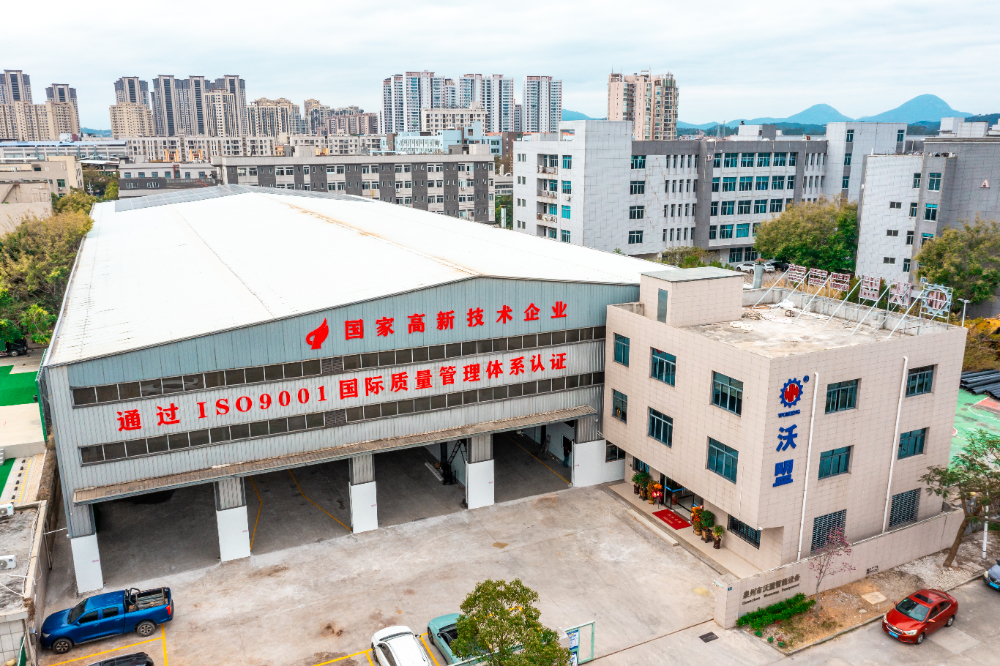
In the fast-paced world of manufacturing, efficiency isn't just a goal—it's a necessity. Imagine a production line that not only meets the demands of today's market but anticipates the needs of tomorrow. The High-Speed Baby Diaper Production Line is revolutionizing how we think about manufacturing, blending cutting-edge technology with unparalleled speed to deliver products that parents trust and babies deserve. At the heart of this innovation is Womeng, a brand synonymous with precision and reliability in the machinery industry. As we dive into the details of this game-changing production line, you'll discover how it sets new standards, reduces waste, and ensures consistent quality—all while keeping pace with the ever-growing demand. Join us on this journey to explore the future of diaper manufacturing and see why Womeng is leading the charge.
Accelerating Production: Key Components of a High-Speed Diaper Line
In the competitive world of diaper manufacturing, accelerating production without compromising quality is crucial for meeting market demands and enhancing profitability. A high-speed diaper line is designed to achieve this goal by leveraging advanced technologies and optimized processes that streamline operations from raw material handling to final packaging. This acceleration not only boosts output but also reduces waste and labor costs, making it a key strategy for manufacturers aiming to scale efficiently. Focusing on the key components of such lines helps identify the innovations driving this speed, ensuring that each element contributes to a seamless and rapid production flow.
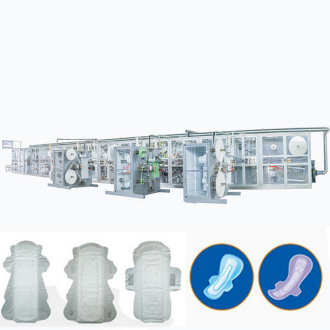
One essential component is the automated core-forming unit, which precisely shapes the diaper's absorbent core at high velocities. Modern versions incorporate sensors and real-time adjustments to maintain consistency, even as speeds exceed 600 diapers per minute. Another critical element is the cutting and sealing system, which uses ultrasonic or heat sealing technologies to assemble diapers swiftly and securely, minimizing downtime for maintenance. Additionally, advanced control panels with intuitive interfaces allow operators to monitor and fine-tune the entire line, facilitating quick responses to any bottlenecks or quality issues that might arise during high-speed runs.
Beyond machinery, material handling systems play a pivotal role in accelerating production. Integrated conveyors and robotics ensure a steady supply of materials like non-woven fabrics, elastic bands, and adhesives, reducing manual intervention and preventing delays. For instance, smart feeders can detect material shortages and automatically reorder stock, keeping the line running smoothly. By combining these components with a focus on durability and ease of access for maintenance, manufacturers can create a high-speed diaper line that not only meets today's fast-paced demands but also adapts to future innovations in hygiene products.
Innovative Automation: How Modern Technology Cuts Costs and Downtime
In today's competitive landscape, businesses are increasingly turning to innovative automation solutions powered by cutting-edge technologies like artificial intelligence, machine learning, and robotics. These tools streamline operations by taking over repetitive tasks, reducing the need for manual intervention and minimizing human error. This shift not only slashes labor costs but also frees up employees to focus on more strategic, value-added activities, driving overall efficiency and productivity.
Beyond cost savings, modern automation technologies dramatically cut downtime by enabling predictive maintenance and real-time monitoring. Sensors and IoT devices continuously collect data on equipment performance, allowing systems to anticipate failures before they occur and schedule maintenance proactively. This approach prevents unexpected breakdowns, extends machinery lifespan, and ensures smoother, uninterrupted production cycles, giving companies a significant edge in reliability and output consistency.
What sets these advancements apart is their adaptability and scalability; they can be tailored to diverse industries, from manufacturing to logistics, and easily integrated with existing infrastructure. By leveraging cloud computing and data analytics, organizations gain deeper insights into operational bottlenecks, enabling continuous improvement and innovation. This forward-thinking approach not only reduces costs and downtime but also fosters a culture of agility, helping businesses stay resilient and responsive in a fast-paced market.
Precision Engineering: Ensuring Superior Quality at Breakneck Speeds
In today's fast-paced industries, maintaining top-notch quality while accelerating production isn't just an advantage—it's essential for survival. Precision engineering steps in as the key player, blending meticulous attention to detail with swift execution. This approach goes beyond simple speed; it involves advanced techniques like real-time monitoring and automated adjustments, ensuring that each component meets exact specifications without slowing down the workflow. By integrating cutting-edge tools such as AI-driven analytics and high-speed robotics, companies can detect and correct flaws instantly, preventing costly delays and upholding rigorous standards even under tight deadlines.
Imagine a manufacturing line where every step is fine-tuned to operate at peak efficiency, yet never sacrifices accuracy. That's the essence of precision engineering in action. Through strategies like lean methodologies and predictive maintenance, organizations streamline processes to eliminate bottlenecks, allowing for rapid turnover without quality dips. For instance, in aerospace or electronics, where tolerances are razor-thin, this method ensures parts are assembled flawlessly at speeds that outpace traditional methods. It's about creating a synergy where speed enhances precision, not compromises it, leading to products that are both reliable and delivered on time.
Adopting this mindset transforms how teams approach projects, fostering a culture where excellence and velocity coexist. By investing in skilled personnel and continuous training, businesses empower their workforce to make quick, informed decisions that uphold quality benchmarks. In sectors like automotive or medical devices, this can mean life-saving innovations reaching markets faster. Ultimately, precision engineering isn't just a technical fix; it's a strategic commitment to pushing boundaries, proving that when done right, superior quality and breakneck speeds aren't mutually exclusive but rather drive each other forward.
Customizable Flexibility: Adapting Lines for Diverse Diaper Designs
In the world of diaper manufacturing, customizable flexibility isn't just a buzzword—it's the key to meeting the varied needs of modern parents and babies. By adapting production lines to handle different materials, sizes, and features, companies can seamlessly switch between designs without costly downtime. This approach allows for everything from eco-friendly options with biodegradable layers to high-absorbency models for overnight use, ensuring that every product can be tailored to specific market demands or seasonal trends with ease.
What really sets this flexibility apart is how it empowers innovation at the production stage. Instead of being locked into rigid systems, manufacturers can experiment with new cuts, closures, or patterns on the fly, responding quickly to feedback or emerging preferences. For instance, a line might be adjusted to incorporate breathable mesh for summer diapers or extra padding for sensitive skin variants, making each batch uniquely suited to its intended audience without sacrificing efficiency.
Beyond just technical adjustments, this adaptability fosters a deeper connection with consumers by enabling personalized solutions. Parents seeking diapers for premature infants, active toddlers, or children with allergies can find products that truly fit, thanks to lines that can be fine-tuned for niche requirements. It's this human-centered approach—blending advanced engineering with real-world needs—that transforms a simple production process into a dynamic tool for creating diapers that are as diverse as the families who use them.
Streamlined Workflow: From Raw Materials to Packaged Products in Minutes
Imagine transforming basic components into finished goods almost as quickly as you can brew a cup of coffee. This isn't a futuristic fantasy—it's the reality of today's streamlined workflow systems. By seamlessly integrating automated machinery with real-time data analytics, production lines can now process raw inputs with astonishing speed. From the moment materials arrive at the facility to the point where they're sealed in packaging, each step is optimized for minimal delay. The result? A dramatic reduction in turnaround times, allowing businesses to respond swiftly to market demand.
What sets this approach apart is its emphasis on fluidity rather than just velocity. Unlike older models that focused solely on accelerating isolated tasks, modern workflows prioritize continuous, uninterrupted movement throughout the entire chain. Sensors track inventory levels, robotic arms handle precision assembly, and quality checks are conducted on-the-fly without halting progress. This cohesive design ensures that bottlenecks are virtually eliminated, enabling a smooth transition from start to finish. Companies adopting these methods often report not only faster output but also fewer errors and enhanced operational consistency.
Beyond mere efficiency, this rapid transformation process opens doors to unprecedented flexibility. Manufacturers can pivot production lines to accommodate custom orders or seasonal trends without lengthy recalibrations. By compressing timelines from hours to minutes, organizations gain a competitive edge in dynamic markets. Ultimately, it's about more than just speed—it's a reimagining of how value is created, delivering ready-to-ship products almost as soon as the idea takes shape.
Future-Proof Manufacturing: Scalable Solutions for Growing Demand
In today's fast-paced market, manufacturers are constantly grappling with the challenge of meeting escalating customer demands while staying ahead of technological curves. Future-proofing in manufacturing isn't just about adopting the latest gadgets; it's about building systems that can adapt and expand seamlessly as needs evolve. By integrating flexible production lines and smart technologies, companies can quickly respond to changes in volume or product specifications without overhauling their entire setup. This adaptability ensures that businesses remain competitive and resilient, even when faced with unforeseen shifts in the global economy or consumer preferences.
Scalability is at the heart of future-proof manufacturing, enabling operations to ramp up or down with minimal friction. Solutions like modular equipment and cloud-based data analytics allow for real-time adjustments, optimizing resources and reducing waste. Instead of being locked into rigid processes, manufacturers can leverage these scalable frameworks to innovate on the fly, whether it's launching a new product line or expanding into new markets. This proactive approach not only boosts efficiency but also fosters a culture of continuous improvement, where every challenge becomes an opportunity for growth.
What truly sets apart forward-thinking manufacturers is their ability to anticipate and plan for growth long before it arrives. By investing in robust infrastructure and workforce training, they create environments where scalability is built into the DNA of the operation. This strategic foresight translates into reduced downtime, enhanced customer satisfaction, and a stronger bottom line. In essence, future-proof manufacturing isn't a one-time upgrade—it's an ongoing commitment to evolving alongside demand, ensuring that businesses not only survive but thrive in an ever-changing landscape.
FAQ
It integrates advanced automation and precision engineering, allowing for rapid output with minimal waste, which boosts overall efficiency and reduces production costs significantly.
By utilizing high-speed sensors and real-time monitoring systems, it ensures consistent material thickness, secure adhesives, and optimal absorption, leading to safer and more reliable diapers for infants.
This line operates at speeds exceeding 600 pieces per minute, designed to meet high demand without compromising on precision or durability in the final products.
Key innovations include modular designs for easy customization, energy-saving motors, and AI-driven quality control that adapts to different materials and sizes seamlessly.
It features reduced energy consumption, recyclable material handling systems, and optimized resource usage, cutting down environmental impact while maintaining high throughput.
The line incorporates self-diagnostic tools, easy-access components for quick repairs, and durable materials that minimize downtime and extend the equipment's lifespan.
Manufacturers can adjust settings for various sizes, materials, and features through user-friendly interfaces, allowing flexibility to produce premium or budget-friendly diapers as needed.
Conclusion
The evolution of the high-speed baby diaper production line represents a remarkable leap in manufacturing efficiency, driven by precision engineering and innovative automation. By integrating advanced components such as high-precision cutting systems and automated fold-and-pack stations, these lines accelerate production while maintaining superior quality at breakneck speeds. This technological foundation ensures that every diaper meets rigorous standards, minimizing defects and reducing waste. Moreover, the automation not only cuts costs by optimizing labor and energy use but also dramatically reduces downtime through predictive maintenance and real-time monitoring. This synergy of speed and reliability transforms production floors into hubs of seamless operation, where efficiency gains translate directly into competitive advantages for manufacturers.
Beyond speed, these production lines offer customizable flexibility to adapt to diverse diaper designs, from various sizes to specialized features like eco-friendly materials. This adaptability streamlines the entire workflow, enabling raw materials to be processed into packaged products in mere minutes, thereby enhancing responsiveness to market demands. Looking ahead, the scalable nature of these solutions future-proofs manufacturing by allowing easy expansion or modification to handle growing demand. By revolutionizing traditional processes, high-speed diaper lines not only boost productivity but also foster innovation, making them indispensable in meeting the dynamic needs of the baby care industry and setting new benchmarks for manufacturing excellence.
Contact Us
Contact Person: Jessie Lai
Email: [email protected]
Tel/WhatsApp: 86-188594442931
Website: https://www.wm-machinery.com