

High Pressure Mixer Truck Washing Machine Manufacturer Shares Practical Selection Insights
2026-11-25
Choosing a high-pressure mixer truck washing machine often comes down to guesswork—until a manufacturer with real field experience lays out what actually matters. Sinou cuts through the noise with practical selection insights that help you match pressure, flow, and frame design to your daily washdown routine. Here’s what to look for before you invest.
Reading Past the PSI Number That Dominates Every Spec Sheet
PSI gets the hero shot on almost every box, but treating it as the whole story is how you end up with a machine that blasts hard and still cleans slow. Pressure is only part of the equation. Flow rate, spray angle, and nozzle design decide whether that pressure lands as a focused punch or a scattered mist.
A unit with a huge PSI number and a stingy flow rate can feel aggressive without actually moving much dirt. Meanwhile, a setup with modest pressure and more volume often finishes the job sooner because it carries debris away instead of just loosening it. The number on the spec sheet doesn’t tell you that; the combination does.
Before you compare numbers, think about the surfaces you actually touch. Siding, concrete, car paint, and wood all respond to different pressure levels, and the highest setting is rarely the safest shortcut. Start lower, watch how the surface reacts, and adjust until the tool does the work without forcing you to fight the spray.
Water Volume Demands That Change Once You Leave the Showroom
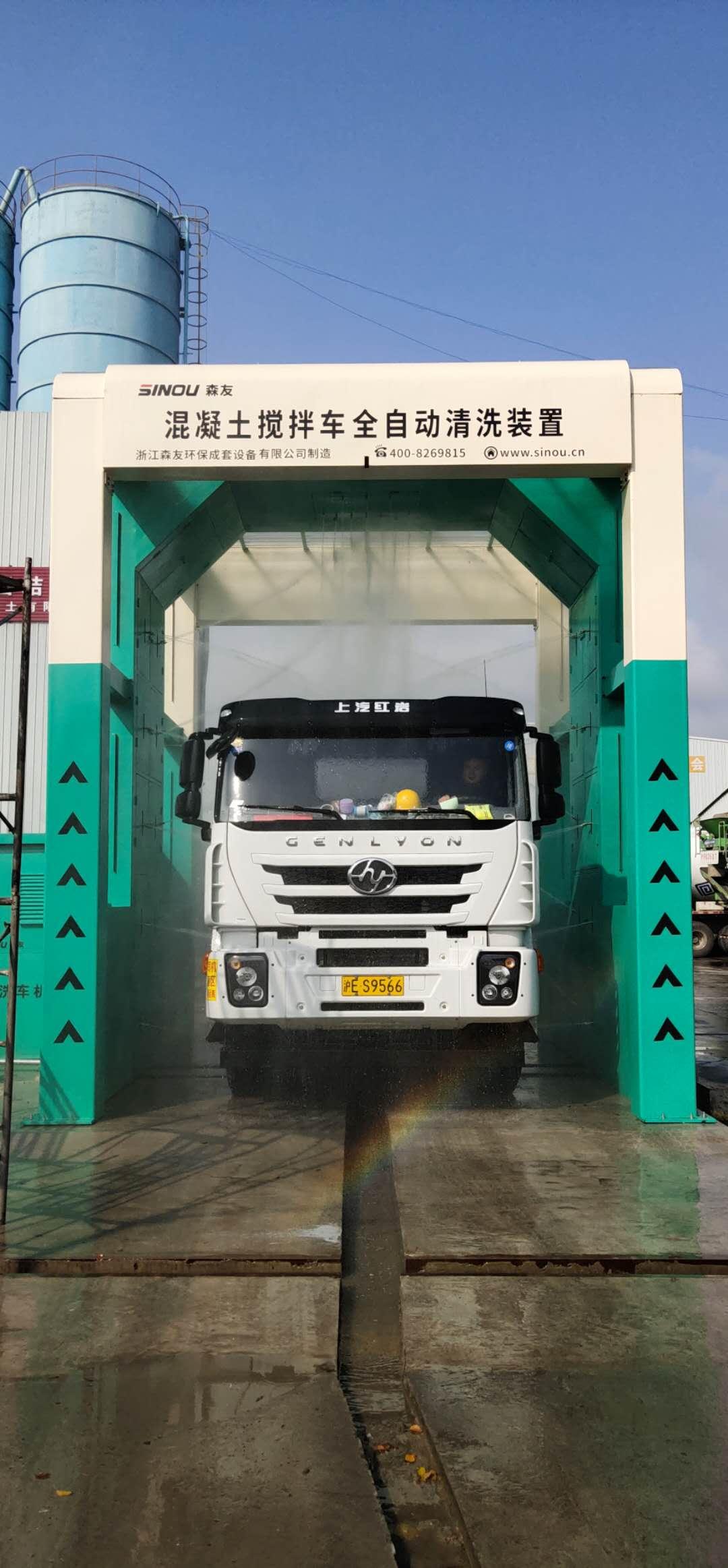
The display model in the showroom runs on a closed loop with a modest pump and a small reservoir, which gives you a misleading sense of how much water the system actually needs. Once the unit is installed in your home and connected to your existing plumbing, the demand often doubles or triples because the loop has to compensate for longer pipe runs, more fixtures, and pressure drops that never showed up in the demo bay.
What catches most people off guard is the jump in required flow rate when multiple outlets are open at the same time. The brochure lists a single faucet's draw, but your real usage might involve a shower, a washing machine, and a utility sink running together. If the supply line was sized for that showroom figure, you'll notice weak spray, temperature fluctuations, or a pump that cycles far more often than it should.
A practical way to avoid the surprise is to measure your household's peak demand before choosing a unit rather than trusting the tag on the floor model. Run the two or three heaviest water draws you normally use at once, time how long it takes to fill a five-gallon bucket at that peak, and compare that number to the system's rated output under real static pressure. The difference is rarely small, and planning for it early saves you from tearing out supply piping later.
Nozzle Patterns and the Difference Between Rinsing and Removing
A nozzle’s spray shape determines how force hits a surface. A narrow stream concentrates pressure into a small area, which helps break stubborn grime loose, while a wider fan spreads the same flow across more square inches and lowers the impact. Many people assume a tighter pattern always cleans better, but that is only true for spot work. For broad panels or delicate trim, a wider angle clears soap and loose dirt faster without hammering the same spot.
Rinsing generally means flushing away residue with a softer, broader curtain of water. The goal is not to blast anything off but to move loosened material off the surface. Removing, by contrast, leans on pressure and a focused pattern to lift something that is still bonded—mud caked in a wheel well, bird droppings, or a film that has dried in place. If you try to remove tough deposits with a rinse-style fan, you will often just push suds around. If you use a removal-style jet for a final rinse, you risk etching or forcing water where it should not go.
Matching the pattern to the job matters more than raw PSI. A 15-degree tip can slice through caked-on debris but is overkill for glass or painted trim. A 40-degree tip is forgiving for final passes and leaves fewer streaks. Once you start reading the spray shape as a tool rather than a setting, the distinction between rinsing and removing becomes obvious: one carries things away, the other breaks them free.
What a Machine’s Frame Tells You Before the Pump Ever Starts
A pump’s frame is rarely the first thing engineers talk about, yet it quietly reveals more than most datasheets admit. Before a drop of fluid moves, the casting thickness, rib placement, and foot design already hint at how the machine will behave under repeated thermal swings and pipe strain. A thin, lightly webbed base may save weight, but it often telegraphs misalignment problems that surface only after the couplings start complaining.
Look closely at where the motor stool meets the casing and where the hold-down bolts sit. Generous gussets, clean radii, and a flat, stress-relieved mounting face suggest a manufacturer that planned for real-world piping loads rather than ideal laboratory alignment. If the frame shows rough corners, uneven paint over weld spatter, or bolt holes with barely enough edge margin, expect that same inattention to show up later in seal life and vibration readings.
Even the way a frame is drained and leveled tells a story. Small details like jacking pads, machined datum strips, and drip channels around the bearing housing indicate the pump was designed to stay put and be measured accurately over time. A machine that fights its own foundation from day one will never reach the performance promised on the curve. Reading the frame first can save you from learning those lessons the hard way.
Matching Pressure and Flow to the Age of the Concrete You’re Facing
Fresh concrete behaves like a thick soup that can bridge minor gaps and tolerate a slower, steadier push. The moment you pour, the mix still has enough plasticity to settle around aggregate and form a tight seal against the form face before it begins to stiffen. Trying to force high pressure into a pour that is only a few hours old, however, is a different story. At this stage, the surface has started to develop a fragile crust, yet the core remains weak. A stream that is too aggressive will rip through that crust, wash cement paste away from the aggregate, and leave behind honeycombed pockets that no amount of surface patching can truly fix.
Once the slab or wall has cured for several days, the window shifts again. The concrete has gained enough strength to handle more deliberate flow, but it is still vulnerable to erosion at the edges of joints and cold pours. Many operators make the mistake of treating a three-day-old pour like a three-week-old one. The right approach here is to widen the tip, lower the pressure just enough to carry debris out of the cut, and let the water do the work without hammering the surface. This middle stage demands more patience than power, and it is often where the difference between a clean, professional result and a washed-out mess becomes visible.
Older concrete brings its own set of rules. Fully cured slabs, especially those that have gone through seasonal freeze-thaw cycles, tend to have micro-cracks and surface scaling that open up under high flow. At this age, the goal is less about protecting fresh paste and more about controlling where the water goes. A narrow, high-velocity stream can easily find a weak seam and turn a small spall into a deep channel. Matching pressure and flow here means reading the surface first: if you see fines washing out or aggregate loosening, back off and let dwell time replace brute force. The concrete's age dictates not just how much water you can push, but how that water is allowed to move across the surface.
The Manufacturer Answers That Reveal More Than a Brochure Ever Will
A glossy brochure tells you what a product is supposed to be. A direct conversation with the manufacturer tells you what it actually is, how it fails, and where its limits live. Ask about the tolerances they don't publish, the maintenance intervals they quietly hope you will ignore, or the warranty claims that never make it into the marketing copy. You will quickly notice the difference between someone reading from a script and someone who has spent years on a factory floor.
The most useful answers rarely come from the first question. They come from the follow-up. When you ask why a certain material was chosen over a cheaper alternative, or what they would change if they were redesigning the unit today, you start to hear the kind of engineering honesty that no spec sheet can convey. Manufacturers who trust their own work will admit trade-offs. They will say which parts are overbuilt for safety and which parts are designed to be replaced sooner than customers expect.
That level of candor is not accidental. It is a byproduct of experience, warranty data, and the accumulated feedback from installers and repair technicians. A brochure is written once and polished until every rough edge disappears. A manufacturer's answer, in contrast, carries the weight of real world use. If you listen carefully, you can hear which problems they are proud of solving and which ones they are still quietly working around.
FAQ
For most fleets, 350 to 500 bar is enough. Going higher usually damages paint, seals and drum surfaces without speeding up the job much. Flow rate between 30 and 50 liters per minute does more for flushing loose material than raw pressure alone.
Nozzle arrangement and flow tend to affect cleaning speed more than the pump nameplate. A reliable pump still matters, but a poorly matched nozzle or awkward lance will slow the crew down even with a premium pump.
If trucks return to a central yard, a fixed station with proper drainage and a settling pit is usually easier to maintain. Mobile units suit multiple sites or rental operations, but water supply, power and sludge disposal become more complicated.
Concrete residue is abrasive and highly alkaline. A settling tank, filtration and pH adjustment are needed before water can be reused. Recycling saves water but requires space and regular removal of settled sludge.
For larger fleets, a semi-automated gantry or robot gives consistent cleaning and can reduce labor. Smaller operations often still do fine with manual high-pressure lances, provided the work area is safe and well laid out.
Nozzles, swivel joints, high-pressure hoses and pump seals are usually the first to go. Before buying, ask for replacement intervals and whether spares are available locally or only through the manufacturer.
Drainage, sludge handling, freezing in winter and safe access for maintenance are common oversights. Electrical supply, inlet water pressure and safety interlocks also need to be confirmed before installation.
Ask to visit an existing site and watch the machine handle real concrete buildup. Check how the manufacturer handles spare parts, training and response time; a company that understands concrete residue will give more practical advice than a general pressure washer supplier.
Conclusion
When shopping for a high pressure mixer truck washing machine, most buyers start with the PSI figure splashed across the brochure. That number rarely tells you how the unit behaves after a few hundred hours of real cleaning. A closer look at water volume matters more once the truck leaves the showroom; a machine can advertise high pressure but still move too little water to push hardened slurry off the drum fins. Nozzle patterns also change the job more than raw force. A tight stream will cut a line through fresh overspray, but a wider fan pattern actually removes residue across the chute and hopper without forcing you to make three extra passes. Pay attention to the frame before the pump even starts. Thin tubing and sloppy welds show up as cracks and misaligned reels after months of bouncing across the plant yard.
Pressure and flow need to match the age of the concrete you are facing. Same-day spills wash off with moderate pressure and higher volume, while week-old buildup often responds better to a slower, closer pass with a narrow nozzle. The real difference comes from asking the manufacturer the right questions: how the pump is mounted, what happens when the unloader cycles, and whether spare seals fit common sizes. Brochures rarely mention those practical points, but the answers tell you whether the machine is built for daily service or just for a clean demo video. A good supplier will explain why the gun, hose, and reel are matched to the pump instead of simply quoting another PSI rating. That kind of detail keeps water on the truck and time off the clock.
Contact Us
Contact Person: HaiYan
Email: [email protected]
Tel/WhatsApp: +86 18957325588
Website: https://www.senyoubeton.com/