

GS-441524 FIP Treatment Exporters: A Global Guide for Cat Owners
2026-11-16
When a beloved cat is diagnosed with FIP, time becomes the enemy. GS-441524 has emerged as a lifeline, but finding a trustworthy supplier amid a sea of exporters can feel overwhelming. That’s why we’ve built this global guide—to help you cut through the noise, avoid costly mistakes, and access treatment fast. Along the way, you’ll discover how Lucpets is raising the bar with verified quality and transparent sourcing, so you can make confident choices when every moment counts.
How GS-441524 Turns the Tide Against Feline FIP
The arrival of GS-441524 changed feline medicine almost overnight, turning a universally fatal diagnosis into something cats could genuinely survive. Before this molecule became available, a cat with wet or neurological FIP simply had no chance—the conversation with veterinarians was always about when to say goodbye. What makes GS-441524 so remarkable is that it doesn't just suppress symptoms or buy a few comfortable weeks; it directly blocks the mutated coronavirus that causes FIP from replicating inside macrophages. By inserting itself into the viral RNA chain, this nucleoside analogue terminates further copying, effectively crashing the disease process at its core. This mechanism is so precise that many cats show visible improvement within 48 hours: fever breaks, appetite returns, and that fluid-filled belly starts to shrink.
The daily treatment journey isn't painless—injections can be uncomfortable and owners become amateur pharmacists overnight, carefully measuring syringes and learning to spot injection-site sores. But watching an almost lifeless kitten start grooming herself after three days is the kind of turnaround that rewires how we think about viral diseases in animals. There's a quiet revolution happening in living rooms, not just in labs: owners mix the solution, administer shots while their cats sleep, and track progress with photos of their cat’s eyes—cloudy uveitis slowly giving way to clear, vibrant irises again. The full 84-day protocol feels like a marathon, but the glass bottle in the fridge becomes a promise rather than just medicine.
What truly sets GS-441524 apart is the way it has rewritten the emotional landscape of FIP. No longer is a positive test result a death sentence that must be accepted; it's the start of a demanding, hopeful, and deeply personal fight. The tide hasn't just turned in terms of survival statistics—it has turned in the stories that get told in vet clinics. Instead of grief-stricken closings, we now hear about the cat who climbed the curtains again on day 60, or the bloodwork that came back normal after months of uncertainty. That shift, from despair to determined at-home nursing, is the real measure of what this drug has done.
Navigating the Global Maze of Export Rules
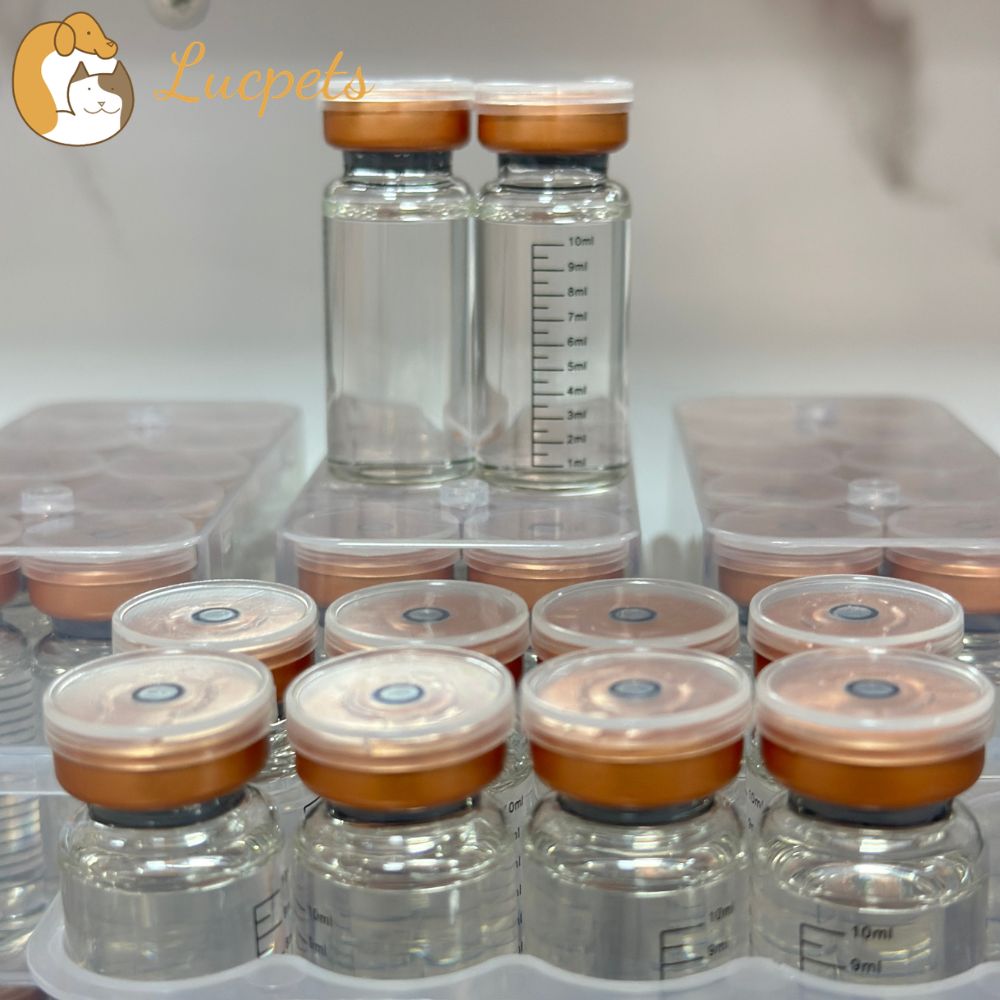
Export compliance often feels like threading a needle in a hurricane. Every shipment crosses not just geographical borders but a dense web of shifting regulations—from dual-use classification and denied-party screening to country-specific embargoes and licensing quirks. One missed document or a slight misjudgment in HS code can stall goods at customs for weeks or trigger legal exposure that dwarfs the value of the cargo. The real challenge isn’t just knowing today’s rules; it’s anticipating how a political shift or a new sanction package might upend your routing plan overnight.
Many exporters instinctively lean on generic checklists, hoping conformity will carry them through. Yet the maze rewards those who go deeper—mapping not just what the law says, but how enforcement actually behaves in practice. For instance, some jurisdictions flag shipments based on the end-use narrative rather than the item’s technical specs alone. That means a spare part destined for a harmless-looking facility could still raise alarms if the destination’s industry profile triggers enhanced scrutiny. Building a dynamic, human-informed screening rhythm often proves more reliable than any static software rule set.
The best navigators treat export rules as a layered puzzle rather than a turnkey checklist. They invest in local expertise, cross-reference denial lists against subtle corporate ownership trails, and keep an ear close to trade advisory updates not yet formalized into law. Risks multiply when companies scale into unfamiliar markets, where a deal that satisfies legal thresholds in one region may violate the spirit—or the letter—of controls in another. Success lies in crafting an internal culture where every sales push is tempered by real-time compliance dialogue, turning the maze from a liability into a strategic filter for long-term growth.
What to Look for in a Trustworthy Supplier
A dependable supplier reveals their reliability through the smallest operational details—ones that never make it into polished brochures. Pay attention to how they handle a mistake before you ever place an order. Do they return an email within hours with a direct answer, or do you get a templated reply three days later? Genuine consistency shows up in their packaging choices, inventory transparency, and the way they talk about lead times. If every conversation feels like they’ve already thought about what could go wrong and built a cushion around it, you’re likely dealing with a partner, not just a vendor.
Beyond surface-level professionalism, the best suppliers treat your priorities as their own without making a show of it. They remember your previous conversations, flag potential issues before you notice them, and never pretend a production delay is “almost resolved” when it clearly isn’t. Look for suppliers who volunteer batch-specific quality reports, share real-time inventory levels even when it means admitting a shortfall, and suggest product alternatives that genuinely fit your needs rather than their excess stock. Those small, unsolicited gestures separate a supplier who simply meets specifications from one who understands your business rhythms.
Finally, assess their reaction when something doesn’t go to plan. A trustworthy supplier doesn’t rush to blame freight companies, raw material shortages, or “unforeseen circumstances” without immediately presenting a concrete fix. Their first instinct should be to outline exactly what steps they’re taking, at what cost, and on what timeline—with an offer to make it right before you’ve asked. People and companies who operate this way have usually been burned themselves and decided not to pass that experience on. That kind of integrity rarely fades, and it’s worth more than any certificate on a wall.
The Real Cost of Importing Treatment for Your Cat
When a beloved cat falls ill, it’s instinctive to chase every possible remedy—even if it means sourcing medication from abroad. The initial sticker price of an imported treatment can look deceptively affordable compared to local options. Yet the moment customs paperwork enters the equation, that attractive number starts swelling. Import duties, pharmaceutical handling fees, and carrier surcharges often pile up quietly, transforming a seemingly reasonable purchase into a serious financial commitment before the package even clears the border.
Beyond the invoices and exchange rates, there’s a less visible layer of cost: time and emotional bandwidth. Vets may need to wrestle with unfamiliar regulatory pathways to write a valid prescription for an overseas drug, while you’re left tracking shipments, decoding cold-chain requirements, and bracing for hold-ups. A four-day delay in transit isn’t just an inconvenience when your cat’s wellbeing hangs on consistency—it can mean scrambling for a temporary substitute, another round of lab work, or entirely rethinking the treatment plan.
Then comes the gamble with quality. Not every country’s manufacturing standards mirror your own, and a drug that arrives in perfect condition can still be compromised by a counterfeit supply chain you’ll never see. Testing the compound yourself is rarely an option, so you’re trusting a middleman’s documentation. When factoring in potential side-effect management or the stark possibility that the treatment fails, the real cost often lands far above what any calculator can show—nestled somewhere between hope, resourcefulness, and the quiet determination to do right by the animal who trusts you completely.
Real Stories from Owners Who Took the Leap
Six months ago, Jenna was still rearranging her spreadsheets at midnight, second-guessing whether her side project could really support her full-time. Today, she’s shipping orders from a studio she converted out of her garage, and her only regret is not starting sooner. The jump wasn’t clean or perfectly timed—she handed in her resignation the same week a major client ghosted—but clarity came through motion, not planning. What changed wasn’t the risk; it was her willingness to trust that the details would sort themselves out along the way.
Marcus spent two years building his craft coffee brand on weekends while holding down a corporate job that drained his energy by Wednesday. He describes the moment he left as “an exhale I didn’t know I’d been holding.” The most surprising part wasn’t the financial wobble—he’d prepared for lean months—but the sudden surge of creativity that came from having mental space again. He now roasts small batches for three local cafes and is experimenting with a subscription model that his old schedule would never have allowed him to imagine.
Leena and Raj didn’t just take one leap—they took several, pivoting their handmade ceramics business three times before landing on workshops that now have a waiting list. Their story sticks because it refuses the tidy narrative of overnight success. There were arguments, inventory that gathered dust, and a pop-up market where they sold exactly nothing. But each misstep taught them something about what their community actually wanted, and that slow feedback loop became their real competitive edge.
Avoiding Common Pitfalls When Ordering from Abroad
One of the quickest ways to lose money on an international order is to miscalculate the final cost. Many shoppers focus only on the listed price and forget about customs duties, brokerage fees, and fluctuating exchange rates. Before clicking ‘buy,’ check your country’s import thresholds to see if you’ll be charged extra. A shipping carrier might also tack on a handling fee that can outweigh any initial discount. Use a currency converter via your bank or a card provider for the actual rate you’ll pay — not the one displayed by the retailer — to avoid an upsetting surprise when the charge appears.
Another trouble spot is overlooking the small print on returns and warranties. An item bought from a foreign boutique might not carry the same manufacturer’s guarantee you’d get at home, and sending it back can cost more than the product itself. Always research the seller’s return policy: who covers return shipping, whether there is a restocking fee, and how long you have to initiate a claim. If the listing is vague, message them directly. A few minutes spent clarifying these details can save you from staring at a useless gadget with no path to a refund.
Finally, guard against payment methods that offer no protection. Wiring money or using direct bank transfers leaves you with little recourse if the package never arrives or arrives damaged. Sticking with a credit card or a reputable payment platform with buyer safeguards is a more reliable path. Also, be mindful of the shipping address format — a missing apartment number or a surname switched with a first name can derail delivery, and overseas tracking often stops at the border, leaving you in the dark for days. A quick double-check of these personal details can keep your parcel from sitting in a depot, unclaimed.
FAQ
GS-441524 is the active antiviral molecule that directly stops feline infectious peritonitis virus from replicating. It was developed as a targeted nucleoside analog and has shown remarkable success in reversing even severe wet or dry FIP when given consistently. Cat owners turn to it because it remains the most reliable compound backed by both clinical studies and thousands of real-world cases, though regulatory approvals vary by country.
Exporters operate in regions where GS-441524 is legally manufactured or sold as a research chemical or compounded medication, then ship it to countries where it isn't officially available. They often provide concentration options, oral suspensions, and guidance on dosing protocols. By working directly with owners, these suppliers bridge the gap between desperate need and restricted local veterinary channels, but it's crucial to choose those with transparent third-party lab testing.
Search for exporters who openly share certificates of analysis from independent labs for every batch. Reliable ones have consistent communication, trackable shipping with proper storage conditions, and clear refund or reship policies if a package is lost. They rarely make exaggerated cure-rate claims and are willing to discuss exact purity and concentration. Avoid any seller that pressures you with time-limited offers or hides behind vague product descriptions.
The main risks are receiving subpotent or mislabeled vials, degradation from heat during transit, and not having injection-site support. To protect your cat, always test any batch yourself with a trusted lab if possible, use insulin syringes to dose accurately, and join verified owner support groups to double-check protocols. Keep your local vet informed even if they can't prescribe it, so you can monitor liver enzymes and kidney values throughout the course.
Quality manufacturers are mainly concentrated in a few pharmaceutical hubs where advanced chemical synthesis is well-regulated, notably parts of East Asia and certain European countries with strong research chemical oversight. The specific country matters less than the individual facility's compliance with GMP-like standards. Instead of focusing on origin alone, directly ask the exporter for the manufacturing site's quality certifications and whether they have a history of reliable purity.
Start by seeking verified reviews from independent FIP treatment communities rather than relying on website testimonials. Request a small trial order before committing to a full 84-day course, and pay using a method that offers buyer protection. Genuine exporters won't mind video calls to show their facility or real-time product checks. Red flags include refusal to provide batch numbers, consistently blurry packaging photos, and pushy upselling of 'accelerated' protocols without sound reasoning.
Conclusion
For cat owners facing a feline infectious peritonitis diagnosis, the arrival of GS-441524 has rewritten what’s possible, turning a once hopeless verdict into a legitimate fight. This molecule targets the virus directly, often pulling cats back from the brink when treatment starts early and stays consistent. Yet getting your hands on it almost always means stepping into the messy, unregulated world of international sourcing. Different countries enforce wildly different import rules, so a shipment that sails through customs in one place can be seized as an unapproved drug in another. Understanding your local regulations isn't optional—it’s the first hurdle every owner must clear before a single vial ever reaches their doorstep.
Choosing a supplier becomes less about polished websites and more about verifiable proof: independent lab reports from third-party testing, candid feedback in owner groups, and a responsive point of contact who doesn’t vanish after payment. Price tags can be deceptive; a cheaper upfront cost often evaporates once you factor in shipping from a region with reliable quality control, potential customs broker fees, and the heartbreak of receiving a product that doesn’t match its label. Beyond the logistics, the real texture of this journey comes from those who’ve already walked it—owners who share the panic of a stalled package, the relief of a cat finally eating on its own, and the quiet lessons learned from near-misses. Their stories reveal that going abroad for treatment works best when you double-check everything, avoid rushing into bulk buys from unknown sellers, and keep your veterinarian in the loop even if they can’t prescribe the drug directly. It’s a path riddled with stress, but the cats bouncing back after a full course are proof that careful navigation can pay off.
Contact Us
Contact Person: Aaron
Email: [email protected]
Tel/WhatsApp: +86 18177165140
Website: https://www.lucpetsglobal.com