

Flame Retardant Fabric Suppliers: Ensuring Safety and Durability in Textiles
2026-06-28
When it comes to textiles that protect without compromising on comfort, the role of flame retardant fabric suppliers becomes critical. From industrial workwear to public space furnishings, the demand for materials that resist ignition and slow fire spread is ever-growing. Yet, not all suppliers deliver the same level of safety and longevity. Enter DROTEX, a name synonymous with rigorous testing and innovative fabric engineering. In this article, we peel back the layers of what makes a reliable supplier, exploring how the right partnership can mean the difference between a close call and a catastrophe.
Understanding Flame Retardant Fabric Technologies
Flame retardant fabrics aren't just materials that resist fire; they're carefully engineered systems designed to buy crucial seconds during an emergency. The underlying science revolves around interrupting the combustion cycle—either by altering the fibre's thermal degradation, promoting char formation to create a protective barrier, or releasing non‑combustible gases that dilute flammable volatiles. Some treatments work in the vapour phase, where chemical reactions quench reactive radicals before they can propagate flames, while others focus on the condensed phase, physically shielding the material from heat and oxygen.
The choice of technology often hinges on the fabric's base fibre. For inherently flame‑resistant fibres like aramids or modacrylics, the protection is built into the polymer structure itself, meaning it won't wash out or degrade over time. Cellulosic materials like cotton, on the other hand, typically receive topical treatments with phosphorus‑based compounds that catalyse char formation at high heat; modern examples like PROBAN® and Pyrovatex® chemically bond to the fibre to achieve durable, industrial‑wash‑safe results. In blended or synthetic textiles, manufacturers may incorporate flame‑retardant additives directly into the spinning dope, creating a uniform, long‑lasting effect without altering the fabric's hand or breathability.
Key Standards for Textile Safety Compliance
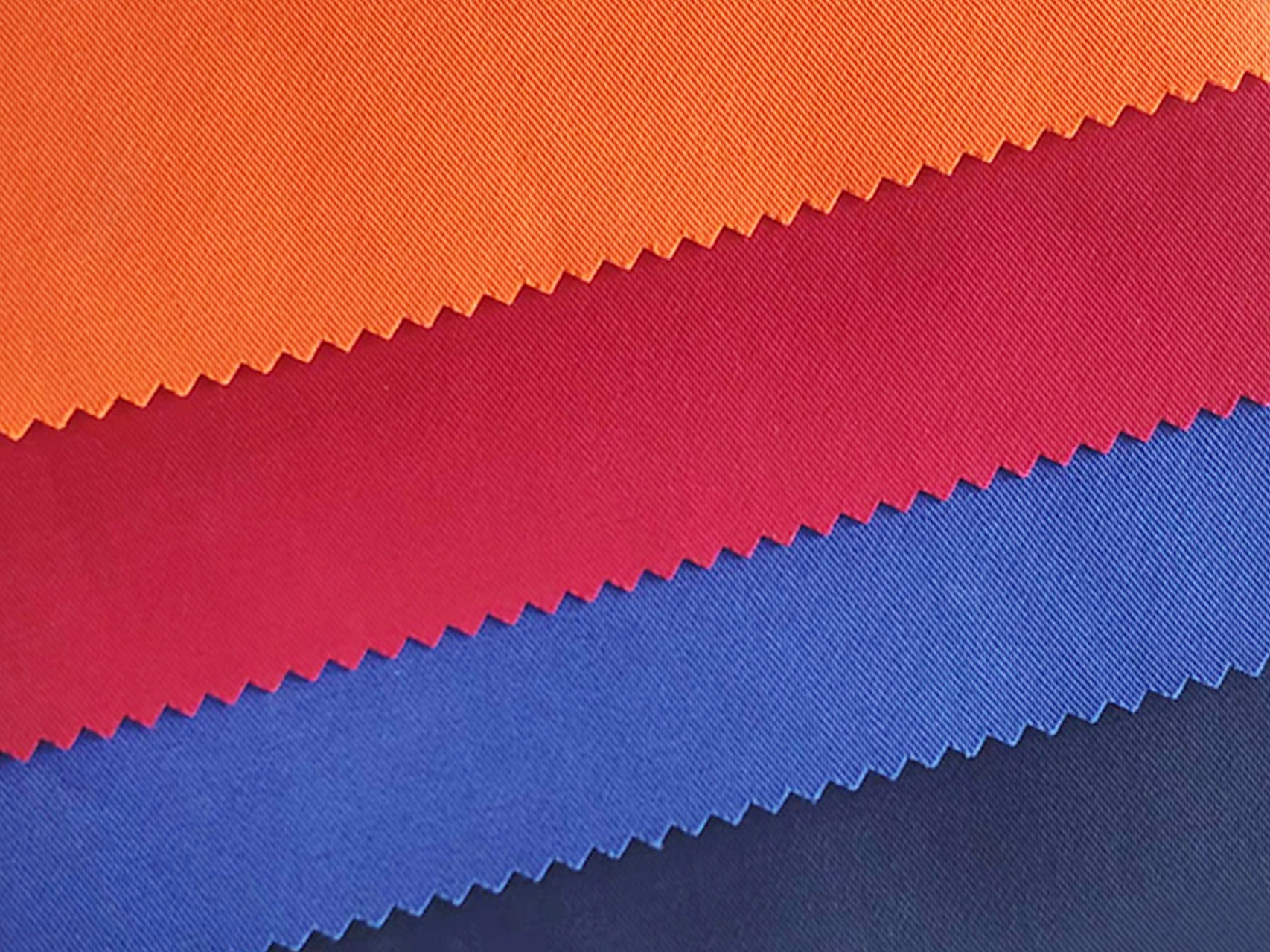
Navigating the world of textile safety can feel like decoding a complex puzzle. At its heart, the rules exist to shield consumers from hidden dangers—things like allergy-triggering dyes, skin-irritating chemical residues, or accessories that pose choking hazards. While each market has its own legal framework, most reputable brands voluntarily align with internationally recognized benchmarks. These aren't just bureaucratic hurdles; they're a practical toolkit for making fabrics genuinely safe, from the thread to the finished garment.
A cornerstone of this effort is the OEKO-TEX® STANDARD 100, which tests every component—fabric, buttons, zippers, even the labels—for a long list of harmful substances that aren't yet fully regulated everywhere. It sets strict limits for things like formaldehyde, heavy metals, and pesticides. On the regulatory side, Europe's REACH regulation casts a wide net, restricting over a thousand chemicals used in clothing production, while the U.S. Consumer Product Safety Improvement Act focuses heavily on children's wear, mandating things like lead-free snaps and sleepwear that resists catching fire. The real challenge for manufacturers isn't just meeting one standard but juggling multiple overlapping requirements without drowning in paperwork.
Behind every certificate or test report is a rigorous process of risk assessment. It starts with understanding the product's life cycle—will a baby chew on it? Is the fabric meant to be worn next to the skin all day?—and then designing out the hazards. Fast fashion's obsession with speed and cost-cutting sometimes clashes with these protocols, but the best brands see compliance as a creative constraint rather than a brake on innovation. After all, a textile that can't harm its user is the baseline definition of good design, not an optional extra.
Balancing Protection with Wearable Comfort
The perfect wearable protective gear is one you barely notice you have on. It’s an intricate dance between guarding the body and granting freedom of movement. Achieving that requires materials and designs that flex with you, wick away sweat, and avoid chafing, all while meeting rigorous safety standards. When protection becomes a second skin, it stops being a burden and starts being a natural extension of your active lifestyle.
Striking this balance often hinges on high-tech fabrics that distribute impact forces without stiffening. Flexible armor panels, aerated foams, and seamless construction let you bend, twist, and reach as if you were wearing nothing at all. The goal is to strip away bulk so you can focus entirely on the experience, whether you're racing down a mountain or navigating a busy worksite. Comfort becomes the glue that keeps the gear in place and your mind at ease.
In real-world use, the payoff is immediate: you stay cooler, less fatigued, and more confident because the gear moves with your body rather than against it. This design philosophy transforms protective wear from a grudging necessity into something you actually look forward to putting on. It’s about honoring the human form—its curves, its heat, its need to breathe—while never compromising on the primary mission of keeping you safe.
The Role of Innovation in Durable Fire Resistance
Innovation reshapes how we approach durable fire resistance, moving beyond simply adding more protective layers. It’s about rethinking material chemistry at the molecular level, developing smart intumescent coatings that respond dynamically to heat, and engineering composites that maintain structural integrity even after prolonged exposure. These breakthroughs aren't just incremental improvements; they fundamentally alter the lifespan and reliability of fire protection in real-world conditions.
Real durability comes from systems that self-diagnose and adapt. Emerging technologies embed micro-sensors within fire-resistant materials, providing real-time data on wear and thermal stress. This allows for predictive maintenance rather than reactive replacement, drastically extending service life. Meanwhile, nanotechnology enables the creation of barriers that are thinner yet more resilient, reducing weight without sacrificing safety—a critical advantage in aerospace and high-rise construction.
The true measure of innovation lies in turning laboratory potential into field-ready solutions. Collaborative efforts between material scientists, fire engineers, and industry have led to coatings that survive decades of environmental exposure without degrading. These solutions are rigorously tested not just against standardized flames but against the chaotic variables of actual fire scenarios. It’s this relentless push for practical durability that transforms advanced concepts into everyday protection.
Selecting a Reliable Fabric Supply Partner
Choosing a fabric supplier goes beyond comparing prices and lead times; it requires a careful evaluation of their track record. Request samples from multiple past orders, not just the one they hand-pick for you, to check for consistency in color, weight, and hand feel across batches. A supplier who openly shares their quality control logs and invites you to their factory floor is already ahead of those who rely solely on polished catalogues.
Communication style reveals a lot about long‑term reliability. Notice how they handle uncertainty—do they push for a fast commitment, or do they ask about the garment’s end use and washing requirements before recommending a weave? A partner who probes your design intent and flags potential shrinkage or pilling risks saves you from costly reworks later. Pay attention to their responsiveness to small custom requests: a mill that experiments with a new blend to match your pantone rather than forcing an existing stock color shows genuine collaboration.
Test their supply chain resilience with a modest trial run. Place a repeat order with slightly altered specs to see if the entire process, from dyeing to shipping, mirrors the first delivery. The best partners maintain meticulous records and can reproduce results even when key staff change. Also, ask for references not from their biggest accounts but from mid‑size brands that have worked with them for at least three seasons—these peers will give you unfiltered insight into how the supplier behaves when deadlines tighten or raw material prices spike.
Sustainability in Flame Retardant Textile Production
The shift toward greener flame retardant textiles isn't just a trend—it's a necessity driven by tighter environmental regulations and consumer demand. Manufacturers are moving away from halogenated compounds that persist in ecosystems, instead exploring bio-based alternatives derived from sources like chitosan, phytic acid, and proteins. These naturally sourced solutions break down more easily and often require less aggressive chemistry during application, reducing water and energy use throughout the production cycle.
Process innovation plays an equally vital role. Techniques such as plasma treatment and layer-by-layer assembly allow for precise deposition of flame retardants without the heavy wastewater streams associated with traditional pad-dry-cure methods. By optimizing application at the nano or molecular level, mills achieve effective fire protection while minimizing chemical loading—a win for both safety and environmental footprint. Some facilities are even closing the loop by recycling process water and capturing thermal energy from drying stages.
Lifecycle thinking is reshaping how the industry views flame retardant textiles. Rather than focusing solely on the durability of the finish, forward-thinking brands consider what happens at end of life. Designing for disassembly or biodegradability without compromising fire safety remains a challenge, but progress is evident in coatings that lose their retardant properties only when exposed to specific conditions, allowing for cleaner material recovery. Collaborative efforts between chemical suppliers and textile mills are crucial to scale these solutions beyond the lab.
FAQ
Flame retardant fabrics are either woven from inherently fire-resistant fibers like aramid or modacrylic, or treated with chemical finishes that react when exposed to heat. These finishes can promote charring, release water vapor, or form a protective barrier that cuts off oxygen to the flame. The goal is to slow ignition, reduce heat release, and prevent the fire from spreading.
Specialized suppliers understand the rigorous testing and certification landscape, stay current with evolving safety regulations, and can provide technical documentation that general vendors often cannot. They also offer consistent quality batches and are better equipped to advise on the right fabric for specific hazard environments, reducing liability risks.
You'll find them widely used in oil and gas for protective coveralls, in firefighting for turnout gear, in the military for combat uniforms, in hospitality for drapery and upholstery, in healthcare for bedding, and in transportation for aircraft and train interiors. Each setting demands different levels of protection and durability.
In the US, NFPA 701 is common for draperies, while NFPA 2112 addresses flash fire protection for industrial clothing. In Europe, EN 11612 covers heat and flame, and EN 13773 is for curtains. Also watch for ASTM E84 for building materials. A credible supplier will provide test reports from recognized labs like UL or Intertek.
Look beyond price and check their track record with clients in your industry, ask for sample certifications and traceability of the fiber source. On-site audits, even virtual ones, reveal a lot about their quality control. Ask for washed and unwashed test data—some chemical finishes degrade after laundering, so you need to know the fabric's lifespan under real conditions.
Historically, some treatments made fabrics stiff or reduced breathability, but modern finishes and inherent fibers have closed the gap. For example, treated cotton can remain soft and maintain strength through dozens of industrial washes. Inherent fabrics like Nomex retain their protective properties for the life of the garment without re-treatment, making them ideal for demanding workwear.
Forward-thinking suppliers are moving toward halogen-free and heavy-metal-free formulations, using bio-based flame retardants where possible. They also participate in take-back programs or offer recyclable mono-material fabrics. When evaluating a supplier, ask about their chemical management policies and any eco-labels like OEKO-TEX or bluesign that verify reduced environmental impact.
Inherent fabrics have the protection built into the polymer chain, so they won't wash out or wear away. Treated fabrics rely on a chemical finish that can diminish over time, especially with harsh laundering or environmental exposure. For applications where the garment is expected to last years and face frequent use, inherent fabrics often provide better lifecycle value and consistent safety margins.
Conclusion
The modern flame retardant fabric industry relies on a deep understanding of chemical and material technologies that inhibit ignition and slow fire spread without compromising textile integrity. Suppliers work at the intersection of science and practicality, engineering solutions that meet rigorous global safety standards such as NFPA 701 or ASTM E84 while ensuring the final product remains wearable, breathable, and aesthetically pleasing. Achieving this balance between protection and comfort demands careful fiber selection, advanced coating techniques, and continuous innovation. Durable flame resistance is no longer just about adding chemicals; it involves inherent fiber properties and treatments that survive repeated industrial laundering, making these fabrics reliable for protective workwear, hospitality, and transportation.
Choosing a dependable supply partner goes beyond product specifications—it requires evaluating a manufacturer’s commitment to quality control, testing transparency, and adherence to evolving regulations. The best suppliers also champion sustainability, developing eco-friendly processes that minimize water and chemical use while recycling production waste. They invest in research to extend the life cycle of flame retardant textiles, reducing environmental impact without sacrificing safety. In a market where performance and responsibility are equally demanded, the most trusted suppliers integrate technical expertise, ethical production, and agile innovation, ensuring that every yard of fabric delivers unwavering protection and long-term value in the most demanding environments.
Contact Us
Contact Person: Sandy
Email: [email protected]
Tel/WhatsApp: 86150 8310 5120
Website: https://www.frdrotex.com