

Fatty Alcohol Polyoxyethylene Ether: Key Industrial Uses and Emerging Trends
2026-08-07
From cleaning formulations to construction chemicals, fatty alcohol polyoxyethylene ethers are quietly powering some of the most essential processes in modern industry. Their unique ability to act as emulsifiers, wetting agents, and dispersants has made them indispensable—yet emerging trends in green chemistry and nanomaterial synthesis are pushing their potential even further. At HAISEN, we recognize that staying ahead means understanding both the proven applications and the disruptive innovations reshaping this surfactant class. In this post, we’ll explore the key industrial roles driving demand today and the breakthroughs that could redefine their future.
How Fatty Alcohol Polyoxyethylene Ethers Transform Industrial Processes
Across manufacturing floors, the quiet integration of fatty alcohol polyoxyethylene ethers has rewritten the rules of emulsification and dispersion. Their molecular architecture—a hydrocarbon tail paired with a flexible ethylene oxide chain—lets them slip between oil and water phases with minimal energy input, stabilizing blends that would otherwise collapse. This means faster mixing cycles and less waste, particularly in coatings and agrochemical formulations where consistency is non-negotiable.
Beyond surface tension adjustments, these nonionic surfactants are reshaping process efficiency in unexpected corners. In textile pretreatment, they coax stubborn waxes and soils from fibers at lower temperatures, slashing energy demands without sacrificing output quality. They also serve as couplers in concentrated cleaners, bridging ingredients that normally resist each other, allowing for compact formulations that simplify logistics and reduce chemical footprints.
The Expanding Role of Nonionic Surfactants in Modern Manufacturing
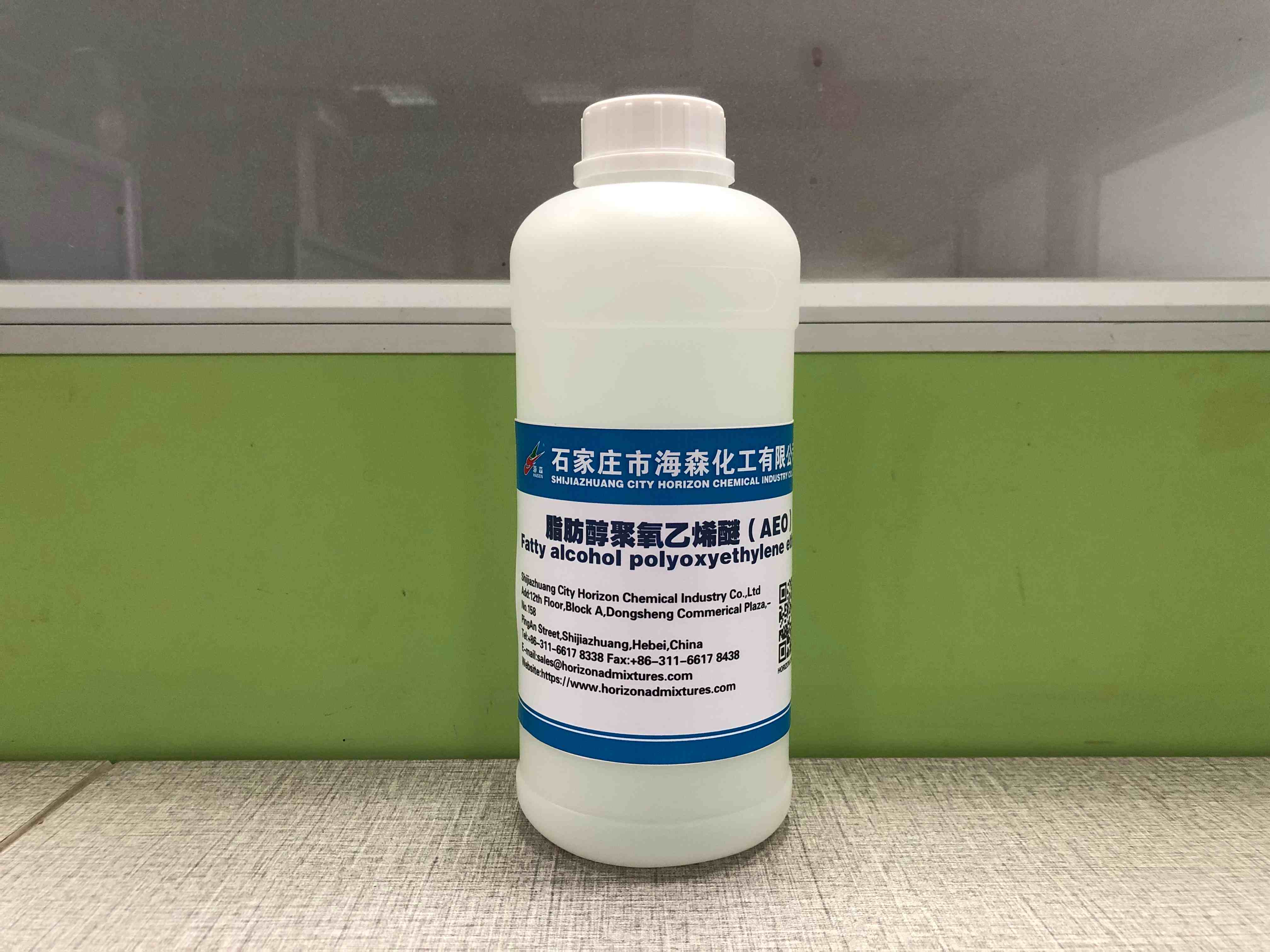
Nonionic surfactants have quietly become indispensable across a wide range of manufacturing sectors, from coatings and adhesives to personal care and agricultural formulations. Their unique chemical structure, which lacks a charged head group, allows them to perform exceptionally well even in hard water or highly saline environments where ionic surfactants would struggle. This inherent versatility has led to a steady increase in their adoption, particularly as industries push toward more efficient, lower-foaming, and environmentally compatible processing aids.
What truly sets nonionic surfactants apart is the sheer tunability of their performance—by simply adjusting the ratio of hydrophilic to lipophilic segments, formulators can fine-tune wetting, emulsification, or detergency for a specific application. In automotive coatings, for example, carefully selected alcohol ethoxylates improve pigment dispersion and substrate wetting while minimizing surface defects. Meanwhile, in the fast-evolving world of biopesticides, nonionics serve as gentle yet effective adjuvants that enhance foliar uptake without damaging delicate plant tissues. This balance between efficacy and mildness is driving their growing preference over traditional surfactant classes.
Beyond performance, the sustainability narrative around nonionic surfactants is maturing. A new generation of bio-based and readily biodegradable options—often derived from sugar or natural alcohols—is easing concerns over aquatic toxicity without sacrificing technical capability. Manufacturers are increasingly leveraging these greener chemistries not only to meet regulatory pressure but also to align with brand commitments to circular production. As material science continues to intersect with sustainability goals, nonionic surfactants are poised to become even more central to innovations in formulation chemistry and process engineering.
Why These Compounds Are Critical for Cleaning and Detergency
At the heart of any effective cleaning product lies a carefully selected blend of compounds that do more than just make water wetter. Surfactants, for instance, play a dual role by lowering surface tension and dislodging stubborn grime from surfaces, but what really sets a superior formula apart is the synergistic action of builders and enzymes. Builders soften water by sequestering hard minerals, allowing surfactants to perform without interference, while enzymes like proteases and lipases break down protein stains and fats at a molecular level. Without this orchestrated chemistry, you'd simply be moving dirt around rather than removing it.
Equally critical are solvents and alkalinity sources that address the often overlooked challenge of mixed soils. Grease and oil don't dissolve in water alone, so solvents such as glycol ethers penetrate and swell oily residues, making them easier to wash away. Meanwhile, alkaline compounds like sodium carbonate saponify fatty acids—turning them into soap-like substances that can be rinsed clean. This shift in pH also helps maintain emulsion stability, preventing soil from redepositing onto fabrics or surfaces. It's a delicate balance that industrialized cleaning has refined over decades, where even minor tweaks in compound ratios can dramatically affect the outcome.
What often goes unappreciated is how these compounds interact with varying water conditions and surfaces. A surfactant that lathers beautifully in soft water might disappoint in hard water without a proper chelating agent. Similarly, acidic cleaners rely on pH-sensitive compounds to dissolve mineral scale without etching delicate materials. The real art of detergency lies in understanding these dependencies—how a hydrophobic tail grips soil while the hydrophilic head draws it into solution, and how anti-redeposition agents keep the soil suspended. It's this precise interplay that elevates a simple mixture into a high-performance cleaner.
Emerging Applications in Agrochemicals and Beyond
The next wave of agrochemical innovation is moving far beyond traditional crop protection. Researchers are now engineering bioactive molecules that serve dual purposes—acting as selective herbicides while simultaneously enhancing soil microbial health. These compounds are designed to degrade into beneficial nutrients after their protective window closes, effectively feeding the very ecosystems they once shielded. This subtle shift reframes agrochemicals as temporary ecosystem managers rather than persistent chemical intruders, opening doors to practices that merge yield security with regenerative agriculture.
A particularly striking expansion is happening at the intersection of agrochemistry and advanced materials. Lignin-derived microcapsules, once merely carriers for pesticides, are now being reimagined as programmable delivery platforms for pharmaceuticals and industrial enzymes. The same principles that govern controlled release in a cornfield—pH sensitivity, temperature responsiveness, microbial triggers—are proving invaluable in targeted drug therapies and self-healing coatings. It is an unexpected convergence, driven by the demand for precision that farmers have quietly refined for decades.
Perhaps most surprising is the role agrochemical research is playing in climate resilience technologies. Field-tested adjuvants that reduce water evaporation from leaves are being adapted to protect building materials from moisture damage in flood-prone regions. Similarly, plant stress-signaling molecules, originally studied to boost drought tolerance, are informing the design of early-warning biosensors for water infrastructure. These cross-pollinations suggest that agrochemical science is quietly seeding tools for a more adaptable built environment, proving that innovation rarely stays within the furrow it was planted in.
Sustainability Innovations Driving the Next Wave of Development
The shift toward regenerative design is quietly reshaping industries once defined by extraction and waste. Instead of merely reducing harm, new materials and processes are designed to restore ecosystems—think concrete that absorbs CO2 or textiles grown from algae that filter water during production. These aren't fringe experiments; they're scaling fast because they solve multiple problems at once, from resource scarcity to long-term cost efficiency. The companies embracing this mindset aren't just adapting to regulation—they're rewriting the rules of competition.
What's often overlooked is how digital infrastructure enables these leaps. Advanced sensor networks and real-time data analytics now allow supply chains to self-correct, slashing emissions without human intervention. For instance, predictive logistics algorithms avoid empty return trips, while smart grids balance renewable loads by learning consumption patterns. This silent revolution isn't flashy, but it's where the real sustainability gains are compounding—often outside the spotlight of consumer-facing green pledges.
Meanwhile, the concept of waste is being dismantled from the inside out. Industrial symbiosis projects, where one company's byproduct becomes another's raw material, are creating closed-loop systems that defy traditional linear economics. In sectors as diverse as fashion and electronics, modular design is extending product lifecycles dramatically, shifting value from volume to longevity. These interconnected innovations form a quiet backbone for the next wave of development—one where growth and ecological health aren't opposing forces but mutually reinforcing patterns.
Navigating Regulatory Shifts and Environmental Considerations
Keeping pace with evolving regulations demands more than just a reactive stance. Firms are now expected to weave compliance into their operational fabric, anticipating changes rather than scrambling to adapt. This means building flexible frameworks that can absorb new rules without disrupting core activities. From emissions standards to waste management protocols, the breadth of requirements continues to expand, often varying significantly across jurisdictions. A proactive approach involves not only tracking legislative pipelines but also engaging with industry bodies and regulators to shape practical outcomes.
Environmental accountability has moved beyond box-ticking exercises. Stakeholders, including investors and customers, scrutinize how businesses measure and mitigate their ecological footprint. This shift is driving innovation in areas like circular design, where products are conceived with end-of-life recovery in mind, and regenerative approaches that aim to leave ecosystems healthier. Real progress happens when companies stop viewing sustainability as a cost center and start treating it as a driver of long-term resilience. That might mean overhauling supply chains, rethinking material choices, or investing in nature-based solutions that deliver both compliance and competitive advantage.
The interplay between policy and planetary limits is creating new strategic imperatives. Climate-related financial disclosures, for instance, are transitioning from voluntary to mandatory in many markets, forcing a more rigorous assessment of physical and transitional risks. Meanwhile, biodiversity loss and water scarcity are climbing the regulatory agenda. Businesses that treat these intertwined issues as core strategic questions—not just compliance matters—are better positioned to navigate uncertainty. Ultimately, the organisations that thrive will be those that embed environmental thinking into every decision, turning regulatory complexity into a catalyst for meaningful change.
FAQ
Its structure gives it robust wetting, emulsifying, and soil-removal capabilities, which means it boosts cleaning power in both household and industrial detergents without requiring high concentrations. That balance of performance and mildness is hard to match.
It acts as an emulsifier and spreader in pesticide formulations, helping active ingredients coat plant surfaces more evenly. This improves efficacy, reduces runoff, and allows farmers to use less chemicals overall.
Textile mills rely on it for scouring, dye-leveling, and softening. Its ability to remove natural waxes and oils from fibers while maintaining even color distribution is a big reason it's been a staple for decades.
There's a strong push toward bio-based feedstocks and greener ethoxylation processes. Manufacturers are exploring ways to produce it from renewable fatty alcohols—like those derived from palm kernel or coconut oil—while minimizing energy use and byproducts.
While it's generally biodegradable, the breakdown rate can vary and some aquatic toxicity concerns exist. The industry is actively developing versions with narrower ethoxylation ranges and improved ecotoxicity profiles to address these issues quietly but effectively.
Alkyl polyglucosides are sugar-based and often milder, but fatty alcohol polyoxyethylene ether offers broader oil removal, better cost-effectiveness, and more precise HLB tuning. Each has its niche, but the latter remains the workhorse in many heavy-duty applications.
It shows up in leather processing, metalworking fluids, emulsion polymerization, and even some personal care items. Basically, wherever you need a stable emulsion, controlled foam, or surface wetting, you'll likely find it playing a supporting role.
Demand is expected to stay solid because it's hard to replace in many systems, but we'll see more 'designer' variants—tightly specified cloud points, certified biobased content, and full lifecycle assessments becoming selling points rather than afterthoughts.
Conclusion
Fatty alcohol polyoxyethylene ethers have quietly become workhorses across a range of industries, their transformative influence rooted in a simple but powerful molecular design. Blending a hydrophobic fatty alcohol tail with a hydrophilic polyoxyethylene chain grants these nonionic surfactants tunable properties—adjusting the ethoxylation degree lets formulators dial in everything from wetting and emulsification to dispersancy. In textile processing, they level dyes and soften fibres; in metalworking, they stabilise emulsions that cool and lubricate; in personal care, they solubilise fragrances and condition hair without the harshness of ionic alternatives. Their role in cleaning and detergency is where they truly shine, enabling low-foam yet highly effective removal of oily soils across domestic laundry, industrial parts washing, and institutional hygiene. This versatility has cemented their place in modern manufacturing, where process efficiency and product consistency increasingly depend on precisely engineered surfactant systems.
Beyond traditional uses, fatty alcohol polyoxyethylene ethers are carving out new niches. Agrochemical formulations now leverage them as adjuvants that improve pesticide spreading and uptake on leaf surfaces, reducing the needed dose and environmental drift. The push for sustainability is reshaping the entire value chain: producers are shifting toward bio‑based fatty alcohols from palm or coconut sources, developing ethylene oxide from renewables, and engineering molecules that degrade more quickly in the environment. At the same time, tightening regulations on aquatic toxicity and the scrutiny of ethoxylate by‑products like 1,4‑dioxane are driving innovation in purification and process control. These shifts are not just compliance exercises but opportunities to reimagine formulation chemistries for a circular economy, where performance and planetary safety go hand in hand.
Contact Us
Contact Person: Sam Lee
Email: [email protected]
Tel/WhatsApp: 86-311-6617 8338
Website: https://www.horizonadmixtures.com/