

Explosion Proof Reactor Heater Import: Key Steps for a Safe and Smooth Process
2026-07-14
Importing explosion-proof reactor heaters involves navigating hazardous area certifications, rigorous customs checks, and precise engineering standards—one oversight can lead to costly delays or safety risks. Whether you're upgrading a chemical plant or setting up a new line, understanding the import process is the bedrock of a safe, seamless operation. In this guide, we unpack the essential steps, with insights from industry experts like Shenzhou Chemical Industry, whose proven track record in explosion-proof equipment supply helps demystify the journey from supplier selection to final installation.
Decoding Explosion-Proof Standards for Your Reactor Heater
When dealing with reactor heaters in hazardous environments, understanding explosion-proof standards isn't just a regulatory checkbox—it's a fundamental safeguard for your operations and personnel. These standards, such as ATEX in Europe and IECEx internationally, define how equipment must be designed to prevent ignition of flammable gases, vapors, or dust. For your reactor heater, this means every component from the heating element to the terminal enclosure is engineered with containment and temperature control in mind. The goal is to ensure that even under fault conditions, no spark or hot surface can trigger an explosion.
Decoding these standards involves examining the specific protection methods applied. A common approach for heaters is flameproof or explosion-proof housing, where any internal ignition is contained and cooled before it can escape the enclosure. Alternatively, increased safety designs focus on eliminating ignition sources altogether through robust insulation and connection points. For heaters immersed in process fluids, intrinsic safety might be used for control sensors, limiting electrical energy to levels incapable of causing ignition. Recognizing which method suits your reactor's operating environment is key to maintaining both safety and process integrity.
Beyond the technical certifications, real-world reliability demands careful attention to installation and maintenance practices aligned with the standard's requirements. Gaskets, cable entries, and temperature limits must be respected in the field, not just on paper. Regular inspections and adherence to the manufacturer’s guidelines help ensure that the explosion-proof integrity isn't compromised over time. By truly grasping what these standards entail for your reactor heater, you move beyond mere compliance and build a safer, more resilient operation that protects both output and people.
Sourcing Manufacturers That Prioritize Safety Over Savings
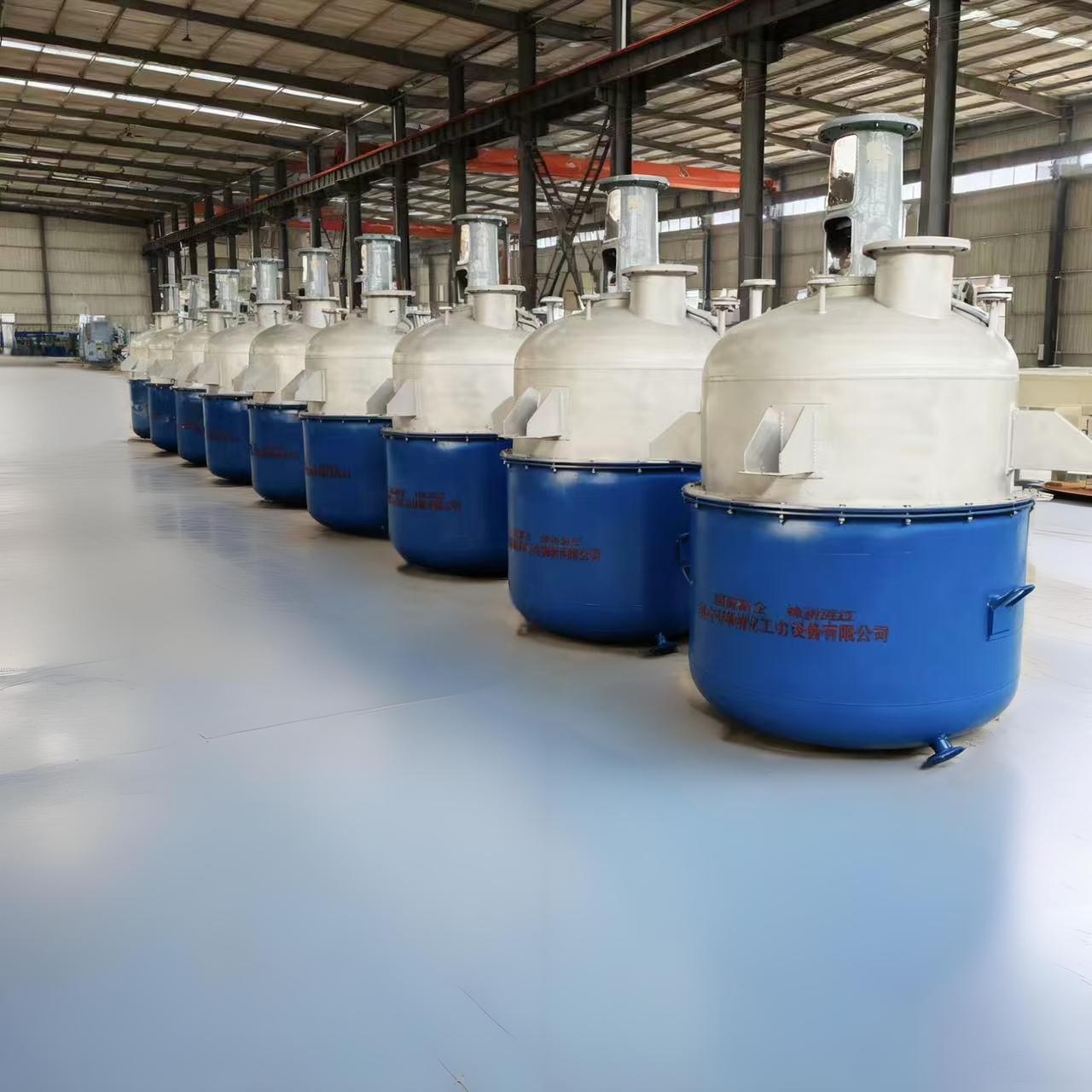
Vetting suppliers for a child's toy is never just about crossing items off a checklist. It's about finding partners who understand that a stuffed animal or a wooden puzzle will be chewed, dropped, and dragged through every corner of a home. The real test of a manufacturer isn't how well they pass a one-time audit, but whether they build safety into the daily rhythm of their production floor. Look for factories where line workers can stop the belt if something feels off, where quality control isn't a department but an expectation that lives in every stitch and seam.
Cost often tells a story before a sample even arrives. When a quote comes back suspiciously low, it rarely signals hidden efficiency—more often, it points to corners cut where they shouldn't be: thinner fabrics, weaker seams, or coatings that haven't earned their trust. The manufacturers worth keeping are the ones who can show you their material traceability, not as a badge of compliance but as a quiet habit. They'll walk you through their testing labs without fanfare and talk about failures as openly as successes, because they know that in a nursery, there is no acceptable margin for error.
Relationships with safety-conscious suppliers run deeper than contracts. They're built on shared values that surface in the small things: how quickly they flag a design flaw, how they handle a batch that barely meets the standard, whether they ship it or scrap it. These are the decisions made when no one is watching, and they define a product long before it reaches a child's hands. Over time, these manufacturers become more than vendors—they become the reason you sleep at night, knowing that every fastening and every fill is there to hold up to a child's wildest moments, not just a lab test.
Securing a Contract That Guards Against Costly Surprises
A common pitfall in project agreements is leaving room for interpretation on what’s actually included. When language is vague, one party’s assumption becomes the other’s change order down the line. To avoid this, spell out deliverables with as much detail as possible—think specific materials, measurable milestones, and even what isn’t covered. This clarity doesn’t just prevent scope creep; it aligns expectations from the start, so you’re not fighting over who pays for a “minor addition” that balloons into a major expense.
Equally important is building a clear process for handling the unexpected. Even the best-planned projects hit unforeseen conditions, so the contract should define how new work gets approved and priced. Requiring written sign-off before any extra work begins keeps both sides honest, and tying payments to verified completion of those approved changes ensures no surprise invoices arrive later. A well-structured change management clause doesn’t just protect your budget—it keeps the working relationship from souring over disputed costs.
Beyond individual change orders, consider built-in financial safeguards. Cap overall costs or the markup on modifications, and insist on periodic budget reviews so you can catch overruns early. Some contracts also benefit from a shared contingency that both parties have a stake in managing, turning cost control into a joint effort. When every dollar is accounted for and surprises are limited to the truly unforeseeable, the project stands a much stronger chance of finishing on terms everyone can live with.
Navigating Global Logistics for Hazardous Equipment
Shipping hazardous equipment across borders isn't just about booking cargo space—it's a high-stakes puzzle involving compliance, safety, and timing. Every country enforces its own regulations, from UN classifications to local permits, and missing a single detail can lead to delays, fines, or worse. The key is to treat logistics as a risk-management discipline, not a mere transaction. This means early engagement with certified dangerous goods specialists who can navigate the maze of IMDG, IATA, and ADR frameworks while coordinating with port authorities and inland transporters familiar with the specific hazards you're moving.
One often-overlooked aspect is the role of infrastructure readiness. Even with flawless paperwork, a shipment can stall if the destination port lacks proper handling facilities or if the route traverses regions with political instability. Forward-thinking logistics partners conduct pre-shipment audits of the entire journey, identifying chokepoints and arranging contingency storage at intermediate hubs. They also leverage real-time tracking and environmental sensors to monitor conditions like temperature, vibration, or pressure—critical for sensitive equipment like lithium batteries or chemical reactors—ensuring immediate intervention if thresholds are breached.
Finally, successful global logistics for hazardous equipment hinges on transparent communication. Silos between manufacturers, forwarders, and end-users can cause last-minute surprises. Building a single source of truth—perhaps through a shared digital platform—keeps everyone aligned on document status, regulatory changes, and delivery milestones. It’s this combination of deep regulatory knowledge, proactive route planning, and collaborative execution that transforms a risky shipment into a predictable, safe operation.
Smoothing Customs Entry with Proactive Documentation
Effective customs clearance begins long before goods reach the border. By gathering and verifying all required documents—such as commercial invoices, packing lists, and certificates of origin—well in advance, you eliminate last-minute scrambles that often lead to errors. This proactive approach not only satisfies regulatory expectations but also instills confidence in customs officers, who are more likely to expedite shipments when paperwork is consistent and complete.
Beyond basic documentation, anticipating tariff classifications and duty rates can prevent costly delays. Conducting pre-entry reviews with trade compliance experts helps identify potential red flags, like misclassified products or incomplete valuation details. When issues are flagged early, corrections can be made without the pressure of a ticking clock, ensuring that the entry process flows smoothly on the day of arrival.
Finally, establishing a digital archive of standardized templates and past entries creates a repeatable system that reduces manual effort and human error. This living knowledge base allows teams to adapt quickly to new regulations while keeping historical data accessible for audits. The result is a customs entry process that feels less like a hurdle and more like a routine, well-oiled procedure, freeing up resources for more strategic supply chain improvements.
Validating Equipment Integrity Before the First Run
Before any machine sees its initial operational load, a thorough physical and functional inspection forms the backbone of integrity verification. Key structural welds, fastener torque, and alignment of moving parts must be cross-checked against the original engineering specifications. Even minor deviations here can cascade into major failures once the system goes live. Pressure vessels, piping, and rotating assemblies deserve extra scrutiny—non-destructive testing methods like dye penetrant or ultrasonic flaw detection often reveal subsurface defects that visual checks miss. The goal is to catch fabrication or assembly errors while they’re still cheap to fix, not after the first production cycle wreaks havoc.
Beyond the static checks, dynamic validation loops play a critical role in confirming that control systems, safety interlocks, and emergency stops respond precisely as intended. Running the equipment through a series of dry cycles—without process fluids or raw materials—exposes logic gaps in PLC programming or sensor calibration drift. It’s not unusual to uncover that a vibration probe triggers at the wrong threshold or that a speed ramp-up conflicts with the mechanical design envelope. These simulated runs let engineers fine-tune parameters in a controlled, low-risk environment. The data gathered during these trials becomes a baseline for future predictive maintenance, turning a simple pre-startup ritual into a long-term reliability strategy.
Documenting every anomaly and the corrective action taken closes the validation loop. This isn’t about generating paperwork—it’s about creating a traceable record that proves due diligence and supports any future troubleshooting. When the final sign-off happens, it should reflect a collective judgment from the commissioning team that the equipment isn’t just built, but truly ready to perform under real-world stress. Skipping or shortcutting these steps might save a day in the schedule but can result in months of unplanned downtime once hidden flaws surface during full-rate production.
FAQ
Start by identifying the specific heating requirements of your reactor setup, including temperature range, watt density, and material compatibility. Then check the electrical and safety standards of your destination country to ensure the heater meets local regulations.
Look for ATEX certification for Europe, IECEx for global recognition, and UL or CSA for North America. These certifications verify that the heater can operate safely in hazardous environments without igniting flammable gases or dust.
Work closely with the manufacturer to customize flange sizes, immersion lengths, and mounting positions. Ask for detailed engineering drawings and verify that the heater’s maximum operating pressure and temperature exceed your process conditions.
Explosion-proof equipment often falls under dangerous goods classifications. Improper labeling or paperwork can cause customs delays. Use a freight forwarder experienced in hazardous materials and ensure all documentation, including material safety data sheets and certificates of origin, is precise.
Only qualified electricians should install the heater, following both the manufacturer’s instructions and local electrical codes. After installation, conduct an exhaustive test run that includes checking earth continuity, insulation resistance, and verifying that the temperature control system responds correctly.
A dependable supplier will offer technical support for troubleshooting, spare parts availability, and possibly on-site assistance during startup. They should also provide a comprehensive user manual and maintenance guides to help you avoid operational issues down the line.
Yes, but it requires careful planning. Confirm that the heater’s terminal box and sensor connections are compatible with your DCS or PLC. Some suppliers can pre-wire the heater to accept standard communication protocols, which simplifies integration.
Regular inspections of the heating elements, thermocouples, and explosion-proof enclosures are mandatory. Keep a log of insulation resistance values over time; a gradual decline can predict element failure. Also, schedule periodic recalibration of temperature sensors.
Conclusion
Importing an explosion-proof reactor heater is a complex undertaking that demands meticulous attention to safety, compliance, and logistics. The first critical step is deciphering the applicable explosion-proof standards—be they ATEX, IECEx, or regional certifications—to ensure the equipment matches the hazardous environment classification of your facility. This foundational knowledge guides the selection of manufacturers who genuinely prioritize safety over cost-cutting, as cutting corners on flame paths, thermal protection, or pressure-resistant enclosures can lead to catastrophic failures. When sourcing, look beyond marketing claims and verify that suppliers have a proven track record, robust quality control, and transparent testing procedures. A well-structured contract is equally essential; it should clearly define technical specifications, accepted certifications, delivery timelines, and penalties for non-compliance, thereby guarding against costly surprises and misaligned expectations.
Once the manufacturing and contractual safeguards are in place, the focus shifts to the intricate logistics of transporting hazardous equipment. Navigating global shipping for classified devices demands specialized handlers who understand the risks of moving pressurized or temperature-sensitive components, often requiring reinforced crating, shock indicators, and climate-controlled containers. Equally crucial is smoothing customs entry through proactive documentation: a comprehensive packet should include the hazardous area classification report, certificates of conformity, material test reports, and a detailed packing list, all prepared well before the shipment arrives. After clearing customs, the final validation phase cannot be overlooked—conduct a thorough integrity check before the first run. This involves inspecting for transit damage, verifying calibration of safety devices, and performing a functional test with inert media to confirm the heater performs as designed, ensuring a safe and seamless integration into your reactor system.
Contact Us
Contact Person: Mr. Wang
Email: [email protected]
Tel/WhatsApp: 8613705299955
Website: https://vip.e-baixing.com/szhgyw