

Energy Storage Systems Which One Is Best for You?
2026-09-06
If you’ve ever stared at a comparison chart of energy storage systems and felt like you needed an engineering degree just to pick the right battery, you’re not alone. Lithium-ion, lead-acid, saltwater, and flow batteries each claim to be the smartest choice, but the real answer depends on how you use energy day to day. That’s exactly why Chang Song skips the sales pitch and focuses on practical trade-offs: cycle life, safety, costs, and what actually works in a blackout. In this guide, we’ll walk through the top contenders side by side so you can choose with confidence—without the technical overwhelm.
Battery Chemistry Face-Off: Lithium, Lead, and the Dark Horse
Lithium gets all the glory, and for good reason—it packs a serious punch per kilogram, shrugs off deep discharges, and has become the default for everything from phones to forklifts. But peel back the hype and its downsides start to show: thermal runaway risks, a supply chain tangled in geopolitics, and a price tag that can make fleet managers wince. Lead, on the other hand, is the reliable old workhorse. It's cheap, almost endlessly recyclable, and shrugs off abuse that would send a lithium cell to an early grave. Yet it's heavy, sluggish to charge, and its energy density is laughable by modern standards.
Then there's the dark horse—sodium-ion. For years it lingered in labs as a quirky alternative, but recent breakthroughs in hard carbon anodes and Prussian blue cathodes have pushed it into real-world trials. Sodium is abundant in seawater and salt deposits, which means no more fighting over cobalt or nickel. Its energy density sits awkwardly between lead and lithium, and its cycle life is still improving, but it doesn't burst into flames when punctured, and it charges fast even in freezing temperatures. For grid storage or urban delivery vans that don't need extreme range, that compromise starts to look like a sweet spot.
The real question isn't which chemistry wins, but which one wins for what. Lithium will continue to dominate portable electronics and long-range EVs. Lead will keep chugging along in backup power and starter batteries where cost trumps weight. And sodium-ion? It might just carve out the middle ground—cheap enough to scale, safe enough to install indoors, and energy-dense enough to make a daily commute without drama. The face-off isn't about a single champion; it's about three very different tools finally learning to share the same toolbox.
Why Your Energy Bill Holds the Answer to the Right Size
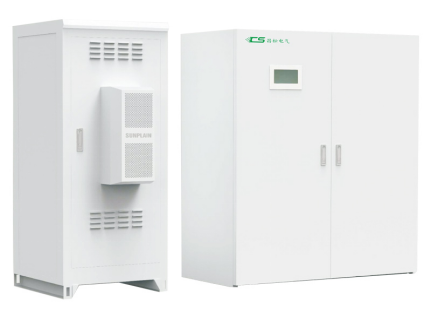
Look past the monthly total for a second. A bill that spikes in short, sharp bursts during mild weather often means your system is cycling on and off more than it should. That stop-start behavior is typical of an oversized unit — it cools or heats the space so quickly that it shuts down before completing a full cycle, then kicks back on minutes later. Each restart draws extra power, and that pattern shows up as a higher bill even when you didn't run the system any harder.
On the flip side, a unit that's too small rarely shows a dramatic spike. Instead, it produces a steady, stubborn climb in usage as outside temperatures move away from comfortable. The equipment runs almost nonstop, struggling to reach the thermostat setting, and the bill stays elevated across the entire season. If your provider gives you daily or hourly data, look for days where the system ran more than eight hours straight with no change in indoor temperature. That's not normal operation; it's a size problem.
Compare bills from two days with nearly identical weather. If one day used 25% more electricity than the other and your routines were the same, the difference probably isn't the weather or your habits — it's the equipment working against itself. Bring those specific dates and usage numbers to a contractor. A manual calculation based on square footage alone can miss this, but a year of real usage data rarely lies.
The Hidden Math of Lifespan vs. Upfront Cost
Sticker price is the number most people remember, but it rarely tells you what an item actually costs to own. A $60 pair of headphones that dies after 18 months has a very different financial footprint than a $140 pair that lasts five years. The basic arithmetic is almost too simple: divide the purchase price by expected lifespan, and you get a rough cost per year. What surprises people is how often the cheaper option fails that test once replacement cycles are counted.
Consider two kitchen faucets. One is $70 and tends to corrode or leak after three years. The other is $160 and commonly runs for a decade without trouble. Over ten years, the first faucet may need to be bought three times, totaling $210, plus the time and frustration of installation and disposal. The second costs $160 in the same window. When lifespan differences are this wide, the “bargain” quietly becomes more expensive, even before factoring in tools, plumber visits, or the cost of water damage from a slow leak.
There is also a hidden risk variable. A manufacturer might claim a long lifespan, but real-world longevity depends on how hard you use the product, whether spare parts are available, and how well you maintain it. That does not mean you should always buy the most expensive version. It just means the useful question is not “how much does it cost now?” but “how much does it cost per year of actual service?” Once you start asking that, the math tends to expose which price tag was the real illusion.
When Your Roof Decides: Solar Integration Quirks
Most installers look at compass direction first, but the roof's pitch can quietly sabotage a perfect south-facing plan. A steep 45-degree slope might boost winter output, yet in July it turns panels into heat traps, pushing cell temperatures past their comfort zone and shaving off 8–10% of rated power. Meanwhile, a shallow 15-degree roof collects dust and pollen like a shelf, requiring more frequent cleaning to avoid slow, invisible losses.
Roofing material matters more than the glossy brochure suggests. Asphalt shingles are forgiving, but slate or clay tile roofs force installers to use specialized hooks and standoffs, adding half a day of labor and a few hundred dollars per array. Worse, some metal standing-seam roofs demand clamp systems that void the roof warranty if applied incorrectly— a detail rarely mentioned until the contract is already signed.
Shade analysis tools look precise on a laptop, but they miss the creeping reality of a neighbor's oak tree gaining two feet of canopy each year. A string inverter setup that performed beautifully in March can lose an entire afternoon's production by August, not because the panels failed, but because the roof's shadow map is a living, shifting thing. Microinverters or power optimizers soften the blow, but only if someone bothered to ask about tree growth during the site visit.
Off-Grid, Backup, or Bill-Shaving: Pick Your Battle
Most people start their energy storage journey with a vague desire to use less grid power, but the system you build looks very different depending on which problem keeps you up at night. If you want to disappear from the utility map entirely, that is an off-grid design where the battery bank and solar array must cover your worst weeks of cloudy weather — no grid fallback, no compromises. If you just want to keep the fridge running when a storm knocks out the lines, a much smaller backup system can handle that with a modest battery and a transfer switch. And if your goal is to trim the monthly bill by charging cheap power at night and discharging during peak rates, you are really buying a financial tool more than an emergency device.
Trying to serve all three goals at once usually ends up costing more than picking a primary battle. A true off-grid setup demands oversizing panels and batteries enough to ride through days of low sun, while a bill-shaving battery can be sized to match your daily usage pattern without worrying about a week-long blackout. Backup systems, on the other hand, only need to cover a handful of essential circuits — lights, fridge, maybe a medical device — for a few hours or a day. Once you know which battle you are fighting, the equipment list stops looking like a mystery box and starts looking like a simple shopping list.
What Installers Won’t Tell You About Maintenance
Most installers will hand you the warranty card and say the system is built to last, but what they leave out is that the lifespan depends almost entirely on small, unglamorous upkeep. Filters, seals, and connectors are rarely mentioned on installation day, yet skipping them for even a few months can quietly turn a minor issue into a full replacement. The truth is that many so-called low-maintenance setups still need a seasonal check, and no one volunteers that information unless you ask the right questions.
Another thing you won't hear is how much of the maintenance cost gets pushed down the road. The initial quote looks clean because it doesn't include the price of replacement parts, labor for tune-ups, or the emergency call-out fee when something fails at midnight. A worn gasket or a clogged drain line might cost ten dollars to fix early on, but if it's ignored, it can ruin adjacent components and turn a simple repair into a four-figure job. Some installers are counting on that eventual callback, so they keep the preventive schedule vague on purpose.
The most useful secret, though, is that a lot of routine care is neither complicated nor expensive—if you know where to look. Manuals are often written to protect the manufacturer, not to teach you, and the installer's final walkthrough is usually rushed. Learning to spot early warnings like a faint rattle, a slight temperature drift, or a musty smell can save you from the worst surprises. None of this gets printed on the brochure, but it's exactly what determines whether your installation lasts five years or twenty.
FAQ
Start with your daily energy usage pattern and whether you need backup for outages or mainly to shift solar power to evening. That single distinction filters out a lot of choices.
Not necessarily. They offer high energy density and long cycle life, but if you have a tight budget and only need occasional backup, a quality lead-acid bank might serve you better despite lower upfront efficiency.
Flow batteries become attractive when you need many hours of discharge daily and have space for tanks. They tolerate deep cycling well, but they're bulky and more complex, so smaller homes rarely benefit.
Generators are cheaper per kilowatt-hour for long outages, but they need fuel storage and maintenance. Batteries give instant switchover and silent operation, so many people combine a smaller battery with a generator.
It's generally not advised unless the manufacturer explicitly supports it. Different voltage curves and charge profiles can cause imbalance, shorten lifespan, and void warranties.
Plan for inverter compatibility upgrades, possible electrical panel work, installation labor, permitting fees, and if you want whole-home backup, a critical loads subpanel. Those easily add 30–50% to the project.
Lithium-ion and sealed lead-acid are mostly hands-off—occasional firmware updates and checking connections. Flooded lead-acid needs water top-ups and ventilation. Flow batteries need pump and electrolyte checks.
Usually yes if you plan to stay in the home more than five years. Warranties often cover throughput or cycle count, and a ten-year warranty with a reputable brand can save you from expensive replacements.
Conclusion
Choosing the right energy storage system rarely starts with a spec sheet. Lithium-ion grabs headlines for its density and cycle life, while lead-acid still hangs on because it's cheap and recyclable—but don't sleep on nickel-zinc or saltwater batteries if your charge cycles stay shallow. The real sizing clue sits in your monthly utility bill: tally your daily kilowatt-hour swings, especially the evening peak when solar fades. Oversizing wastes money; undersizing turns a battery into an expensive paperweight. Then there's the hidden math. A $4,000 lead-acid bank that dies in four years may actually cost more per stored kilowatt-hour than a $7,000 lithium pack that hums for a decade, once you factor replacement labor and downtime.
Your roof often has a louder voice than you think. String inverters, microinverters, and DC-coupled systems all change how a battery charges, clips, or curtails under partial shade—so a panel layout that works fine without storage can turn finicky with it. Before you buy, decide what battle you're fighting: total off-grid independence, silent backup for blackouts, or just shaving demand charges. That choice shifts the ideal chemistry, capacity, and inverter type. And ignore the glossy maintenance-free brochures. Lead-acid needs watering and terminal cleaning; lithium wants firmware updates and temperature-controlled enclosures; even "sealed" units can suffer from corroded breakers or loose torque settings. The installer may not mention that a battery in an unconditioned garage loses 10–15% of its usable capacity in a cold snap. Run the numbers for your actual load profile, add a 20% buffer for cloudy weeks, and you'll find the best system is the one sized to your habits, not the one with the biggest marketing budget.
Contact Us
Contact Person: Tonglun Chen
Email: [email protected]
Tel/WhatsApp: 8618906642555
Website: https://www.cncsele.com