

Electrical Transformers in China: Innovations and Applications in Modern Power Systems
2025-12-31
Welcome to our exploration of electrical transformers in China, where tradition meets cutting-edge innovation in modern power systems. As the backbone of energy distribution, transformers play a crucial role in powering everything from bustling cities to remote communities. In this blog, we'll dive into the latest advancements and practical applications that are reshaping the landscape of energy management across the nation. At the forefront of this transformation is Lugao, a brand synonymous with reliability and forward-thinking solutions. Join us as we uncover how these technologies are not just supporting, but actively driving China's energy evolution, and discover why staying informed is key to navigating the future of power. Let's get started!
Cutting-Edge Innovations in China's Electrical Transformer Technology
China's electrical transformer sector has made remarkable strides in recent years, driven by a surge in domestic R&D and strategic government initiatives. Innovations like ultra-high-voltage (UHV) transformers are now a hallmark of Chinese engineering, enabling efficient long-distance power transmission that minimizes energy loss—a critical factor as the country expands its renewable energy grid. These transformers, often designed with advanced cooling systems and smart monitoring capabilities, are not only boosting grid reliability domestically but are also gaining traction in international markets, from South America to Southeast Asia.
Beyond sheer voltage capacity, smart transformer technology is reshaping how power distribution is managed. Chinese manufacturers are integrating AI-driven diagnostics and IoT sensors into transformers, allowing for real-time data on load fluctuations, temperature, and potential faults. This proactive approach helps utilities prevent outages and optimize maintenance schedules, significantly cutting downtime and operational costs. For instance, some new models can self-adjust voltage levels based on demand, enhancing grid stability in urban centers where energy consumption patterns are rapidly changing.
Environmental considerations are also at the forefront of these advancements. Recent breakthroughs include the development of eco-friendly transformers that use biodegradable or less flammable insulating oils, reducing environmental risks in case of leaks. Additionally, manufacturers are focusing on designs with improved energy efficiency, such as amorphous metal cores that cut no-load losses by up to 70% compared to traditional silicon steel cores. As global sustainability standards tighten, China's push for greener transformer solutions positions it as a key player in the global energy transition, with pilot projects already demonstrating tangible reductions in carbon footprints across industrial zones.
Smart Grid Integration: Transformers as Backbone of Modern Power Networks
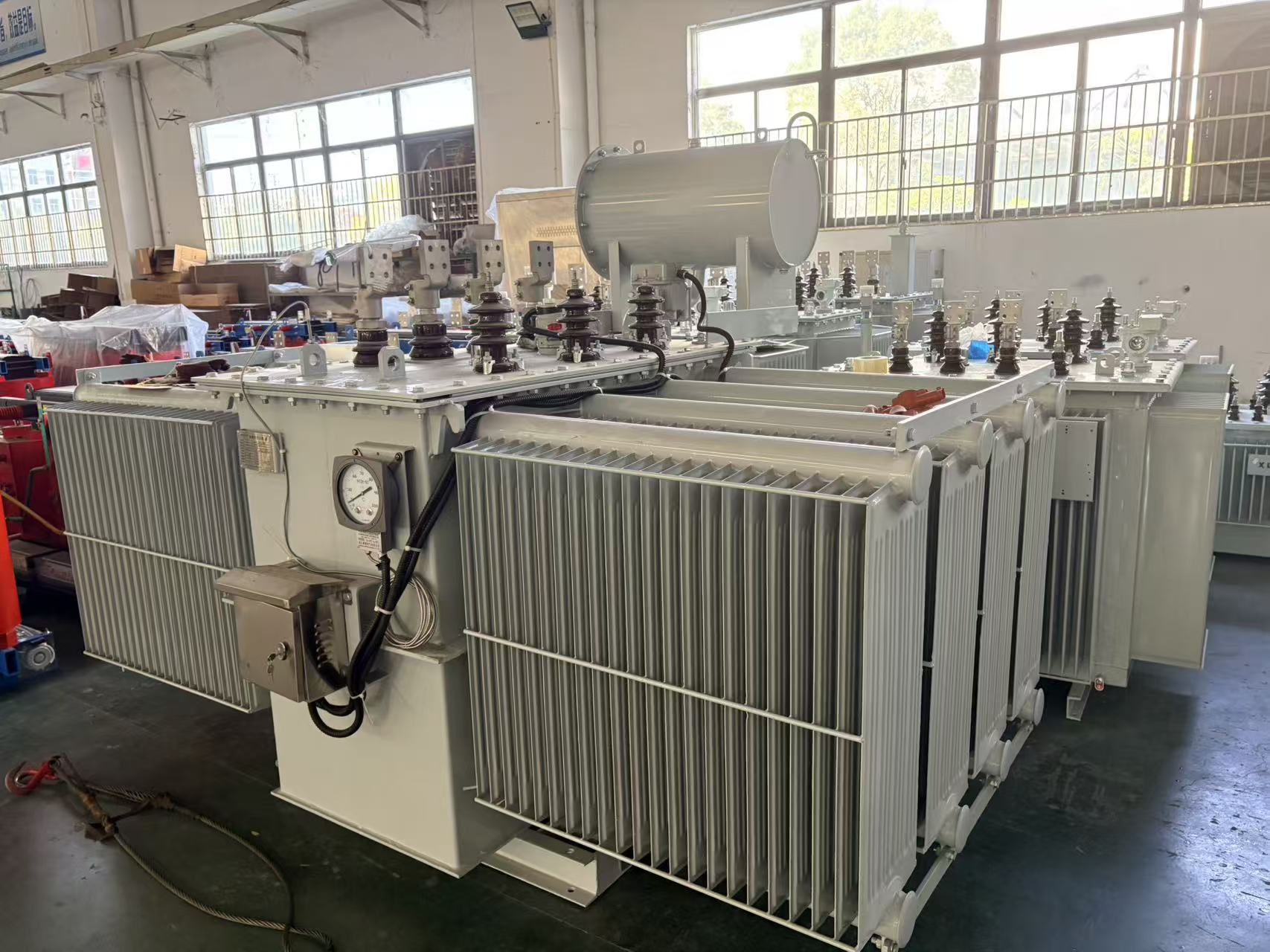
Modern power networks are evolving rapidly to accommodate the influx of renewable energy sources like solar and wind, which pose unique challenges due to their intermittent nature. Smart grid integration has emerged as a critical solution, with transformers playing a surprisingly central role as the backbone of these advanced systems. Unlike traditional setups where transformers merely stepped up or down voltage, today’s smart transformers are equipped with digital sensors and communication capabilities, enabling real-time monitoring and control. This allows utilities to dynamically manage power flow, improve grid stability, and seamlessly incorporate distributed generation, making the entire network more resilient and efficient in the face of fluctuating demands.
What sets these transformers apart isn't just their technical specs but their ability to transform the grid from a passive infrastructure into an active, intelligent entity. By integrating with smart meters, IoT devices, and data analytics platforms, they facilitate two-way communication that optimizes energy distribution and reduces losses. For instance, during peak hours, smart transformers can autonomously adjust voltage levels or reroute power to prevent overloads, ensuring a steady supply without human intervention. This proactive approach minimizes downtime and enhances reliability, which is crucial as our reliance on electricity grows with the rise of electric vehicles and smart homes.
Looking ahead, the role of transformers in smart grids is poised to expand further with innovations like solid-state transformers and AI-driven predictive maintenance. These advancements promise even greater flexibility and sustainability, helping to balance supply and demand in real-time while supporting the transition to a greener energy ecosystem. By acting as the backbone, transformers are no longer just hardware components; they are the intelligent connectors that make our power networks smarter, more adaptive, and ready for the future's energy challenges.
Enhanced Efficiency and Sustainability in Transformer Design and Deployment
In the realm of modern energy infrastructure, transformer design is evolving to prioritize not just performance but also long-term sustainability. By integrating advanced materials like amorphous metal cores and biodegradable insulating oils, manufacturers are slashing energy losses during operation—often by 30% or more compared to conventional models. This shift reduces the carbon footprint of power distribution while cutting operational costs, making it a win for both utilities and the environment.
Deployment strategies are also getting smarter with the adoption of IoT-enabled monitoring systems that predict maintenance needs before failures occur. These predictive analytics tools, combined with modular designs, allow for quicker upgrades and repairs, minimizing downtime and resource waste. For instance, some grids now use transformers that can be partially replaced or retrofitted, extending their lifespan and reducing the need for full replacements.
Beyond technical tweaks, a holistic approach considers the entire lifecycle—from sourcing eco-friendly raw materials to end-of-life recycling programs. Innovations like dry-type transformers eliminate hazardous coolants, while digital twins simulate efficiency gains in real-world scenarios. This forward-thinking blend of efficiency and sustainability ensures transformers are not just reliable today but resilient in a greener future.
Advanced Applications Driving Energy Distribution Across Industrial Sectors
In today's industrial landscape, cutting-edge technologies are reshaping how energy gets allocated and utilized across different sectors. Take smart grids, for instance—they're not just about transmitting electricity anymore. By integrating IoT sensors and real-time data analytics, these systems dynamically adjust energy flow based on demand fluctuations in manufacturing, agriculture, and transportation. This means factories can ramp up production during off-peak hours when energy costs drop, while farms might schedule irrigation pumps to align with renewable energy availability. It's a shift from static, one-size-fits-all distribution to a responsive, sector-specific approach that maximizes efficiency and minimizes waste.
Beyond traditional power grids, advanced applications like AI-driven predictive maintenance are making waves in heavy industries like steel and chemicals. Imagine a refinery where machine learning algorithms analyze equipment performance data to forecast energy needs before a breakdown occurs. This proactive stance allows operators to redistribute energy resources—say, diverting extra power to critical processes or scaling back non-essential operations—ensuring seamless production without sudden outages. Similarly, in the automotive sector, digital twins simulate entire assembly lines, optimizing energy consumption by tweaking variables like lighting and HVAC systems in real-time. These tools don't just save kilowatts; they foster a culture of precision where every joule is accounted for across diverse industrial settings.
Looking ahead, innovations like blockchain-enabled energy trading platforms are set to revolutionize cross-sector collaboration. Picture a scenario where a data center with excess solar power can directly sell it to a neighboring textile plant via automated smart contracts. This peer-to-peer model bypasses centralized utilities, enabling industries to negotiate flexible, tailored energy deals that reflect their unique operational rhythms. Coupled with advancements in energy storage—like next-gen batteries that store surplus wind energy for use in mining operations during peak demand—these applications promise a more resilient, interconnected industrial ecosystem. Essentially, it's about moving beyond mere consumption toward a symbiotic network where energy distribution becomes a strategic asset, driving both economic growth and sustainability goals across the board.
Custom Solutions Tailored to Diverse Power System Requirements in China
In China's vast and rapidly evolving power landscape, custom solutions have become the backbone of meeting the country's diverse and complex energy demands. From the bustling megacities of the east to the remote rural areas in the west, power systems face unique challenges that one-size-fits-all approaches simply can't address. Tailored strategies are essential to integrate renewable sources like solar and wind with traditional grids, ensuring reliability while pushing toward sustainability goals. By focusing on specific regional needs—such as industrial hubs requiring high-voltage stability or coastal zones needing resilience against typhoons—these solutions help optimize performance and minimize downtime, making them indispensable for China's economic growth and energy security.
What sets these custom solutions apart is their ability to adapt to China's varied terrain and infrastructure, blending advanced technologies with local insights. Engineers and planners don't just deploy generic hardware; they design systems that account for factors like extreme weather conditions, population density, and even cultural practices affecting energy usage. For example, in northern provinces with harsh winters, solutions might prioritize heating efficiency and grid durability, while southern regions could focus on cooling loads and flood resistance. This nuanced approach ensures that each power system not only functions smoothly but also evolves alongside China's shifting policies and technological advancements, creating a more resilient and responsive energy network overall.
Looking ahead, the emphasis on customization is driving innovation in smart grids and energy storage, positioning China as a leader in flexible power management. By tailoring solutions to diverse requirements, the country can better handle peak demands, reduce waste, and support emerging sectors like electric vehicles and data centers. It's a dynamic process that encourages collaboration between public and private entities, fostering a culture of continuous improvement. Ultimately, these bespoke strategies aren't just about solving today's problems—they're about building a foundation for a more efficient and sustainable energy future, one that respects China's unique landscape and ambitious vision.
Future Trends: Adapting Transformers for Renewable Energy and Digitalization
As renewable energy sources like solar and wind gain momentum, the role of transformers is evolving beyond traditional power distribution to become intelligent hubs that manage fluctuating inputs. Innovations in transformer design now focus on enhancing efficiency and integrating with smart grids, enabling real-time monitoring and adaptive control to balance supply from intermittent renewables with demand. This shift not only supports greener energy transitions but also paves the way for more resilient power systems.
Digitalization is revolutionizing transformer technology through advanced sensors and IoT connectivity, creating 'smart transformers' that offer predictive maintenance and data-driven insights. By embedding digital tools, these transformers can detect faults early, optimize performance based on environmental conditions, and communicate seamlessly with other grid components. This integration enhances reliability and reduces downtime, making power networks more responsive to dynamic energy landscapes.
Looking forward, the synergy between renewable energy adaptation and digital transformation is driving trends like modular transformer designs and AI-powered analytics. These advancements allow for faster deployment in remote areas and better integration with decentralized energy sources, fostering a more flexible and sustainable infrastructure. As industries embrace these changes, transformers are set to become key enablers of a smarter, cleaner energy future.
FAQ
Chinese manufacturers are focusing on smart grid integration, with innovations like IoT-enabled transformers for real-time monitoring and fault prediction, alongside eco-friendly designs using biodegradable insulating fluids.
They're being optimized for variable loads from wind and solar farms, with features like dynamic voltage regulation and enhanced efficiency at partial loads to handle intermittent power generation.
They often incorporate cost-effective materials and modular designs tailored for rapid deployment in China's expanding grid, while prioritizing scalability over high-end custom features common in Western markets.
Beyond traditional grid distribution, they're used in high-speed rail electrification, urban substations to support dense populations, and industrial parks requiring stable, high-capacity power.
Developments include flame-retardant casings, seismic-resistant mountings for earthquake-prone areas, and automated shutdown systems to prevent overloads and reduce fire risks.
Compact, low-maintenance units are deployed to extend reliable power to remote villages, often powered by localized microgrids or hybrid renewable sources.
Yes, there's a shift toward recyclable components and reduced energy loss during operation, aligning with national carbon neutrality goals and stricter emissions regulations.
Conclusion
China's electrical transformer sector is undergoing a transformative evolution, driven by cutting-edge innovations that enhance both performance and reliability. Key advancements include the development of high-capacity ultra-high voltage (UHV) transformers, which facilitate efficient long-distance power transmission across the nation, and the integration of smart features like sensors and IoT connectivity. These technologies enable real-time monitoring and predictive maintenance, positioning transformers as the backbone of modern power networks. By leveraging these innovations, China is not only improving grid stability but also paving the way for a more resilient and adaptable energy infrastructure that meets the demands of urban and industrial growth.
The push towards sustainability and efficiency is central to China’s transformer deployment, with designs focusing on reduced energy losses and eco-friendly materials. Advanced applications are evident across industrial sectors, from manufacturing to renewable energy integration, where custom solutions are tailored to diverse power system requirements. Looking ahead, future trends emphasize adapting transformers for renewable energy sources like wind and solar, alongside digitalization efforts that enhance grid intelligence. This dual focus on innovation and application ensures that China’s transformers will continue to drive progress in modern power systems, supporting both economic development and environmental goals.
Contact Us
Contact Person: Doreen
Email: [email protected]
Tel/WhatsApp: 8618057712366
Website: https://www.liugaopower.com/