

Electric Heater Import Practical Steps for Reliable Sourcing
2026-08-30
Importing electric heaters isn't just about finding the lowest price—it's about dodging certification gaps, inconsistent quality, and suppliers who vanish after the first shipment. If you've ever been burned by a bad sourcing decision, you know the frustration. This guide walks through the exact practical steps to vet suppliers, verify compliance, and lock in reliable shipments. Along the way, keep an eye on resources from Shenzhou Chemical Industry, a name that's quietly built a reputation for dependable industrial partnerships. Ready to stop guessing and start sourcing with confidence? Let's break it down.
Audit the Factory Floor, Not Just the Brochure
A glossy brochure can hide a multitude of sins. The real story lives in the hum of machinery, the organization of workstations, and the way a supervisor reacts when a bolt snaps. Walk the line yourself. Watch how materials move from dock to line, where inventory piles up, and whether operators pause to solve problems or push past them. These details never make it into marketing copy, yet they decide whether your orders arrive on time and to spec.
Ask to see the floor during second shift, not just the morning tour. The night crew often runs with thinner supervision and older equipment, exposing habits that daylight conceals. Check the maintenance log, not the summary dashboard. A factory that replaces bearings before they fail is different from one that waits for the shriek. That difference shows up in your product six months later.
Finally, talk to someone who works the line, away from managers. A thirty-second conversation about the last quality escape will tell you more than a polished supplier scorecard. If the floor feels calm and deliberate, that’s a good sign. If it feels rushed and improvised, your shipments will eventually feel the same way.
Look for Voltage and Plug Variations Before Sampling
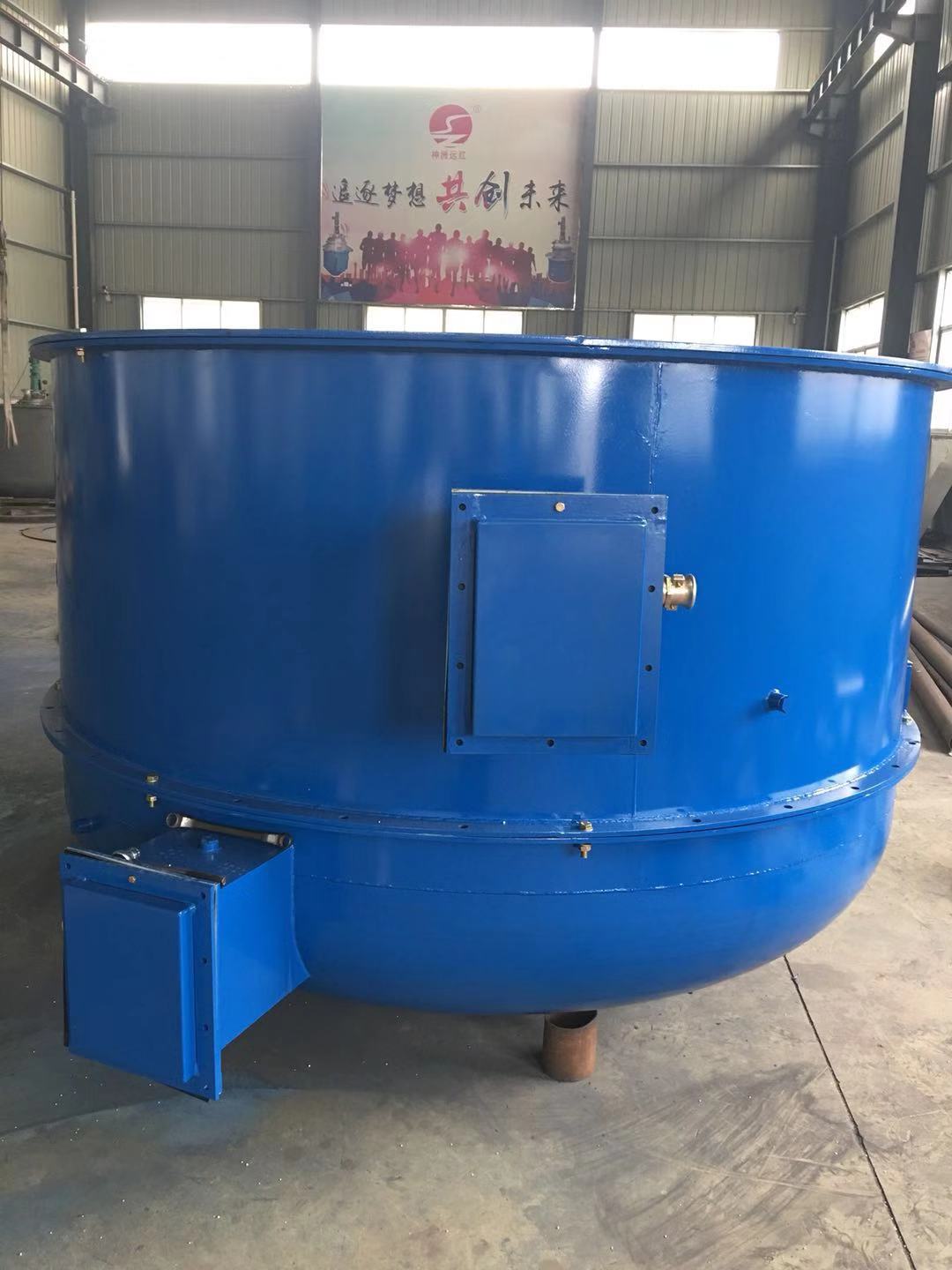
Voltage differences can quietly wreck a sampling program before it ever gets off the ground. A unit built for a 120V North American outlet will not simply work in a 230V European socket without a converter or an internal switch—and many buyers miss this until the first prototype arrives dead or underpowered. Before requesting any sample, check the intended market’s residential voltage and frequency, because a 50Hz motor or heating element can behave very differently from its 60Hz counterpart even when the voltage matches.
Plug formats are another common tripwire. The same product may need a Type B plug for the US, a Type G for the UK, or a Type F for much of continental Europe, and the physical shape is only half the story; grounding pins, polarity, and socket depth vary as well. If you sample only one plug style, you will not catch fit issues, loose connections, or interference with recessed outlets in the target country. Ask the factory to list the exact plug and cord standard for the sample rather than a vague “EU plug” note.
A practical habit is to confirm voltage, frequency, and plug type in the same message that locks in the sample order. This small step prevents rework, keeps the sample timeline intact, and gives your engineering team a realistic unit to evaluate instead of a bench-top compromise. Where possible, request a photo of the actual plug and the rating label before shipping, so you can spot mismatches while correction is still cheap.
Ask for Reference Imports in Your Target Region
Before you commit to a shipment, reach out to local distributors, customs brokers, or trade associations in the region you’re targeting and ask for concrete examples of reference imports. These are products that share a similar category, material composition, or intended use and have already passed through the same regulatory checkpoints. Seeing what has previously been accepted gives you a clearer picture of labeling requirements, packaging tolerances, and documentation standards that aren’t always spelled out in official guidelines. It also helps you spot region-specific nuances—like the exact wording on certificates or the preferred format for invoices—that can delay a first-time entry.
When you ask, be specific about what you need. Instead of a general request for “import examples,” ask for reference imports that match your product’s risk profile or end use. A good local contact can often share anonymized shipment records, test reports, or even the contact details of a company that brought in a similar item last year. Treat these references as a starting point rather than a guarantee; rules can shift between product subcategories, and what passed six months ago may need a revised certificate today. Still, having two or three solid reference points makes your own import plan far less speculative and gives you realistic benchmarks for cost, timing, and compliance.
Tie Payment Terms to Inline Quality Gates
Most payment schedules assume a delivery equals a finished good. But when quality problems surface later, the buyer has already paid for rework. Tying payment terms to inline quality gates changes this: a supplier receives funds only after automated checks inside the production or deployment pipeline confirm that the work meets agreed thresholds. For a fabricated component, that might mean a laser scan at the first station, a torque test at the second, and a final dimensional check before the batch is accepted. If any gate returns a fail, the corresponding payment milestone simply does not trigger.
The contract needs to define each gate as a pass/fail event with a measurable limit, not a vague promise of “good quality.” One practical approach is to split a milestone into two parts: a base amount released when the item passes the final gate, and a smaller quality premium released after a short observation window with no inline faults. This gives the supplier a reason to fix root causes quickly without holding up the entire invoice. It also avoids disputes because both parties can see the sensor logs or test scripts that drive the decision.
There is a real risk of overengineering this. If gates are too strict or change without notice, capable suppliers will either pad their quotes or walk away. The better pattern is to start with two or three gates that already exist in the process, make their pass/fail thresholds explicit, and attach payment clauses only to those. After a few cycles, both sides usually agree on where to add or remove a gate. The result is not a heavier contract but a shorter feedback loop: quality defects become a payment issue immediately, not a warranty claim months later.
Factor Shipping Weight Into Your Landed Cost Model
Freight quotes rarely tell the whole story until you break them down by weight. A 40-foot container might cost $4,500 to move, but if your shipment is 8,000 kg of feather-filled pillows, the per-unit freight burden is far lower than the same container filled with 8,000 kg of cast iron fittings. Carriers bill by chargeable weight, which often means whichever is higher between actual gross weight and dimensional weight. That discrepancy quietly erodes margins on bulky, low-density products unless you bake it into the landed cost formula from the start.
Instead of treating shipping as a flat overhead line, weight it against each SKU. Divide the total freight bill by total chargeable kilograms to get a rate per kilo, then multiply by each item's packed weight. This exposes which products are actually profitable after freight and which ones are just subsidizing their own shipping. It also changes how you negotiate—knowing your average kg rate helps you push for weight breaks or better dimensional factors with your forwarder.
Packaging decisions play straight into this math. Trimming a few centimeters off a carton can drop dimensional weight enough to flip a shipment into a lower rate bracket, especially with air freight or express parcels. Reworking inner packing to nest components or using slightly smaller outer boxes won't just lower the freight invoice; it lowers the landed cost per unit across the entire product line, which is where the real margin recovery happens.
Plan a Pre-Season Buffer for Demand Swings
Building a buffer before the season kicks in means looking past your usual forecasts and accepting that demand will spike or dip in ways you can't perfectly predict. Instead of chasing every signal, set aside a flexible reserve—extra inventory for your top sellers, some unallocated production slots, or a small pool of on-call staff. The goal is to absorb the shock without scrambling mid-season when lead times stretch and costs climb.
A practical approach is to map last year's demand curve against this year's market signals, then deliberately overprepare by ten to fifteen percent for the most volatile weeks. Don't spread the buffer evenly; concentrate it where history shows the biggest swings. For example, if you sell outdoor gear, your buffer should be heavier before the first cold snap, not averaged across the whole quarter. This kind of asymmetric planning keeps cash from getting tied up in low-risk periods while still covering the dangerous ones.
Finally, treat the buffer as a living asset rather than a fixed safety stock. Review it every two weeks once the season starts, and shift resources to whichever product line or region is surprising you. If one category is flat but another is surging, move your extra capacity there. The buffer isn't about being right—it's about staying nimble enough that a wrong guess doesn't cost you the season.
FAQ
Look at the voltage, frequency, and plug type your market requires—this alone eliminates many factories that only build for domestic use. Also ask for existing export certificates like CE, UL, or CSA instead of vague 'quality assurance' claims.
Ask for a recent bill of lading or export declaration to the same region you're targeting. Legit manufacturers can usually provide this without hesitation, while middlemen tend to stall or send heavily redacted documents.
Order at least two samples: one exactly as per the catalogue and one with your modifications. Test both for overheating, tip-over switch, and cord strain relief. Don't skip testing even if the factory says samples are 'premium quality'—that phrase often means nothing.
Set a clear inspection checklist before deposit payment, covering wattage tolerance, surface temperature, grounding continuity, and packaging drop test. Then either hire a third-party inspector or do a video inspection at three stages: pre-production, mid-production, and pre-shipment.
Beyond the unit price, factor in customs duties based on HS code 8516.29, anti-dumping duties if applicable in your country, palletization charges, and possible rework if the cord length doesn't meet local rules. Get a landed cost estimate before negotiating.
If your order volume is under 500 units, a trading company may offer smaller MOQ and handle documentation, but you pay 10-15% extra. For larger volumes, direct factory sourcing makes sense only if you can manage quality control and communication yourself.
Start with 30% deposit and 70% against a copy of shipping documents, not against factory's word. Avoid full payment upfront unless the amount is trivial. For higher-value orders, consider a letter of credit, though many small factories won't accept it.
Conclusion
Reliable sourcing for electric heaters rarely comes down to the lowest quote. It starts with stepping onto the production floor and watching how heating elements are wound, how thermostats are calibrated, and whether the assembly line runs with steady, repeatable controls. Brochures and showroom samples can hide inconsistencies that a day of direct observation will quickly expose. Before committing to samples, narrow down the exact voltage and plug configurations for your target market. A 220V unit with a mismatched plug may look fine in a catalog but becomes a costly return or compliance headache after landing. Ask the factory for contactable importers who have already brought their heaters into your region, and pay attention to what those buyers say about defect rates, after-sales support, and how the units hold up through a cold season.
Payment terms should not be a simple deposit-and-balance arrangement. Instead, tie the remaining payments to inline quality gates—such as pre-production component inspection, mid-assembly testing, and pre-shipment thermal performance checks. This keeps pressure on the supplier to maintain quality throughout the build, not just at the final audit. Too many importers overlook the real cost of shipping weight. Electric heaters are dense; ceramic elements, steel housings, and heavy cords add up fast. Run a landed cost model that includes freight by actual carton weight, dimensional charges, and port handling, not just the factory price. Finally, build a pre-season buffer into your order timeline. Demand swings sharply when temperatures drop, and factories get overloaded. Placing a smaller early order to test the market, then having reserved production slots for a fast reorder, gives you both flexibility and protection against stockouts. These practical steps turn a risky product category into a repeatable sourcing process.
Contact Us
Contact Person: Mr. Wang
Email: [email protected]
Tel/WhatsApp: 8613705299955
Website: https://vip.e-baixing.com/szhgyw