

Cutting Air Compressor Operational Costs in Textile Industry
2026-07-30
In the textile industry, compressed air systems often account for a staggering portion of energy bills—sometimes up to 30%. With margins tightening and sustainability goals looming, finding ways to slash these costs without disrupting production is no longer optional. Imagine reducing your air compressor energy consumption by half while maintaining peak performance. That's where Seize Air steps in, challenging conventional wisdom and offering fresh, practical strategies. This post delves into actionable insights that go beyond generic advice, uncovering hidden inefficiencies and revealing how smart adjustments can lead to game-changing savings. Curious how a few targeted tweaks can transform your bottom line? Read on.
Rethinking Air Demand in Spinning and Weaving Processes
Air consumption in spinning and weaving often gets treated as a fixed overhead—just the cost of doing business. But when you start pulling apart the numbers, you realize how much compressed air is wasted through leaks, pressure drops, and outdated nozzle designs. Many mills operate at higher pressures than necessary simply because “that’s how we’ve always done it.” By rethinking air demand as a variable you can actively manage, savings of 20–30% are not unusual without compromising yarn quality or loom performance.
The real shift comes from mapping actual usage against theoretical requirements. For instance, ring spinning frames with improperly sized suction tubes can bleed air, while weaving machines with choked filters demand extra compressor output just to maintain baseline. Instead of assuming uniform demand, profiling the real-time needs across shifts and machine types reveals peaks and valleys that let you right-size compressors and storage. It’s not about slashing supply but smoothing it—matching output to the true demand curve rather than a blunt oversupply.
There’s also a cultural angle. Maintenance teams need to treat air as a utility with a direct cost per cubic meter, not an invisible resource. Small changes like auditing coupling seals, installing flow meters at critical branches, and automating drain valves add up. When operators become aware of the cost of a hissing leak, behaviour shifts. Rethinking air demand isn’t a one-off project; it’s a continuous practice of questioning assumptions about what each process really needs.
Leak Audits That Actually Pay Off
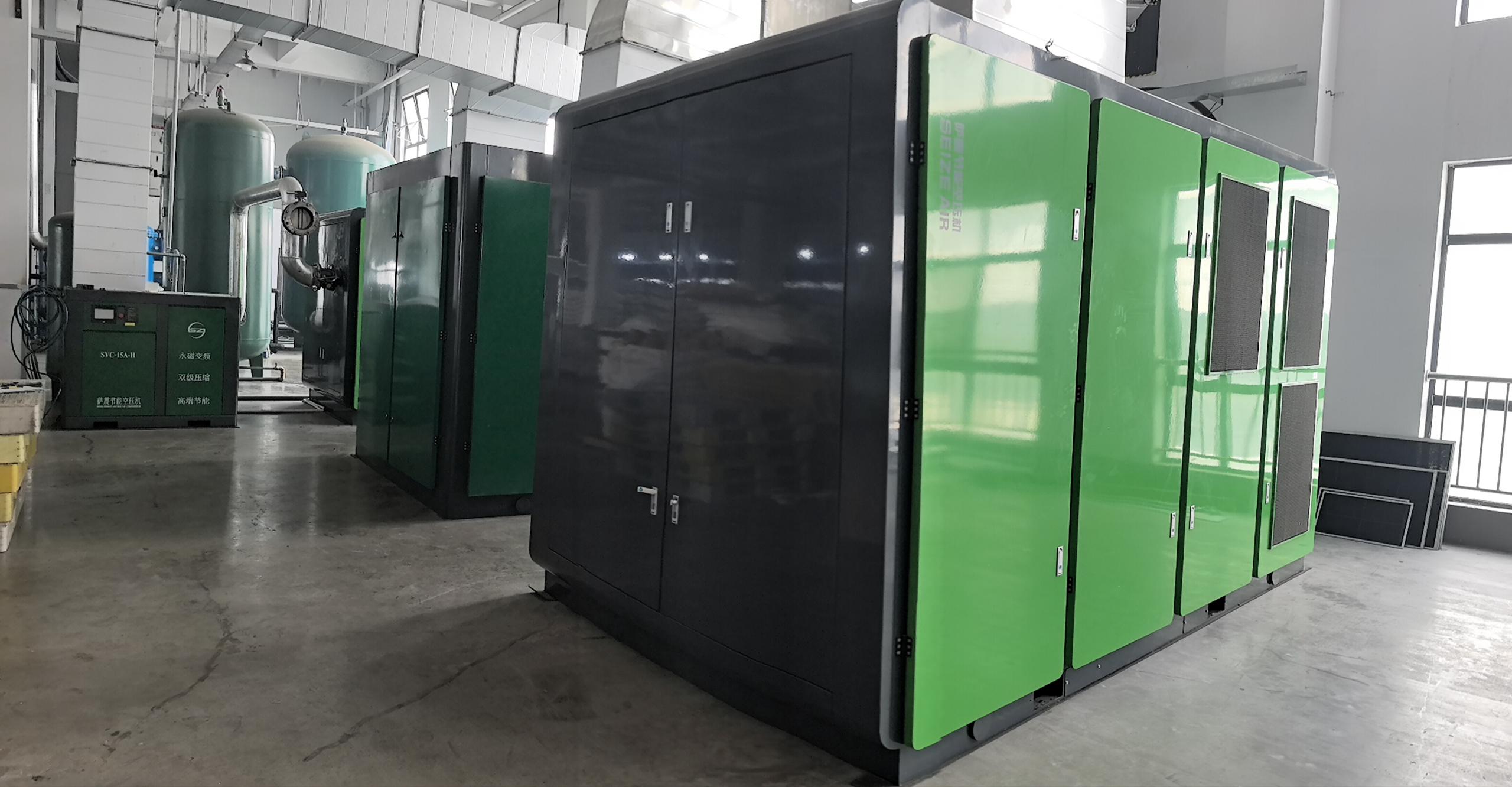
A leak audit shouldn't just be a box-checking exercise. When done right, it uncovers hidden inefficiencies that directly impact your bottom line. Think about it: small, undetected leaks in compressed air systems or steam traps can quietly drain thousands of dollars each year. A well-executed audit pinpoints these issues and quantifies the waste, translating technical findings into real financial terms that management can act on.
The key is to focus on audits that go beyond identification. The real payoff comes from implementing the recommendations and tracking the savings. For instance, fixing a single 1/8-inch leak in a compressed air line could save over $1,200 annually in energy costs. Multiply that by dozens of leaks across a facility, and the numbers become impossible to ignore. The best audits include a clear, prioritized action plan with estimated repair costs and payback periods, making it easy to turn findings into funded projects.
To ensure the audit pays off, involve your maintenance team from the start. Their hands-on knowledge often reveals why leaks persist—maybe it's a recurring design flaw or a need for better training. When the audit leads to lasting fixes rather than temporary patches, the savings compound year after year. Ultimately, a leak audit that actually pays off is one that changes how your organization views and manages energy waste, turning a routine check into a strategic profit-improvement tool.
Pressure Settings: The Overlooked Cost Driver
Many manufacturers focus on raw material costs and labor, but they rarely scrutinize the actual pressure levels running through their equipment. Even a slight deviation from the optimal pressure range can lead to significant energy waste over time. Compressors and pumps often work harder than necessary, drawing more electricity and pushing utility bills higher without any corresponding increase in output.
Beyond energy, there's the matter of wear and tear. Running systems at elevated pressures stresses seals, gaskets, and piping, leading to more frequent breakdowns and shorter component lifespans. These failures cascade: a burst hose interrupts production, requires emergency repairs, and might damage nearby instruments. The true cost often hides in unplanned downtime, which is far more expensive than scheduled maintenance.
Adjusting pressure settings isn't just about turning a dial—it requires a systematic review of your system's demand patterns. Low-cost monitoring sensors can reveal exactly where pressure drops occur and whether end-users are being supplied with more pressure than their processes need. The savings from tuning these parameters often materialize within weeks, yet the initial investment remains minimal compared to the ongoing returns.
Heat Recovery: Turning Waste into Savings
Most industrial processes and commercial buildings produce vast amounts of heat that simply drifts away, unutilized. This wasted thermal energy represents a massive hidden cost, bleeding out through exhaust vents, cooling towers, and hot equipment surfaces. Capturing even a fraction of this lost energy can dramatically cut fuel consumption and lower operational expenses without altering the core processes themselves.
The concept is straightforward: intercept heat where it would otherwise escape, and redirect it to somewhere it’s needed. In a factory, that might mean preheating inlet water using the warmth from air compressors. In an office complex, it could be as simple as using exhaust air to temper incoming fresh air during winter. Tailored heat exchangers make this possible with surprisingly short payback periods, often measured in months rather than years.
Beyond the immediate financial returns, recovering waste heat shrinks a facility's carbon footprint and boosts energy resilience. Some operations have slashed their heating bills by 30 to 40 percent just by repurposing warmth that was once considered useless. As energy prices climb and environmental expectations tighten, treating waste heat as a valuable resource isn’t just smart engineering—it’s a competitive necessity.
Smart Sequencing for Multi-Compressor Rooms
In industrial settings where multiple compressors run side by side, the way they start, stop, and share the load can make or break energy efficiency. Smart sequencing takes the guesswork out of this coordination by continuously monitoring system demand and automatically bringing the best compressor combination online. It’s not just about turning machines on and off in a fixed pattern—intelligent algorithms consider each unit’s operating hours, wear patterns, and efficiency curves to prevent unnecessary energy waste while keeping the pressure steady.
A well-tuned sequence also extends the service life of the entire compressor fleet. By spreading runtime evenly and avoiding frequent motor starts, the system reduces thermal and mechanical stress. Advanced controllers can even predict maintenance needs based on actual usage rather than arbitrary schedules, so you’re not pulling a unit offline just because a calendar says so. This proactive approach minimizes downtime and keeps your compressed air supply reliable without burning through spare parts or emergency call-outs.
The real magic happens when the sequencing logic adapts to changing plant conditions in real time. Instead of reacting after pressure already dips, modern systems use trend data and short-term forecasts to start a standby compressor before it’s too late. This kind of anticipatory control smooths out demand peaks and can often let you run fewer machines overall, slashing energy costs without ever compromising production. When every compressor is precisely orchestrated, the whole room runs like a single, finely balanced machine.
Maintenance Habits That Slash Energy Bills
A well-maintained home doesn’t just run more smoothly—it quietly lowers your monthly expenses. One of the most overlooked ways to cut energy costs is simply keeping your systems in top shape. Clogged air filters, for instance, force your HVAC to work overtime, gulping down extra power. Swapping them out every three months can trim your bill by up to 15%. The same goes for refrigerator coils buried under dust: a quick vacuum session twice a year keeps the compressor from straining and extends its life. These small, habit-driven tweaks add up, often without a single dollar spent on new equipment.
Paying attention to your water heating can also yield surprising savings. Sediment buildup at the bottom of the tank makes it work harder to deliver hot water, so draining a few gallons every six months keeps efficiency high. Lowering the thermostat to 120°F slashes standby heat loss without sacrificing comfort. And don’t overlook the little things—a leaky faucet might seem harmless, but hot water drips can silently drive up both water and energy bills. Fixing them promptly turns a nagging annoyance into an effortless money saver.
Getting into seasonal tune-ups builds a rhythm that prevents waste. In fall, check for drafts around doors and windows; adding weatherstripping stops warm air from escaping before it reaches you. Before summer hits, give your AC unit some love by clearing debris from around the condenser and straightening bent fins. For those with a fireplace, keeping the damper closed when not in use blocks a steady draft that can suck heated or cooled air right out of the chimney. These habits don’t require technical skill—just a bit of regular attention—and they transform routine care into real savings on your energy statement.
FAQ
Compressed air often accounts for 20–30% of a textile mill’s total electricity consumption. The continuous demand from spinning, weaving, and finishing processes forces compressors to run near-constant, and inefficiencies like pressure drops, leaks, and oversized equipment quietly drive up kWh bills month after month.
Dirty intake filters, worn seals, and clogged coolers force a compressor to work harder for the same output. Sticking to a preventive schedule—cleaning or replacing filters, checking oil levels, and inspecting belts—can improve specific power consumption by 5–10% almost immediately, with almost no capital outlay.
Even a tiny 3 mm hole can drain over €1,200 a year in wasted electricity at typical industrial rates. In textile workshops with thousands of fittings and couplings, leak losses commonly reach 20–30% of generated air. Regular ultrasonic leak detection and tagging pay back fast because every fixed leak stops a constant energy drain.
Most textile equipment runs reliably at 6.0–6.5 bar, yet many plants keep headers at 7.5 bar or higher ‘just in case.’ Every 1 bar reduction in system pressure cuts compressor energy use by roughly 7%. Piloting a trim compressor with a narrow pressure band and eliminating artificial demand from regulators set too high can slash the base load significantly.
Yes, particularly for mills with fluctuating air demand. A VSD compressor adjusts motor speed to match real-time flow, avoiding the wasteful blow-off or idle running of fixed-speed units. In textile applications with varying shift patterns or batch processes, a VSD machine often reduces energy consumption by 15–35% compared to a standard on/off compressor.
Moisture and oil carryover ruin solenoid valves, cause nozzle clogging in looms, and lead to frequent machine stops. Oversized or poorly maintained dryers and filters create unnecessary pressure drop, which directly raises energy use. Right-sizing treatment equipment and monitoring dew point keeps the entire system efficient and avoids production downtime that dwarfs energy savings.
An oil-injected screw compressor converts nearly all input electrical energy into heat. Instead of venting it outside, a simple ducting system or plate heat exchanger can redirect warm air to preheat process water, supplement building heating in winter, or dry raw materials. Practically, you can recover 70–90% of the compressor’s thermal energy, directly cutting gas or heating fuel costs.
Conclusion
In textile plants, compressed air often accounts for a disproportionate share of energy costs, yet many mills overlook simple adjustments that yield immediate savings. The first step is to challenge assumed air demand in spinning and weaving—machinery typically runs efficiently at lower pressures than default settings, and over-pressurizing not only wastes energy but accelerates wear. Pair this with a rigorous leak audit: even a small leak can drain thousands of dollars annually, and ultrasonic detection combined with a structured repair schedule turns these audits from routine tasks into genuine cost-recovery efforts. Equally important is revisiting pressure settings, as every 0.1 bar reduction at the compressor discharge can trim energy consumption by roughly 1%, directly impacting the bottom line.
Beyond fixing the obvious, forward-thinking mills capture waste heat from air compressors to warm water or factory spaces, replacing dedicated heaters and cutting fuel bills. In plants with multiple compressors, smart sequencing—using onboard controllers to match supply with real-time demand rather than running units at fixed intervals—eliminates wasteful idle time and reduces blowdown losses. Finally, maintenance habits often separate profitable operations from struggling ones: clean inlet filters, properly tensioned belts, and timely lubricant changes don’t just extend equipment life; they keep compressors operating near their best efficiency point, silently slashing energy bills month after month. Together, these measures form a practical, low-investment roadmap to sustained cost reduction in textile manufacturing.
Contact Us
Contact Person: Mia
Email: [email protected]
Tel/WhatsApp: +86 19821985894
Website: https://www.seize-air.com