

Corn Milling Machine Plant Design: A Complete Setup Guide
2026-05-27
Setting up a corn milling plant is a high-stakes endeavor where every design decision shapes your efficiency and profit. Whether you’re navigating equipment placement, workflow optimization, or regulatory hurdles, getting it right from the start is non-negotiable. That’s why we’ve crafted this guide—packed with hard-won insights and field-tested strategies—to help you avoid costly missteps. At PINGLE, we’ve seen firsthand how intelligent plant design can slash downtime and boost output, and we’re here to share that expertise. Ready to build a facility that runs like clockwork? Let’s dive into the details.
Choosing the Right Site for Your Corn Milling Facility
Selecting the right location for a corn milling plant goes far beyond checking a box on a map. It begins with proximity to reliable corn-growing regions, as freight costs and grain quality can erode margins overnight if sourcing points are too distant. Look for areas with consistent harvest volumes and multiple supply channels – this diversity reduces the risk of regional crop failures derailing your operations. At the same time, assess the local infrastructure: grain elevators, drying facilities, and transportation networks must be robust enough to handle just-in-time deliveries without bottlenecks. A seemingly cheaper land parcel can quickly lose its appeal if you spend more on trucking logistics or suffer frequent downtime during wet seasons.
Equally critical is the availability of utilities and skilled labor. Corn milling is energy-intensive, so a site with dependable and competitively priced electricity (or access to natural gas) can shield you from volatile operational costs. Water supply and wastewater discharge permissions are often overlooked yet can become dealbreakers – verify both quantity and quality allowances with local authorities before committing. Labor-wise, target regions with a history of food processing or agricultural manufacturing; the talent pool there will shorten your training curve and help embed a culture of safety and precision from day one. Don’t underestimate the value of a community that understands shift work and industrial hygiene standards.
Finally, factor in market access and regulatory ease. If your primary customers – whether livestock feed producers, ethanol plants, or food manufacturers – are hundreds of miles away, you are essentially building hidden freight costs into every ton of product. Map out distribution radii and evaluate the condition of highways, rail spurs, or barge terminals that connect you to those demand pockets. On the regulatory front, some jurisdictions sweeten the deal with tax incentives, expedited permitting, or enterprise zones, while others layer on extensive environmental reviews that can stall your launch by months. Visiting the local planning office early and building relationships with officials can reveal obstacles (and shortcuts) that never appear in glossy investment brochures. The best site is one where operational realities and long-term growth potential align without unnecessary friction.
Designing an Efficient Plant Layout for Smooth Operations
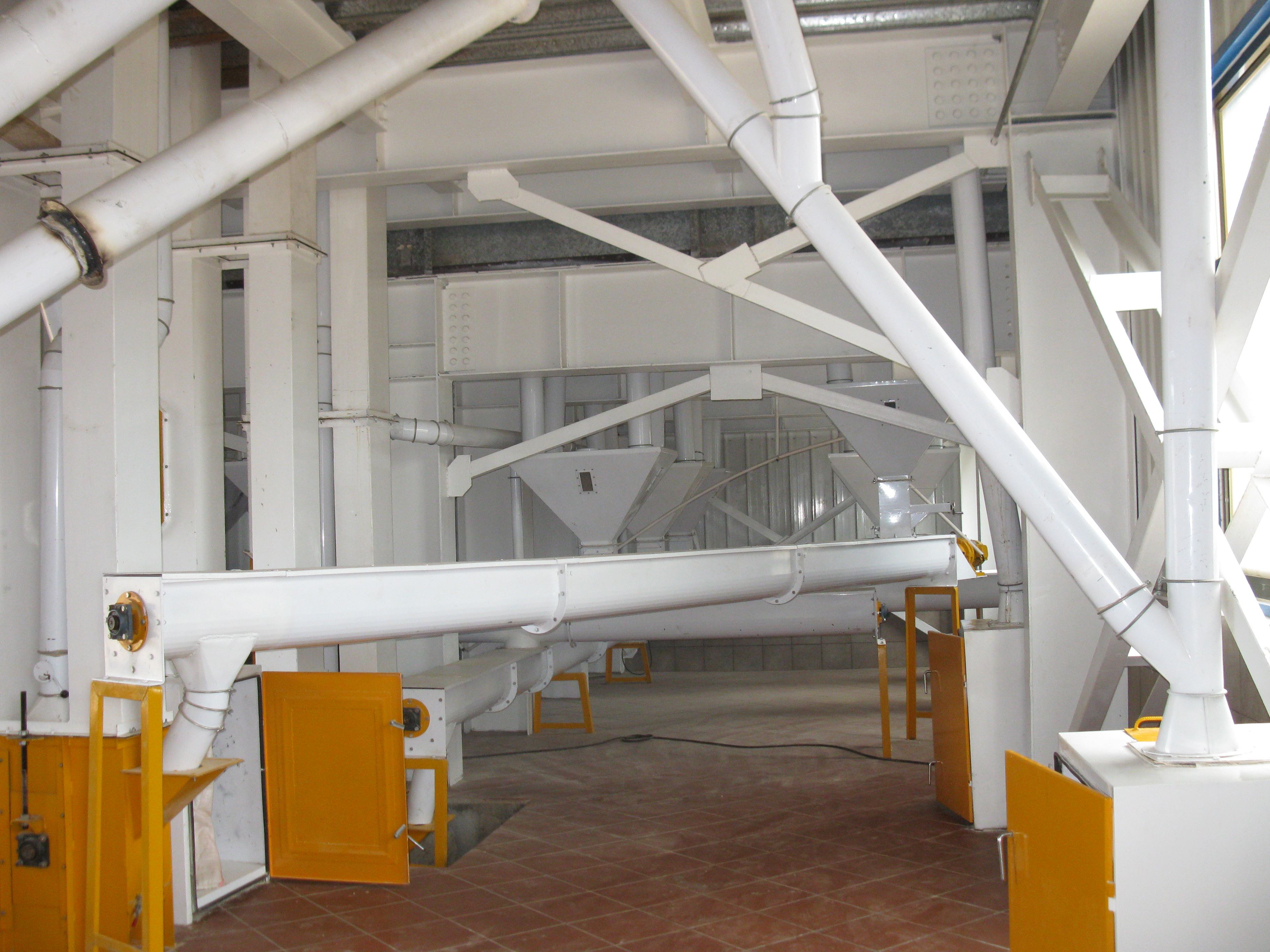
A well-conceived plant layout does more than just arrange machinery—it orchestrates the flow of materials, people, and information in a way that minimizes waste and maximises throughput. The core principle is to map out production sequences meticulously, ensuring that each workstation feeds seamlessly into the next without backtracking or bottlenecks. By analyzing process charts and travel distances, you can cluster interdependent operations, slashing unnecessary movement and handling that silently erode efficiency. This isn't merely about straight lines or U-shaped cells; it's about understanding the rhythm of your specific production environment and designing a layout that adapts to its tempo, whether that means positioning quality checks at critical handoff points or integrating buffer zones to absorb variability without stalling the entire line.
Space utilization often gets reduced to cramming as much as possible into the square footage, but a sharper focus is on flexibility and flow. Instead of treating aisles, storage areas, and workstations as fixed entities, consider them as adjustable components that can be reconfigured as product mixes shift. Designing for modularity—using movable equipment, plug-and-play utilities, and scalable work cells—allows the plant to evolve without massive overhauls. At the same time, visibility plays an understated role: clear sightlines across the floor reduce accidents and make it easier to spot disruptions early. Lighting, color-coding, and floor markings further enhance intuitive navigation, turning the physical space into a silent guide that keeps operations fluid and mistakes rare.
Finally, the human element must anchor every layout decision. Operators who need to stretch, twist, or walk excessive distances are not just at risk of injury—they’re indicators of a layout that fights against its own workforce. Ergonomic placement of tools and parts, along with thoughtful provision for rest and interaction, elevates both morale and output. Incorporating feedback loops from the shop floor is vital; those who live the process daily often spot inefficiencies that engineers overlook. When you blend data-driven flow analysis with real-world operator insights, the result is a layout that breathes with the operation, effortlessly supporting peak periods and calmly handling lulls, all while staying ready for the next innovation.
Selecting Equipment That Balances Capacity and Quality
Striking the right balance between capacity and quality is a challenge that often defines the rhythm of a production floor. It’s tempting to chase the highest throughput figures, but machines pushed to their absolute limits can silently erode the precision that keeps customers coming back. I’ve seen lines where the daily count looked impressive, yet the finishing team was constantly battling inconsistencies that slowed final delivery. The sweet spot usually appears when you match the equipment’s natural operating range to the most demanding step in your process—not the fastest, but the one where accuracy tensions first appear. That might mean selecting a mixer whose gentle agitation preserves ingredient integrity, rather than the one that blends in half the time but introduces unwanted air.
There’s also a quieter side to this balance: how the machine holds its character over months and years. A printer that delivers flawless color at 80% of its rated speed but starts to drift at full tilt isn’t really a high-quality asset—it’s a compromise dressed in impressive specs. During evaluations, I lean toward manufacturers who are transparent about the “confidence zone” of their equipment, that realistic window where both output and consistency stay reliable. It’s refreshing when a supplier admits that their compact metal shear is stellar up to 10,000 cycles a day, then gently suggests a sturdier frame for heavier demands. These honest boundaries prevent the quiet creep of rework and waste that eventually shows up in cost-per-unit calculations, long after the purchase order is forgotten.
Thinking beyond the nameplate numbers also means factoring in the people who will live with the equipment daily. Operators who constantly override settings to correct quality issues aren’t just frustrated—they’re signaling that the theoretical capacity doesn’t hold up in the real world. In food packaging, for instance, a flow wrapper rated at 120 packs per minute might look like a leap forward, but if the film tension shifts subtly every thousand bags, you’re trading speed for jagged seals and returns. The machines that age gracefully are those where the average load sits comfortably inside their design intent, leaving a cushion for material variations and minor wear. That’s the quiet harmony you feel on a tour where the line hums steadily, and the QC logbook isn’t filled with red-flagged adjustments—proof that capacity and quality can truly share a single heartbeat.
Streamling Process Flow for Consistent Output
A smoothly running process often boils down to how well you've trimmed the fat—eliminating redundant steps that only slow things down and add room for error. When you take a hard look at your workflow, you'll notice patterns where handoffs stall or information gets muddied. By cutting out those unnecessary loops, you create a straighter path from input to output, making it easier to reproduce results without constant firefighting.
Clever automation and clear ownership of each stage turn a messy series of tasks into something predictable. Mapping out exactly who does what, and when, removes the guesswork that leads to variations. Think about the small, repetitive actions that eat up focus—those are prime candidates for scripting or templating, freeing your team to handle exceptions rather than getting bogged down in routine.
Regular check-ins on the process itself keep it from becoming stale. As your tools and goals shift, what once worked perfectly can start creating inconsistencies without anyone noticing. By treating the flow as something alive—tweaking it based on real feedback, not just assumptions—you build a system that doesn't just aim for sameness, but actually delivers it, time after time.
Implementing Safety and Hygiene Protocols from Day One
Rolling out safety and hygiene measures isn't something you can postpone until after the soft opening. The moment the first contractor steps on site, the groundwork for a spotless, hazard-free environment begins. We made sure every worker, from electricians to decorators, understood that protective gear and sanitization stations weren't optional—they were non-negotiable parts of the daily routine. Signage went up before the walls were painted, and cleaning schedules were locked in while the menu was still being finalized. Setting that tone early meant that when the doors finally opened, the team already moved like it was second nature, not some last-minute scramble.
What often gets overlooked is how early protocols shape the customer experience before anyone even tastes the food. During construction, we cordoned off prep zones and enforced strict handwashing intervals, even for workers just moving equipment. That level of discipline translated into a kitchen layout designed for flow, where cross-contamination risks were designed out rather than retrofitted. It also meant that by the time we trained the front-of-house staff, they already saw cleanliness as part of the brand's DNA, not a checklist item. Guests might never see the behind-the-scenes planning, but they feel the difference in every detail—from spotless menus to bathrooms that stay pristine even during a rush.
Estimating Costs and Planning for Long-Term Maintenance
When it comes to long-term maintenance, many property owners underestimate the true scope of costs, which often leads to hasty fixes or neglected repairs down the line. A realistic estimate starts with a detailed inventory of all assets—from roofing and HVAC systems to landscaping and common area fixtures—and then projecting their remaining useful life under local conditions. Instead of relying on generic industry averages, it pays to gather data from similar properties in your area, talk to contractors who understand regional wear patterns, and build in a buffer for inflation and unexpected material price spikes. This granular approach not only sharpens your budget accuracy but also reveals which systems might need earlier intervention, allowing you to tweak plans before problems escalate.
Planning is where the numbers turn into action, but rigid schedules rarely survive contact with reality. Smart maintenance planning balances calendar-based tasks—like seasonal gutter cleaning—with condition-based triggers, such as monitoring vibration data on pumps or thermal imaging for electrical panels. By layering these strategies, you avoid both pointless early replacements and costly emergency failures. Another often-overlooked element is phasing: grouping together smaller projects that share equipment or skills can slash mobilization costs without compromising quality. And because nothing ever goes exactly to plan, earmarking a portion of your annual budget for opportunistic maintenance—fixing that “might become a problem” issue when you’re already on site—can smooth out future spending while keeping disruption to building occupants minimal.
Finally, long-term planning shouldn’t happen in a vacuum—it needs to reflect how the building is actually used. A facility with 24/7 operations, for instance, will rack up wear faster than a standard office, so lifecycle estimates must be adjusted accordingly. Engaging facility managers and even end users in the feedback loop often reveals pain points that aren’t obvious from spreadsheets, such as a particular door that needs constant realignment or a cooling tower struggling with a specific seasonal load. Turning these insights into a living document, revisited quarterly rather than annually, helps you adapt to shifting occupancy patterns, new sustainability regulations, or unplanned upgrades. In the end, effective cost estimation and planning isn’t about predicting the future perfectly—it’s about building a system that flexes intelligently while protecting the asset’s long-term value.
FAQ
Start by assessing your target market and daily processing capacity you aim for. Then look for a location with good road access, stable power supply, and enough space for future expansion.
It directly affects workflow and hygiene. You want a linear flow from raw grain intake to final packaging, with separate zones for cleaning, milling, and storage to avoid cross-contamination.
A degerminator, roller mill, sifter, and a packaging line form the core. Depending on your end product, you might add a maize cleaner, conditioner, or a hammer mill for by-products.
Absolutely. Grain dust is combustible and a health hazard. Install cyclones and bag filters at transfer points, and consider a central dust extraction system to keep the air clean and meet safety regulations.
Look at the local demand and competitor output, then factor in at least 20% extra headroom. A plant that runs at 80% utilization gives you flexibility during peak seasons without overstraining the machinery.
Plan for three-phase power with adequate transformer capacity. Don't forget to include soft starters or VFDs for large motors to reduce inrush current and protect your equipment. Backup generator sizing is also critical.
Yes, many mills now use containerized or skid-mounted units. You can start with a basic line and later bolt on extra modules such as a second mill or a packing system without major construction.
Underestimating storage needs, both for raw maize and finished flour, is a big one. Others include poor site leveling, ignoring maintenance access around machines, and not budgeting for staff training.
Conclusion
Designing a corn milling plant involves many interconnected decisions that go beyond simply picking machines. Site selection sets the foundation: proximity to raw materials, reliable utilities, and efficient transport links can dramatically reduce long-term logistics costs. Once the location is secured, the plant layout must be engineered for smooth material flow—from intake and cleaning to grinding, sifting, and packaging. A well-thought-out floor plan minimizes cross-contamination, reduces operator movement, and accommodates future expansion without major disruptions. Equipment choices then become the heart of the operation. Rather than chasing the highest capacity, smart planners balance throughput with end-product quality, considering factors like roller mill corrugation, sifter aperture, and degerminator efficiency to match their target market, whether it’s maize meal, grits, or specialty flours.
Beyond the machinery, a truly complete guide addresses the less visible but equally critical elements: process flow consistency, safety protocols, and financial sustainability. Streamlining the process flow—by eliminating bottlenecks and automating transfers—ensures uniform output batch after batch, which is essential for building customer trust. From day one, embedding rigorous safety and hygiene practices protects workers, prevents contamination, and meets regulatory standards, all while fostering a culture of accountability. Finally, realistic cost estimation goes beyond initial capital; it accounts for energy consumption, spare parts, labor training, and preventive maintenance schedules. A plant designed with long-term servicing in mind—easy equipment access, modular components, and local spare part availability—will reward owners with higher uptime and lower lifecycle costs. Altogether, these principles form a cohesive blueprint that turns a corn milling investment into a resilient, profitable enterprise.
Contact Us
Contact Person: Jiakuo Wu
Email: [email protected]
Tel/WhatsApp: +86-13011566087
Website: https://www.pinglemachine.com