

Copper and Aluminum: Non-ferrous Metals Company Strategies for Success
2026-02-21
In the dynamic world of non-ferrous metals, copper and aluminum stand out as critical materials driving global innovation and sustainability. Navigating this competitive landscape requires strategic foresight and expert guidance—qualities that set GRM apart in the industry. This blog delves into the key strategies that top companies employ to thrive, from supply chain optimization to cutting-edge technological investments. Discover how GRM's pioneering approaches can inspire your own success in this fast-evolving sector.
Innovative Approaches to Copper and Aluminum Market Penetration
Copper and aluminum continue to dominate global industrial sectors, but breaking into saturated markets demands more than just price adjustments or traditional supply strategies. Companies are now leveraging digital twins and predictive analytics to optimize material usage in real-time, allowing for smarter inventory management and reduced waste during production cycles. For instance, integrating Internet of Things sensors in manufacturing lines helps monitor metal quality and predict maintenance needs, ensuring consistent output and minimizing downtime—key factors that appeal to cost-conscious clients seeking reliability.
Beyond technological tweaks, fostering partnerships across the value chain is proving crucial for deeper market penetration. By collaborating with renewable energy firms or electric vehicle manufacturers, suppliers can co-develop custom alloys tailored to specific applications, like lightweight aluminum for battery casings or high-conductivity copper for charging infrastructure. These alliances not only secure long-term contracts but also position brands as innovators, moving beyond commodity sales to solution-oriented offerings that address evolving industry demands.
Additionally, embracing sustainability as a core differentiator can unlock new customer segments, especially in regions with stringent environmental regulations. Implementing closed-loop recycling systems for scrap copper and aluminum reduces reliance on virgin ores while cutting carbon footprints—a win-win that resonates with eco-conscious buyers. Marketing these green initiatives through transparent reporting and certifications helps build trust, turning ethical practices into competitive advantages that drive market share in an increasingly scrutinized global landscape.
Sustainable Practices in Non-ferrous Metal Production and Recycling
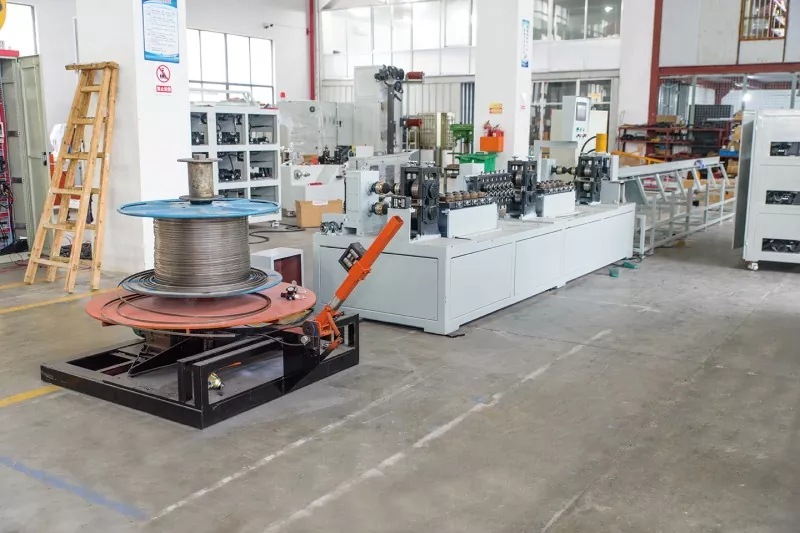
In the realm of non-ferrous metals, sustainability is driving a seismic shift from traditional extraction to innovative, eco-conscious methods. Producers are increasingly integrating renewable energy sources, such as solar and wind power, into smelting and refining processes, significantly cutting down carbon emissions. Advanced technologies like hydrometallurgical techniques allow for gentler recovery of metals like copper and nickel, reducing energy consumption and minimizing harmful byproducts. These practices not only enhance efficiency but also align with global climate goals, fostering a greener industrial footprint that resonates with environmentally aware stakeholders.
Recycling plays a pivotal role in bolstering sustainability, offering a circular economy model that conserves finite resources. By reprocessing materials like aluminum, lead, and zinc, the industry drastically lowers the need for virgin ore mining, which is often energy-intensive and ecologically disruptive. Modern sorting and separation technologies, including AI-driven systems, enable precise recovery of high-purity metals, cutting waste and extending material lifecycles. This approach not only conserves energy—aluminum recycling, for instance, uses about 95% less energy than primary production—but also reduces landfill burden, creating a closed-loop system that benefits both the economy and the environment.
To stand out in a crowded field, forward-thinking companies are embracing digital transparency and community engagement as key differentiators. Blockchain platforms are being used to trace metal origins, ensuring ethical sourcing from conflict-free zones and boosting consumer trust. Collaborative efforts with local communities focus on minimizing water usage and rehabilitating mining sites, turning barren areas into green spaces. By weaving these tailored strategies into their operations, businesses not only meet regulatory standards but also build resilient, innovative reputations that set them apart in the competitive landscape of sustainable metal production.
Technology Integration for Enhanced Efficiency in Metal Processing
In today's competitive manufacturing landscape, integrating advanced technologies like automation and IoT has become a game-changer for metal processing operations. By implementing smart sensors and real-time data analytics, companies can gain precise control over production variables such as temperature and material flow. This seamless connectivity not only boosts throughput but also minimizes waste, allowing for more sustainable and cost-effective processes that adapt swiftly to market demands.
Another key aspect lies in the adoption of machine learning algorithms and AI-driven predictive maintenance systems. These tools analyze historical and current data to foresee potential equipment failures, reducing unplanned downtime and extending machinery lifespan. As a result, metal processors can achieve smoother operations with fewer disruptions, enhancing overall efficiency and enabling a proactive approach to production challenges.
Moreover, the convergence of robotics with traditional metalworking tasks, such as welding and cutting, introduces unprecedented levels of precision and speed. Collaborative robots, or cobots, work alongside human operators to handle repetitive or hazardous duties, improving safety while maintaining high-quality output. This synergy between human expertise and technological innovation fosters a dynamic environment that continuously evolves to meet industry standards and client specifications.
Building Strong Supply Chain Networks for Copper and Aluminum
In today's volatile global market, constructing resilient supply chains for copper and aluminum isn't just a logistical task—it's a strategic imperative. For copper, this often means forging direct partnerships with mines in stable regions like Chile or Peru, while aluminum supply chains thrive on long-term contracts with smelters in energy-rich areas such as Iceland or Canada. By integrating digital platforms to track shipments in real-time, companies can preempt disruptions, whether from geopolitical tensions or natural disasters, ensuring a steady flow of these essential metals for industries from construction to electronics.
Diversification plays a key role here; rather than relying on a single source, savvy firms are building networks that include multiple suppliers and alternative routes. For instance, sourcing aluminum from both primary producers and recycled streams can buffer against price spikes, while copper might be blended from African and Southeast Asian reserves. This multi-faceted approach not only mitigates risks but also fosters innovation, as suppliers compete to offer cleaner extraction methods or more efficient logistics, turning the supply chain into a dynamic ecosystem rather than a static pipeline.
Beyond mere procurement, strong networks emphasize collaboration over transaction. By co-investing in infrastructure like port upgrades or shared warehousing, partners in the copper and aluminum sectors reduce costs and enhance trust. This synergy is crucial for meeting sustainability goals, as it allows for better monitoring of environmental impacts—think lower carbon footprints in aluminum smelting or ethical sourcing in copper mining. Ultimately, these interconnected webs don't just move metal; they build value chains that are robust, transparent, and adaptable to future challenges.
Customer-Centric Strategies in the Non-ferrous Metals Industry
In the competitive landscape of the non-ferrous metals industry, companies are increasingly embracing customer-centric strategies to forge enduring relationships and drive growth. This involves moving beyond simply supplying metals like aluminium, copper, and zinc, to deeply understanding and anticipating the specific needs of diverse clients—from automotive manufacturers requiring lightweight alloys to electronics firms demanding high-purity materials. By integrating customer insights into every facet, from product development to logistics, businesses can offer tailored solutions that enhance operational efficiency and product performance for end-users, ultimately fostering loyalty in a market where differentiation is often challenging.
One effective approach is implementing robust data analytics to track market trends and customer feedback, enabling proactive adjustments in alloy compositions or delivery schedules. For instance, a copper supplier might collaborate closely with renewable energy companies to develop alloys optimized for electrical conductivity in solar panels, reducing costs and improving sustainability. Such partnerships not only address immediate technical demands but also position the supplier as a strategic ally, rather than just a vendor, in the client's innovation journey.
Moreover, prioritizing transparency in sourcing and sustainability practices has become a key differentiator, as customers increasingly value ethical supply chains. Companies that openly communicate their efforts in reducing environmental impact or ensuring fair labor practices can build trust and appeal to conscientious buyers. By embedding these principles into core operations—like using recycled materials or offering carbon-neutral shipping options—firms can create a unique value proposition that resonates deeply with modern consumers and sets them apart in a crowded industry.
Navigating Global Trends and Policies in Copper and Aluminum Trade
The global copper and aluminum markets are being shaped by a mix of economic shifts and strategic policies, driving significant changes in trade patterns. As nations ramp up investments in renewable energy and electric vehicles, demand for these metals has surged, leading to tighter supplies and volatile prices. Trade policies, such as tariffs and environmental regulations, add layers of complexity, forcing companies to adapt their supply chains to navigate these evolving landscapes effectively.
Countries like China and the US play pivotal roles in setting trade norms, often influencing global pricing and availability through their industrial and environmental policies. For instance, China's push for greener technologies impacts aluminum production costs, while U.S. tariffs on imports can redirect trade flows to other regions. Businesses must stay agile, leveraging real-time data and strategic partnerships to mitigate risks and capitalize on emerging opportunities in this dynamic sector.
Looking ahead, innovations in recycling and sustainable mining practices are poised to redefine the trade of copper and aluminum, offering new avenues for growth amid regulatory pressures. By understanding these trends and policies, stakeholders can make informed decisions to thrive in a competitive global market.
FAQ
They often focus on high-grade ore extraction, invest in sustainable mining technologies, and diversify supply chains to mitigate price volatility and environmental regulations.
By developing advanced recycling processes, creating value-added products like specialized alloys, and forming strategic partnerships with automotive and aerospace sectors.
Key issues include fluctuating raw material costs, stringent environmental compliance, and geopolitical risks affecting global trade and supply stability.
Innovation enables companies to improve energy efficiency in production, reduce carbon footprints, and adapt to evolving market demands, such as the shift towards renewable energy applications.
Through initiatives like water conservation in processing, reducing emissions with cleaner energy sources, and engaging in transparent reporting to build stakeholder trust.
It optimizes logistics and supply chains through data analytics, enhances predictive maintenance in equipment, and supports real-time decision-making for better resource allocation.
Yes, by focusing on niche markets, leveraging agile innovation cycles, and building strong local customer relationships to avoid direct competition on scale.
Trends like increased demand from electric vehicle manufacturing, advancements in lightweight materials, and stricter global sustainability standards will shape strategies moving forward.
Conclusion
Success in the copper and aluminum sectors hinges on a multifaceted strategy that starts with innovative market penetration, where companies are not merely selling metals but offering tailored solutions that meet specific industry demands, such as high-conductivity alloys for electronics or lightweight aluminum for automotive applications. This customer-centric approach is bolstered by technology integration, where advancements in automation, IoT, and AI are revolutionizing metal processing, driving down costs and boosting output quality. Simultaneously, navigating global trends and policies is crucial, as trade agreements, tariffs, and sustainability regulations shape market dynamics, requiring firms to stay agile and informed to capitalize on emerging opportunities in regions like Asia or Europe.
Building robust supply chain networks ensures seamless operations from mining to delivery, mitigating risks like raw material shortages or logistical disruptions. A key differentiator is the adoption of sustainable practices, where companies are investing in closed-loop recycling systems and energy-efficient production methods, not only reducing environmental impact but also appealing to eco-conscious stakeholders and meeting stringent regulatory standards. By weaving together these elements—innovation, technology, supply chain resilience, customer focus, and sustainability—non-ferrous metals firms can carve out a competitive edge, thriving in a dynamic market while contributing to a greener, more efficient global economy.
Contact Us
Contact Person: Rayna
Email: [email protected]
Tel/WhatsApp: 86 -173 1474 6343
Website: https://www.grmrollingmill.com/