

CNC Milling Machine Solutions for Streamlined Precision Manufacturing
2026-07-20
Precision manufacturing is a relentless pursuit, and CNC milling technology stands at its core. Yet, achieving true streamlined efficiency without compromising accuracy remains a challenge for many workshops. Enter WINNRUI CNC — where innovative machine solutions redefine what's possible, turning complex designs into flawless realities faster than ever. But what makes these systems different, and how can they transform your production floor?
Elevating Precision with Advanced CNC Milling
Achieving micron-level accuracy in modern manufacturing demands more than just powerful machinery—it requires a fusion of adaptive control systems, real-time feedback loops, and vibration-dampening architectures that actively compensate for thermal drift and tool wear. By integrating laser measurement and in-process probing, advanced CNC milling transforms raw stock into components where every contour, pocket, and thread aligns within tolerances once thought impractical for production environments.
The shift toward multi-axis, high-speed machining centers has redefined what’s possible with complex geometries. Simultaneous 5-axis interpolation, combined with trochoidal tool paths and intelligent chip evacuation, eliminates dwell marks and reduces cutter deflection. This means even deep cavities and thin-walled structures maintain dimensional stability without multiple setups, cutting lead times while preserving surface integrity.
Behind every precision surface is a digital thread of simulation and verification. High-fidelity CAM software now models the entire cutting environment—spindle dynamics, material spring-back, and fixture stiffness—before the first chip is made. Paired with closed-loop servo drives that update position every microsecond, this digital-to-physical link ensures that the part emerging from the machine matches the designer’s intent down to the submicron. It’s not just milling; it’s material artistry guided by data.
Streamlining Production: The Role of Modern CNC Solutions
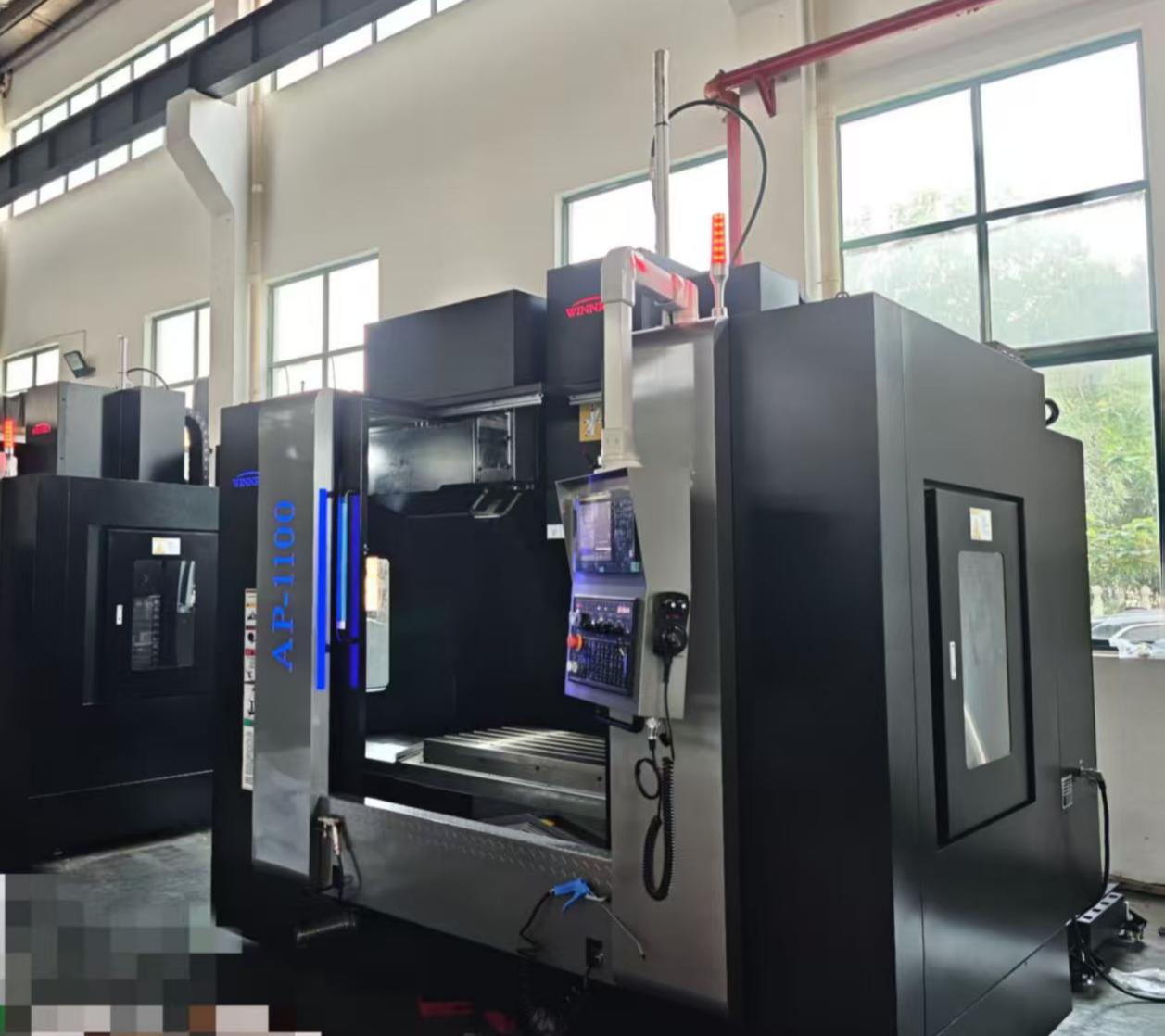
The shift toward advanced CNC machinery has reshaped how shops approach production flow. Instead of relying on cumbersome manual setups and constant operator adjustments, today’s systems leverage intelligent software that pre-calculates optimal cutting sequences and automatically fine-tunes parameters mid-operation. This self-correcting loop slashes idle time and catches deviations before they turn into scrap, letting a single programmer oversee multiple machines without compromising accuracy.
Beyond raw speed, modern CNC ecosystems excel at handling varied parts in quick succession. Quick-change fixturing and tool libraries stored in the machine’s memory let you switch from a small batch of medical components to complex aerospace brackets with minimal downtime. The real difference, however, is not just the hardware but how it connects with upstream design teams—revised geometries flow directly to the shop floor without retyping coordinates, turning what used to be a week-long ramp-up into a same-day pivot.
Customizable Milling Workflows for Complex Geometries
Modern manufacturing demands flexibility, especially when dealing with complex geometries that challenge standard milling approaches. Our customizable workflows allow operators to adapt every stage of the process—from tool-path generation to cut sequencing—based on the unique characteristics of each part. By moving beyond one-size-fits-all templates, machinists can tailor strategies that respect intricate curves, undercuts, and delicate features, reducing manual interventions and rework.
The heart of this adaptability lies in an open-parameter environment that bridges design intent and machine execution. Rather than forcing a part into preset operations, the system gives you control over trochoidal patterns, rest machining passes, and finishing tolerances in a dynamic interface. This means you can preserve surface integrity on thin-walled sections while aggressively roughing out bulk material elsewhere, maintaining both precision and efficiency across the entire workpiece.
What sets these workflows apart is their ability to retain your process knowledge for future jobs. Settings can be saved as intuitive, editable profiles that capture not just tool and feed data but the decision logic behind specific strategies. When a similar geometry appears, you’re not starting from scratch—you’re refining a proven foundation, which cuts programming time dramatically and lets your team focus on innovation rather than repetition.
Integrating Smart Automation in Precision Machining
The shift toward smart automation in precision machining is reshaping how components are produced, moving beyond simple repetitive tasks into adaptive, data-driven processes. By embedding sensors and real-time monitoring within CNC systems, machines can now adjust cutting parameters on the fly, compensating for tool wear or material inconsistencies without operator intervention. This not only tightens tolerances but also drastically reduces scrap rates, making high-mix, low-volume production runs economically viable.
Implementing these intelligent systems requires a careful blend of hardware upgrades and software integration. Retrofitting legacy equipment with IoT gateways and edge computing modules allows for seamless data collection, while cloud-based analytics platforms turn raw machine data into actionable insights. The result is a manufacturing cell where predictive maintenance alerts preempt breakdowns and automated scheduling optimizes throughput. Such synergy transforms the factory floor into a self-regulating ecosystem, enhancing both speed and precision.
Beyond the technical aspects, the real challenge lies in workforce adaptation. Smart automation doesn’t eliminate human expertise; it amplifies it. Machinists trained to interpret data patterns and fine-tune automated workflows become strategic operators rather than mere machine tenders. Companies that invest in upskilling programs alongside technological adoption see greater gains, as the human-machine collaboration drives continuous process improvement and unlocks new levels of machining accuracy previously unattainable.
Material Versatility and High-Speed Milling Techniques
Modern machining demands flexibility, especially when moving between aluminum alloys, stainless steels, and engineered plastics. Each material brings its own quirks—thermal expansion in aluminum, work‑hardening in stainless, and melting risks in polymers. High‑speed milling doesn’t just push spindle speeds; it adapts toolpath strategies, coolant delivery, and chip evacuation to match the material’s personality. The result is a process that maintains tight tolerances without slowing down, turning material switches from a headache into a routine step.
Tooling selection becomes a strategic lever when high‑speed techniques enter the picture. Coatings like AlTiN or diamond‑like carbon handle abrasive composites and gummy alloys differently, while variable‑helix end mills suppress chatter across a wider range of materials. Rather than swapping setups, shops can adjust feed rates and axial depths of cut, letting one machine shift from prototyping a titanium bracket to finishing a PEEK insulator with minimal downtime. The real versatility lies in reading chip color, monitoring spindle load, and tweaking parameters on the fly—skills that separate responsive shops from the rest.
What ties material versatility to high‑speed milling is a mindset of dynamic adaptation. It’s not about owning the most expensive machine, but mastering accelerations, decelerations, and tool engagement angles so that even brittle materials like graphite or hardened tool steels can be cut aggressively without micro‑cracking. By leaning on trochoidal milling and peel techniques, roughing cycles get faster while preserving tool life, and finishing passes become predictable regardless of the workpiece. This approach reshapes production schedules, reducing the need for dedicated equipment and freeing capacity for more complex, mixed‑material orders.
From Prototype to Production: Seamless CNC Integration
Moving from an initial prototype to full-scale production often introduces hidden friction—rewriting toolpaths, adjusting feeds and speeds, or even switching machines entirely. Seamless CNC integration eliminates these hurdles by carrying over the same proven machining strategies, post-processors, and setups from the first physical part to the final run. This means the prototype you validate is genuinely the same part you ship, down to the cutter engagement and surface finish, without time-consuming reprogramming or process re-qualification.
Achieving this level of continuity relies on a disciplined digital thread: CAD geometry feeds directly into CAM, where tool libraries and machining templates mirror the production environment from day one. Simulated verification catches collisions and tolerance deviations before any metal is cut, so the prototype phase doubles as a dry run for manufacturing. The result is an accelerated handoff where production can start immediately, using identical fixtures, tooling, and code, slashing lead times and preserving the engineering intent forged during development.
FAQ
They take human error out of the equation. Once the design is loaded, the machine follows exact paths with constant speed and force, which means every part comes out identical. That consistency is hard to beat, especially when you’re producing batches of complex components.
It’s all about integration and automation. Today’s systems often include automated tool changers, real-time monitoring, and multi-axis capabilities that let you do more in one setup. You can run lights-out operations and still hold tight tolerances, which really boosts throughput without extra hands.
Absolutely. Advanced CAM software translates intricate 3D models directly into toolpaths that account for every detail. With high-speed machining and adaptive clearing strategies, you can mill deep cavities, tiny fillets, and thin walls while keeping micrometer-level precision.
First, focus on rigidity and spindle quality—those determine surface finish and longevity. Then consider the control system: user-friendly interfaces with simulation features save a lot of trial and error. Also check service support and ease of maintenance because downtime can kill your gains.
Precision milling means fewer scrapped parts. By holding tight tolerances, you avoid rework and use raw materials more efficiently. Plus, optimized toolpaths reduce sudden movements and chatter, extending tool life and cutting down on consumables—so both metal and money stay in your pocket.
Aerospace and medical device makers lean heavily on it because of the strict specs. But you’ll also find it crucial in automotive prototyping, electronics housing, and even jewelry. Anywhere you need repeatable, intricate cuts in metals or plastics, CNC milling shines.
Conclusion
Advanced CNC milling machines have redefined the boundaries of precision manufacturing by integrating cutting-edge control systems and high-rigidity structures. These solutions elevate accuracy to sub-micron levels, ensuring consistent part quality even under demanding production runs. At the same time, streamlined workflows reduce cycle times through optimized tool paths and rapid changeovers, directly impacting throughput. Rather than treating each job as a standalone challenge, modern systems allow operators to build customizable machining sequences that adapt to complex geometries—from deep cavities to intricate 3D contours—without sacrificing speed. By combining dynamic tool management with adaptive feed control, the process remains stable while tackling the toughest materials.
The adoption of smart automation further enhances this ecosystem, with features like robotic loading, in-machine probing, and real-time monitoring minimizing human intervention and errors. Material versatility is another cornerstone: today’s mills handle everything from hardened steels to advanced composites, leveraging high-speed techniques that maximize removal rates without degrading surface finishes. Perhaps most critically, the journey from initial prototype to full-scale production becomes seamless. The same CAM programming, fixtures, and quality checks used in early stages scale effortlessly, reducing lead times and preserving design integrity. This convergence of precision, speed, and flexibility is reshaping how manufacturers approach complex projects, delivering a competitive edge in an increasingly demanding market.
Contact Us
Contact Person: Tim
Email: [email protected]
Tel/WhatsApp: +86 15522553731
Website: https://www.winnrui-cnc.com/