

China Protein Hydrolysate Supplier Sourcing Insights for Quality-Driven Buyers
2026-11-16
Sourcing protein hydrolysate from China rarely fails on price—it fails on the quiet gaps between spec sheets and what actually lands in your warehouse. Quality-driven buyers learn this the hard way: two suppliers with identical COAs can ship radically different solubility, digestibility, and batch consistency. At MacroAlga, we’ve spent years mapping those gaps across the Chinese supply base, and the patterns are more predictable than most importers assume. This guide unpacks what separates a dependable hydrolysate partner from a costly lesson—before your next order does.
Cheap Hydrolysate From China Is Easy to Find; Consistency Is the Hard Part
Anyone who has sourced ingredients from China knows cheap hydrolysate is never the hard part to find. A few inquiries almost always surface suppliers offering a lower number than what is already on the contract. The trouble starts after the sample clears, because the batch that arrives three months later may not behave like the one that won the business.
The variation tends to be quiet. Moisture drifts, particle size shifts, solubility changes, or the amino nitrogen profile slips just enough to matter in production. A low quote looks less attractive when the next container forces a line adjustment or a reformulation, and the supplier cannot explain what changed.
Experienced buyers stop treating price as the main filter. They stick with one or two suppliers, keep retained samples from every lot, test incoming material before full release, and drop suppliers who cannot account for variation. The cheap part is easy; repeatable lot-to-lot behavior is where the value actually sits.
A Certificate of Analysis Won’t Catch What a Chinese Hydrolysate Supplier Leaves Unsaid
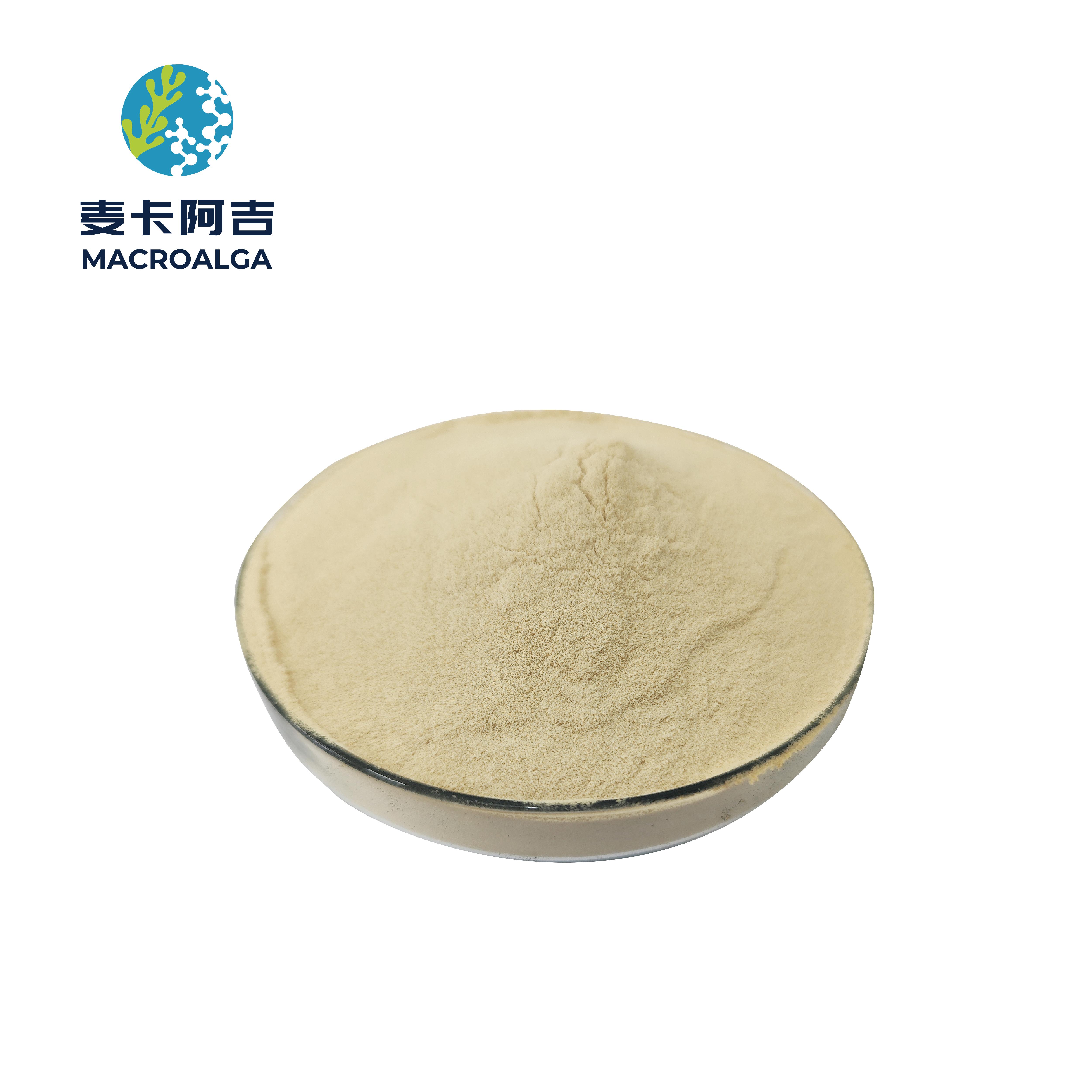
A certificate of analysis from a Chinese hydrolysate supplier can read like a complete disclosure, but it usually reflects only the parameters that were requested for that shipment. The missing part is where the risk hides: the protease or acid used to break the protein down, the amount of salt left after neutralization, the trace solvents or defoamers carried through the process, and the exact drying history of the lot. Those details rarely appear on a standard CoA, even though they shape how the hydrolysate behaves in a final formulation.
What also goes unsaid is the operational side. Raw material sources can change without notice, shared drying lines can introduce residues from other proteins, and a broad specification can absorb meaningful variation before a batch ever fails. The certificate will not mention that filtration was adjusted mid-run or that the material waited longer than planned before export. By the time the numbers look questionable, the inconsistency may already be in your inventory.
That makes the CoA a starting point rather than a safety net. The more useful questions focus on enzyme inactivation, desalting efficiency, and the supplier's actual lot-to-lot control limits. A short, vague reply tells you what the test results alone cannot.
Protein Source Decisions for Hydrolysate Happen Long Before You Meet the Supplier
The protein that ends up in a hydrolysate is rarely chosen in a boardroom or during a supplier audit. It starts with a quiet set of choices made months earlier: which raw material stream a manufacturer decides to valorize, how that stream is handled before hydrolysis, and what degree of enzymatic breakdown will still leave behind a recognizable peptide profile. By the time you sit across the table from a supplier, those upstream decisions have already fixed the ceiling for solubility, bitterness, and batch-to-batch drift. You can negotiate on price or lead time, but you cannot rewind the raw material's history.
Many buyers assume that a hydrolysate's quality hinges on the enzyme cocktail or the drying step. In practice, the more consequential fork in the road appears earlier—often at the rendering or filtration stage. A whey stream that was pasteurized too aggressively, or a fish byproduct that sat too long before processing, will carry off-flavors and peptide fragments that no downstream polishing can fully erase. Suppliers who understand this tend to talk about their raw material partners, storage windows, and segregation protocols before they ever mention a spec sheet. The ones who deflect those questions usually have something to hide upstream.
What makes this hard to see from the outside is that upstream decisions leave no visible mark on a certificate of analysis. Two hydrolysates can hit the same total protein, degree of hydrolysis, and moisture content, yet behave completely differently in a clear beverage or an elderly nutrition formula. The difference was locked in long before the first batch was spray-dried. So the next time you evaluate a hydrolysate, ask not only what the supplier did to the protein, but what happened to that protein before the supplier ever touched it.
Audit Questions That Reveal More Than a Chinese Hydrolysate Supplier’s Brochure
A glossy brochure usually stops at production capacity, certifications, and a few well-lit photos of stainless steel tanks. When you sit down with a supplier’s technical and quality staff, the questions worth asking are the ones that force them to describe how the process behaves on a bad day. For example: “What happens to a batch if the enzymatic hydrolysis runs past its target degree of hydrolysis?” or “Which step generates the most variation in ash content, and how is that variation controlled before drying?” Answers that include specific hold times, in-process limits, and rework rules tend to be more useful than a certificate on the wall.
Another set of questions should press on traceability and raw material origin. Ask the supplier to walk through a single lot from incoming pig skin or fish byproduct to the final spray-dried powder, including where the material waits and for how long. If the answer relies on a software screen rather than a named person who can explain the physical flow, that is worth noting. It also helps to ask about their quarantine handling for heavy metal or microbial out-of-spec results. Suppliers with a clear, slightly uncomfortable story about a rejected batch usually have more operational honesty than those who claim it never happens.
Why Smaller Chinese Hydrolysate Makers Can Outperform the Big Names
A smaller hydrolysate producer in Shandong or Anhui often works with a much shorter decision chain. A buyer who needs a specific degree of hydrolysis, a narrower molecular weight range, or a cleaner residual enzyme profile can usually get a revised sample within days instead of waiting through layered approvals at a larger corporation. That speed is not just about service; it directly shapes how well the ingredient fits a final formulation.
Many of the established names carry fixed production schedules and high minimum order volumes. Smaller manufacturers tend to run shorter campaigns and can adjust enzyme type, filtration pressure, or spray-drying temperature for one client without disrupting an entire quarter. For formulators who are still testing mouthfeel, solubility, or bitterness, this room to iterate is often more valuable than a well-known logo on the certificate of analysis.
Cost structure also plays a role, but the real edge comes from attention. A compact team is more likely to treat a mid-sized order as a priority account, keep the same technician on a project, and flag subtle batch variations before they reach the customer. That kind of oversight can make a smaller supplier more dependable than a bigger one whose hydrolysate line is only one part of a sprawling portfolio.
Where Hydrolysate Quality Is Actually Decided Before You See a Sample
Most of what ends up on a certificate of analysis is set long before the liquid reaches the sampling port. It starts with the raw material: the protein source, its denaturation history, mineral load, and even storage time all steer how enzymes can access cleavage sites. A batch that arrives with slightly higher fat or ash can shift the peptide profile enough that downstream adjustments never fully bring it back.
The reaction itself is another point where the outcome is quietly locked in. pH drift, temperature gradients near cooling surfaces, mixing shear, and the exact moment the enzyme is inactivated all leave marks on the molecular weight distribution. These variables are much harder to see than a color reading or a solubility test, yet they are the ones that decide bitterness, clarity, and mouthfeel before any analytical sample is drawn.
Even the finishing steps matter more than the final data suggests. A longer hold at high temperature can push Maillard reactions just enough to change color, while membrane cut-offs and dilution order determine which peptides survive into the packaged product. By the time a sample reaches the lab, the real decisions have already been made; the analysis mostly confirms what the process has already committed to.
FAQ
Ask for third-party lab reports covering protein content, ash, moisture, and heavy metals, then check if the supplier has in-house HPLC or amino acid profiling instead of relying only on external testing. A plant that can show recent batch data with actual variance is usually more credible than one offering only a certificate of analysis template.
Request retained samples from the last three production runs and compare their solubility, color, and protein distribution. It also helps to agree on a narrow specification range for molecular weight and degree of hydrolysis, and to ask whether the supplier blends intermediate batches to achieve consistency.
A proper shipment should include a certificate of analysis, allergen statement, heavy metal and microbiological test results, country-of-origin records, and a production batch traceability sheet. If a supplier hesitates to provide raw material sourcing details, that delay usually signals a gap in their quality system.
They can be, but only with suppliers that run pilot-scale or small-batch production lines. Low MOQs become risky when the supplier is simply repacking bulk material from another manufacturer, because traceability and customization claims often weaken at that point.
Request the actual analytical method used, such as size-exclusion chromatography or SDS-PAGE, not just the final number. Sending a sample to an independent lab and comparing it with the supplier's data is a practical way to confirm whether the stated degree of hydrolysis matches the product's behavior in your formulation.
Look for enzymatic hydrolysis control, membrane filtration capacity, gentle drying methods, and the ability to adjust peptide profiles without long lead times. A supplier with its own enzyme screening and application testing tends to handle custom projects better than one that only mixes finished powders.
Price pressure works better when linked to measurable factors like order volume, packaging simplification, or extended lead times rather than raw material substitution. Ask the supplier to explain which costs are fixed and which can be adjusted, because a sudden large discount often comes from changing the protein source or reducing quality checks.
Watch for limited access to the lab, missing retain samples, vague raw material storage records, or equipment that does not match the stated production capacity. Also pay attention to whether the staff can explain their HACCP points clearly, since a disconnect between paperwork and daily practice usually predicts future quality issues.
Conclusion
Price is rarely the real filter when sourcing protein hydrolysate from China; cheap material is easy to find, but batch-to-batch consistency is the harder negotiation, and it is exactly where most buyer-supplier friction starts. A certificate of analysis can look spotless while saying nothing about raw material substitutions, spray-drying shortcuts, rework ratios, or a supplier’s willingness to disclose process deviations before they become your problem. Much of the quality risk is locked in before you ever meet a vendor, because the protein source—fish, soy, pea, collagen, or blends—sets solubility, off-notes, molecular weight distribution, and nutritional limits that downstream QC cannot fully repair.
Useful audits go past the brochure and ask how a plant handles rework, allergen segregation, out-of-spec lots, and whether the person answering has actually walked the drying area. Smaller Chinese hydrolysate makers sometimes outperform the big names because their runs are shorter, their teams are closer to the production floor, and they can adjust enzyme dosing or temperature without waiting for a corporate sign-off. The real quality decision usually happens before a sample reaches your lab: raw material sourcing, pretreatment, enzyme selection, and drying temperature. Buyers who probe those steps tend to inherit fewer surprises than those who compare only price and specification sheets.
Contact Us
Contact Person: Kevin ZHANG
Email: [email protected]
Tel/WhatsApp: 8613505438449
Website: https://www.macroalga.com/