

China MVNO Solution: Streamlining Mobile Network Expansion for Global Operators
2026-06-30
As global operators race to expand their mobile networks, China’s MVNO model is emerging as a game-changer—offering a faster, more flexible path to market. At the heart of this shift is IPLOOK, a key enabler that’s redefining how connectivity is built and scaled. But what makes this approach so compelling, and why are forward-thinking players paying close attention? Let’s unpack the strategy that’s quietly reshaping the telecom landscape.
Unlocking China’s Mobile Market Through Strategic MVNO Partnerships
Entering China's mobile sector is a high-stakes game that demands more than just ambition. Instead of confronting entrenched giants head-on, forward-thinking companies are turning to MVNO partnerships as a lean path to market access. These agreements let you plug into existing infrastructure, bypassing years of construction and regulatory wrangling, while tapping into ready-made subscriber bases that bigger players often overlook.
The real advantage lies in the agility these collaborations offer. A well-chosen MVNO partner brings localized insight, nimble service design, and the ability to trial innovative bundles—from regional data plans to vertical-specific connected devices—without massive risk. It’s a sandbox where brands can refine their China strategy, adapt to consumer quirks, and build a foothold that feels organic rather than forced.
Navigating Regulatory Frameworks with Local Expertise
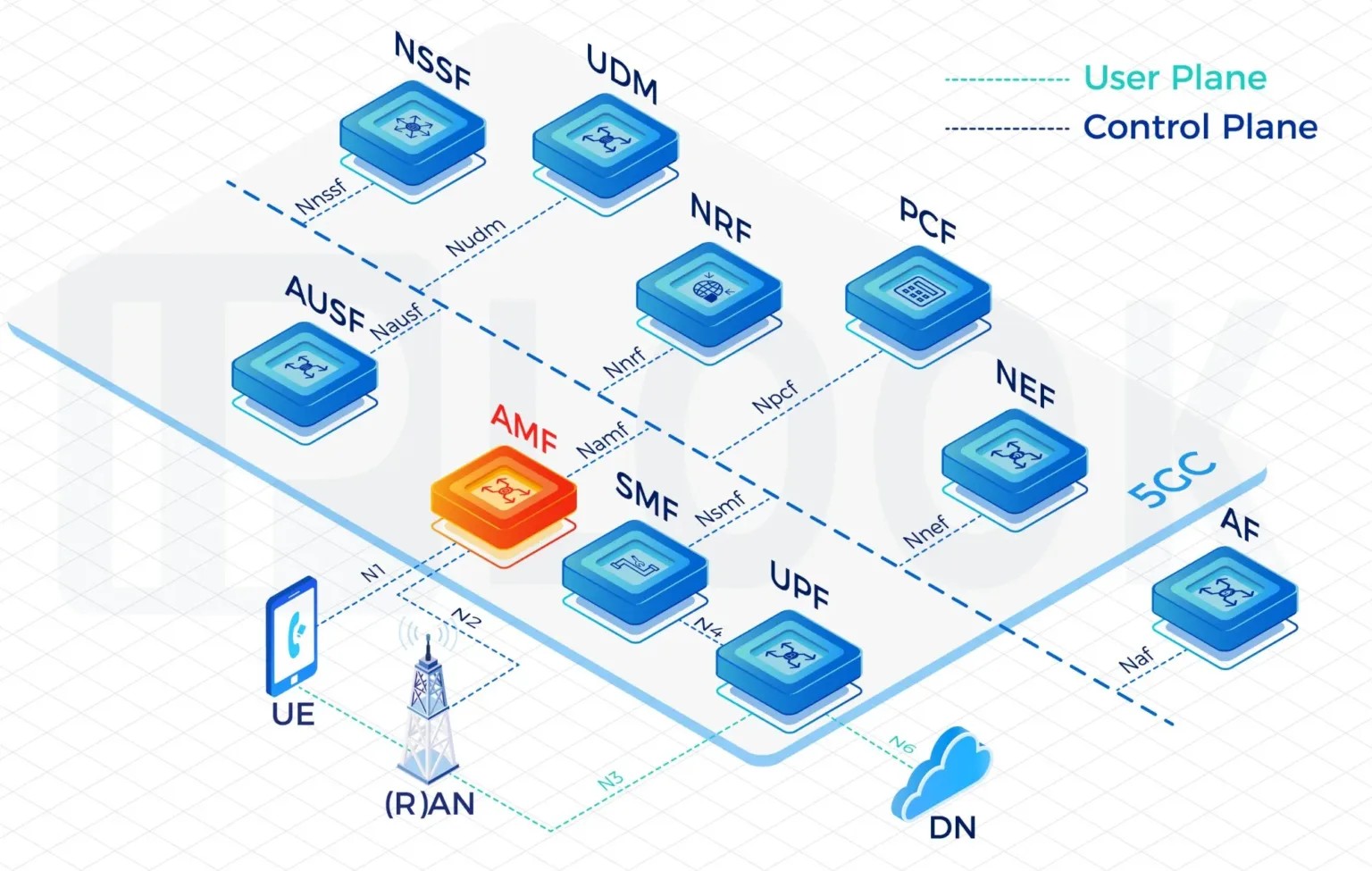
Understanding a country's regulatory landscape often requires more than just reading statutes—it demands a feel for how rules are actually enforced, who the key influencers are, and which unwritten norms shape decision-making. Local experts bring this nuanced perspective, having spent years interpreting signals that outsiders miss. They can tell you when a policy shift is genuinely disruptive or merely political theater, and they know which regulatory bodies have real teeth versus those that simply issue paper warnings.
Beyond interpretation, local expertise helps companies forge relationships with regulators that are built on trust and cultural fluency. In many markets, a well-timed informal conversation can prevent a compliance issue from escalating into a public crisis. Local advisors act as bridges, translating not just language but intent, so that your business actions align with both the letter and the spirit of the law. This human layer of navigation is something no automated compliance tool can replicate.
Finally, local knowledge is essential for anticipating regulatory changes before they happen. People on the ground track legislative chatter, bureaucratic reshuffles, and even media sentiment to forecast where rules are heading. This early-warning system allows companies to adapt proactively—adjusting licensing strategies, product formulations, or reporting structures—while competitors remain reactive. In complex jurisdictions, that foresight often makes the difference between smooth operations and costly missteps.
Accelerating Time-to-Market with Turnkey Solutions
Getting a product out quickly often means the difference between leading the market and playing catch-up. Turnkey solutions strip away the lengthy groundwork—months of scaffolding and testing are already behind you. Instead of assembling every component from scratch, your team can step in at a stage where the heavy lifting is done, focusing only on the fine-tuning that makes the offering distinctly yours.
The hidden cost of custom builds isn't just money; it's the time lost to integration headaches and unforeseen technical snags. With a pre-assembled system, those hurdles have already been cleared. That means your engineers aren't bogged down debugging communication protocols between modules; they're polishing the user experience and adding the features that actually move the needle for customers.
Beyond just speed, there's a confidence that comes with a proven foundation. When you adopt a turnkey approach, you're not gambling on unproven architectures. You're building on a backbone that has been stress-tested across different scenarios, which reduces the risk of post-launch surprises. This lets you promise a delivery date and hit it—without the all-nighters and last-minute heroics that usually accompany an aggressive timeline.
Harnessing Advanced Network Infrastructure for Seamless Service
Modern networks have moved far beyond simple connectivity; they now function as adaptive, software-driven frameworks that mold themselves around the demands of traffic in real time. By blending technologies such as intelligent path selection and dynamic edge processing, the infrastructure quietly eliminates many of the traditional barriers that cause lag or interruption. It’s less about raw speed and more about ensuring that every packet finds the most efficient route, even under heavy loads or during unexpected hardware hiccups.
When deployed thoughtfully, these systems keep applications like high-definition video calls or remote surgery tools consistently smooth without constant manual tuning. The underlying architecture works to flatten latency spikes by rerouting data before users ever notice a decline. Bandwidth gets allocated not on a first-come basis, but according to what’s actually needed at each millisecond, which means your critical work gets priority without anyone having to flag it.
Looking ahead, this sort of infrastructure absorbs new capabilities without a full overhaul. Whether it’s integrating satellite links for rural coverage or shifting compute tasks closer to sensors in a factory, the network adjusts on its own. That kind of quiet flexibility means organizations can adopt emerging technologies as they see fit, rather than being locked into a plan that’s obsolete by the time it’s implemented.
Cost-Efficient Scaling Without Compromising Quality
Growth often forces a trade-off: either you stretch your budget thin or you settle for less polished output. But what if scaling didn’t have to mean sacrificing the very thing that made your work stand out? The trick lies in smart automation and process design that remove repetitive work without chipping away at the human touch that customers notice.
Instead of hiring in direct proportion to demand, we focus on building modular systems where quality safeguards are baked into each step. Think of it as refining a recipe—the right tools and checkpoints let you serve more people while the taste stays exactly the same. This approach doesn’t just control costs; it often uncovers inefficiencies that were hiding in plain sight.
The result is a service that grows with you, where consistency doesn't waver from the first user to the ten thousandth. Clients see no dip in delivery, and internally, teams aren’t overworked chasing unmanageable targets. It’s about scaling with clarity, not compromise.
Tailored Support for Diverse Global Operator Needs
Every operator faces a unique blend of regulatory, cultural, and technical challenges. We don’t believe in blanket solutions—instead, we immerse ourselves in your local context, adjusting our approaches to align with specific market demands and customer expectations. From flexible compliance frameworks to region-specific feature sets, our support model is built to adapt, not dictate.
Our partnerships thrive on genuine collaboration. We assign dedicated teams who speak your language, understand your operational rhythms, and respond with agility when priorities shift. Whether you’re scaling in a mature market or launching in an emerging one, you’ll have direct access to experts who can help you navigate everything from spectrum nuances to billing intricacies, without the usual red tape.
This isn’t about off-the-shelf assistance; it’s about crafting a support ecosystem that feels like an extension of your own team. We invest time in understanding your long-term vision, then coordinate across our global resources to deliver the right mix of on-site and remote guidance. The result? A partnership that respects your independence while equipping you to meet the unexpected head-on.
FAQ
A China MVNO solution lets global operators lease network capacity from established Chinese carriers rather than building their own towers and core infrastructure. This approach bypasses the heavy capital expenditure and multi-year rollout timelines. Unlike traditional expansion, where a company must secure spectrum licenses and deploy physical assets, an MVNO arrangement focuses on branding, billing, and customer relationships while the host network handles coverage and connectivity.
China's telecom market is dominated by three state-backed giants with extensive, deeply entrenched infrastructure. Newcomers face immense barriers: complex licensing, limited spectrum availability, and high construction costs. The MVNO route offers immediate nationwide reach without negotiating countless local permits or investing in duplicate networks. It also sidesteps the political and regulatory hurdles that can delay market entry indefinitely.
A well-connected Chinese MVNO partner already holds the necessary value-added service licenses and has established relationships with regulators. They manage compliance on behalf of the global operator, including data localization requirements, user identity verification, and lawful interception mandates. This pre-built compliance framework means the foreign entity doesn't need to navigate the opaque licensing process alone — the administrative burden is absorbed by the local partner.
The financial leap is dramatic: full network deployment can cost billions, while an MVNO entry can launch with minimal upfront investment, shifting costs to a usage-based model. Global operators avoid expenses for site acquisition, equipment, spectrum auctions, and maintenance. Instead, they pay wholesale rates to the host carrier, preserving capital for customer acquisition and service innovation. This transforms fixed infrastructure costs into variable operational expenses.
By plugging into an existing network, global operators can go from contract signing to commercial launch in weeks or months, rather than years. The Chinese MVNO already has platform integration points for SIM provisioning, billing, and customer support. Technical onboarding typically involves API connections and branding customization, not building from scratch. This speed is critical in capturing seasonal business or responding to sudden demand shifts.
Compatibility with local network architectures (often Huawei or ZTE-based) is key. The operator needs to assess API readiness for real-time rating, policy control, and eSIM management. Data traffic routing must comply with Chinese regulations, meaning user data stays within national borders. Also, the MVNO's billing and OSS/BSS systems should support the operator's international roaming, multi-currency, and multilingual requirements to avoid creating disjointed customer experiences.
Yes, many Chinese MVNOs now offer 5G access and dedicated IoT connectivity through the host carrier's next-gen network. They provide sliced virtual networks that can prioritize specific traffic types, enabling factories or logistics firms to run low-latency automated systems. Global operators can resell these capabilities under their own brand, packaging them with edge computing or device management — all without direct spectrum control.
First, technical agility: the partner must support quick provisioning, flexible billing, and seamless API integration. Second, regulatory fluency — they should manage audits, data security, and lawful compliance transparently. Third, network quality commitments must be enforceable through SLAs. Finally, operational synergy matters: a partner that understands the global operator's brand values and customer service standards will help maintain consistency across borders rather than creating a disjointed offshoot.
Conclusion
Entering China's mobile market isn't just about ambition—it demands a partner who can turn regulatory complexity into strategic advantage. Our MVNO solution opens the door through carefully built local partnerships, giving global operators immediate access to a market that has long been difficult to penetrate independently. We handle licensing, compliance, and the intricate government relations that often stall newcomers, so operators can bypass years of groundwork. By coupling this regulatory navigation with turnkey operational frameworks, we drastically cut time-to-market, allowing brands to launch services without building infrastructure from scratch. The result is a faster, de-risked entry where operators concentrate on customer acquisition while we manage the essential behind-the-scenes integration.
Beyond the launch phase, our approach ensures sustainable growth through advanced network access and cost-conscious scaling. We leverage relationships with China's top-tier carriers to deliver seamless voice and data services, tapping into nationwide 5G and IoT-ready infrastructure. This allows operators to expand their footprint without compromising on quality, even as they scale rapidly. Every partnership is shaped around individual operator needs—whether that's white-label billing, localized customer support, or flexible wholesale agreements. By blending infrastructure reliability with genuinely tailored service models, we help operators grow efficiently, keeping both operational costs and user satisfaction in sharp focus.
Contact Us
Contact Person: Shimmy
Email: [email protected]
Tel/WhatsApp: 85253392231
Website: https://www.iplook.com