

China Foot Massage Roller Benefits for Tired Feet and Daily Relaxation
2026-11-29
Your feet log every step, every stand, and every rushed commute—and they rarely get the recovery they deserve. A China foot massage roller turns a few quiet minutes on the couch into targeted relief for tired arches and tight soles, with no complicated setup. It is the kind of small daily habit that makes relaxation feel immediate instead of scheduled. Whether you are dealing with long shifts or simply want an easier way to unwind at night, the right roller matters. HAOSHUFU designs options that fit that everyday need without unnecessary extras.
Your Feet Take the First Hit Every Day
The first meaningful impact of the day usually lands on the heel before the knees or hips even get involved. A barefoot step on a hard bedroom floor, a quick shuffle across tile, a jog down a concrete stairwell; each contact sends a small shock through the heel pad, up into the arch, and across the ball of the foot. None of these feel harmful on their own, but after several thousand repetitions the tissue starts to complain in ways that get mistaken for poor posture or bad luck with shoes.
Much of that strain comes down to how the foot is allowed to move. Toes pinned into narrow toe boxes stop spreading the load, while an overly soft midsole can ask the arch to do more work than it is ready for. The foot is built to handle varied surfaces and small adjustments, but most modern flooring and footwear flatten that variety into the same unchanging pattern. Over time, that repetition wears on the plantar fascia, heel fat pad, and the smaller stabilizing muscles that rarely get trained.
A few low-key changes tend to matter more than chasing the most cushioned shoe. Spending a few minutes walking barefoot indoors, rolling a ball under the arch, and choosing footwear with enough room for the toes to separate can spread the daily impact more evenly. The goal is not to make every step feel weightless, but to keep the first point of contact from quietly accumulating damage by the end of the week.
What a Chinese Wooden Roller Can Do That Stretching Alone Cannot
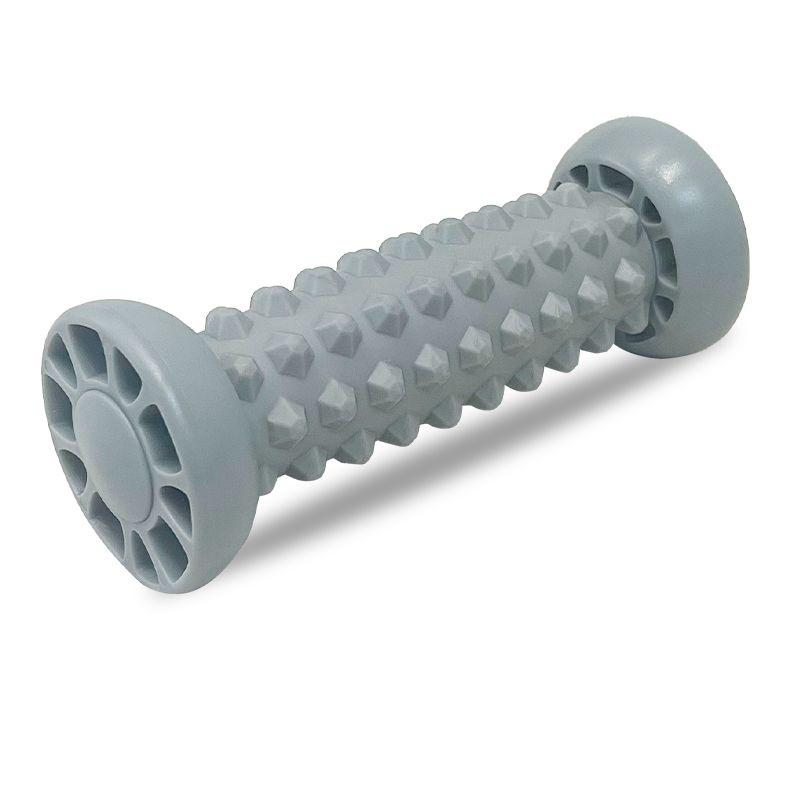
Stretching pulls a muscle toward length, but many tight areas aren't actually short—they're glued down. A wooden roller works by pressing skin, fascia, and muscle against one another while you move through the tender spot. Because the wood doesn't compress the way foam does, more of that pressure reaches the deeper layers where the stuck feeling lives.
Then staying on one spot changes the nervous system's grip. The discomfort fades after a few slow breaths, not because the tissue grew longer, but because the brain decided the area was safe enough to let go. Stretching rarely has that effect; it asks the whole chain to lengthen at once, and the stiffest fibers can dodge the load.
The roller also brings heat and fluid into a small area that usually gets neither. That local congestion, eased by steady pressure, gives a kind of release that pulling alone cannot. It's less about making a muscle longer and more about restoring the slide between tissues—something you can feel immediately when you stand up and move.
Start With the Arch, Then Let the Toes Follow
Most people try to grip the floor with their toes the moment a balance pose gets shaky. That only locks the ankle and flattens the midfoot. Instead, imagine the center of the foot lifting into a small, soft dome. The ball and heel stay grounded, but the arch rises without hardening.
Once that arch is awake, the toes can settle. They are not frozen, and they are not clawing. Think of them landing the way a painter lets a brush touch the canvas: deliberate but relaxed. When the toes follow rather than lead, the weight spreads away from the outer edge and the knee stops drifting inward.
Try it in a simple standing forward fold or a squat. Begin by drawing the inner ankle up, feel the arch respond, and only then let the toes lengthen toward the floor. The movement becomes less about holding on and more about unfolding from the sole.
The Calming Effect Travels Up Before You Notice It
There is a strange quirk in the way the body lets go. It rarely starts in the mind, even though that is where we expect peace to show up first. More often, the signal begins lower—shoulders drop a fraction, a clenched jaw loosens, the soles of the feet feel heavier against the floor. By the time the thought arrives—I feel a little better now—the shift has already been underway for several minutes.
This upward quiet has its own timing. It does not announce itself the way a sudden relief does. Instead, it moves like warmth returning to cold fingers: gradual, almost imperceptible, and easy to miss if you are waiting for a dramatic change. People sometimes describe it as noticing their breathing only after it has already slowed, or realizing their hands have uncurled without a conscious decision to relax them.
That delay is worth trusting. When the calming effect travels up before you notice it, the body is not asking for your permission. It is simply doing what it knows how to do once the conditions soften. Attention catches up later, and that is often enough.
Five Minutes on the Floor Beats an Hour of Overthinking
Lying on the floor sounds like giving up, but it is closer to a reset. The hard surface presses against your back, your breathing slows without being forced, and the loop of half-formed worries loses its grip because your body finally has something real to notice. Five minutes is enough to shift from rehearsing old conversations to feeling the cool boards under your palms.
Overthinking feeds on stillness that is not grounded. Sitting upright in a chair, staring at a screen, keeps the mind tight and busy. Down on the floor, the change in posture interrupts that pattern. Your shoulders settle, your jaw unclenches, and thoughts become less urgent when your weight is fully supported. There is no method to perfect here. Just get down, stretch out, and let the floor hold the tension for a while.
Choose a Roller That Matches Your Tolerance, Not a Trend
Rollers get marketed in waves. One season everyone pushes a super-soft duro, the next it's all about hard wheels for speed. But your tolerance isn't shaped by what's popular online. If a wheel feels too sluggish or too harsh under your feet, no amount of social proof will make it right. Start with the surfaces you actually skate most days, then let your own joints and reflexes tell you where the comfort zone sits.
A roller that fights your natural rhythm turns every session into a negotiation. Too hard and every crack in the pavement travels straight up your knees. Too soft and you're working twice as hard to keep momentum. The right choice disappears beneath you. It doesn't demand attention, doesn't force a style change, and doesn't leave you counting down minutes until the pain starts. That kind of match only comes from honest testing, not from copying someone else's setup.
Trends move fast. Your tolerance shifts slower, shaped by age, injury history, and how many hours a week you actually put in. Chasing the newest recommendation often means ignoring what your body already knows. Write down what worked and what didn't, even if it contradicts the current favorite. Over time that log becomes more reliable than any product launch cycle.
FAQ
The firm surface presses into the arches and heels, which encourages the small muscles to release instead of staying clenched. Many people notice that the achy, heavy feeling fades within a few minutes because the rolling motion also brings fresh blood flow back to the area. It is less about doing a long routine and more about giving the feet a way to unwind the same way you would stretch a stiff back.
A tennis ball is soft and often rolls away, while a wooden roller has a stable shape and a textured surface that can reach deeper into the arch and along the edges of the heel. The ridges are not just decoration; they break up the monotony of a smooth surface so you can target tight bands without pressing so hard that you tense up.
Yes, and that is probably the easiest way to stay consistent. Place the roller under one foot, keep your heel heavy, and move your foot back and forth slowly while your attention stays on the screen or your work. You do not need a dedicated session, just a few minutes here and there.
Start with less than you think you need. You want a deep, dull stretch that feels productive without making your toes curl or your shoulders rise. If you are wincing or holding your breath, lift some weight off the roller. Sore feet respond better to a slower, lighter pass than to aggressive digging.
Many people feel short-term relief after the first few uses, especially if they roll for a few minutes before bed. The more lasting change usually comes after a week or two of near-daily use because the muscles learn to stay less guarded. Consistency matters more than session length.
Both can benefit, but the approach is slightly different. If you have flat arches, let the roller sit more toward the middle of the foot and move gently. If you have high arches, you may need to spend extra time on the ball of the foot and the outer edge. Anyone with nerve pain, wounds, or a recent injury should check with a clinician before adding pressure.
Yes, and those tender spots often point to places where the muscles have been holding tension. Instead of avoiding them, slow down and use lighter pressure until the sensation softens. If the tenderness feels sharp or lasts long after you stop, give the foot a rest day and try again with less force.
Evening tends to work well because the feet are already tired and the slow rolling can signal the body to shift into rest mode. Some people also like a brief morning pass to wake up stiff feet before walking. The best time is the one you can actually repeat without it feeling like a chore.
Conclusion
Tired feet rarely get the credit they deserve for holding up the rest of the day. By evening, the arch, heel, and toes have absorbed a surprising amount of impact, and that accumulated tension is exactly what a Chinese wooden foot roller works on. Unlike a typical calf or foot stretch, the roller’s ridges press into the arch with a depth that stretching alone cannot reach, breaking up the stiff, knotty feeling that walking and standing leave behind. The most comfortable approach is to begin under the arch with light pressure and gradually let the toes curl and spread over the surface, so the foot releases in smaller, more manageable layers instead of being forced into one harsh position.
What makes the habit stick is how quickly the body responds beyond the feet. The slow, rolling pressure seems to calm the nervous system, and that quieter feeling moves up through the legs and lower back before you consciously register it. On a restless evening, five minutes with a roller on the floor often does more to settle the mind than an hour of replaying the same thoughts. It also helps to ignore the idea that a more aggressive roller must be better. Choosing a firmness that feels tolerable, rather than chasing a trend or an extreme design, keeps the practice from becoming another source of strain. Over time, the roller turns into a simple daily reset for both tired feet and mental noise.
Contact Us
Contact Person: Wang Chong Fong
Email: [email protected]
Tel/WhatsApp: 8618926872832
Website: https://www.dgxiangqin.com