

China Eco-Friendly Packaging Is Redefining Sustainable Supply Chains Worldwide
2026-11-16
Walk into any major retail aisle today and the shift is impossible to ignore: the same boxes, wraps, and mailers that once ended up in landfills within days are now being engineered to disappear without a trace. China, long viewed as the world's manufacturing engine, is quietly rewriting the rules of sustainable supply chains, turning eco-friendly packaging from a niche checkbox into a global competitive advantage. From molded pulp made of agricultural waste to water-based inks that leave no toxic residue, the innovations coming out of Chinese production hubs are forcing brands everywhere to rethink what “green” actually means. At the center of this transformation, Imagine Craft Packaging is helping international buyers navigate a landscape where compostable materials, lightweight logistics, and circular design are no longer optional extras but the baseline for doing business. Yet for every brand that claims to be sustainable, there are a dozen hidden trade-offs: higher costs, weaker durability, or supply chains that still rely on fossil-fueled transport. So what is actually changing on the factory floor, and which of these innovations will survive the leap from pilot projects to mass adoption? This is not just a story about boxes and bags. It is a look at how one country's push for greener packaging is reshaping the flow of goods, the expectations of consumers, and the bottom line of brands far beyond its borders.
Molded fiber and bamboo pulp are pushing plastic out of China’s export packaging
At a packaging plant in Dongguan, rows of steam-pressed trays now dry under ceiling fans where polyethylene foam sheets used to be stacked. The switch started with a handful of European buyers asking for plastic-free cushioning; within two years it became the default line for kitchenware, electronics accessories, and ceramic exports. The material is usually recycled corrugated waste or fast-growing bamboo broken down into a slurry, then vacuum-formed and baked into rigid shapes that survive drops against concrete without the squeak and static of foam.
The real pressure is less about virtue than arithmetic. Virgin plastic pellets and resin price swings have made molded pulp predictable, and bamboo pulp mills in Sichuan and Fujian can run on crop thinning that once had little market. Exporters also face tightening rules in France, Germany, and the Netherlands, where expanded polystyrene packing peanuts and blister trays are taxed or banned outright. A mid-size kitchenware exporter in Ningbo said the per-unit cost for a molded fiber insert is now within eight percent of foam, but the rejection rate at European customs is nearly zero, which matters more than the margin.
The factory-floor changes making zero-waste packaging a practical default
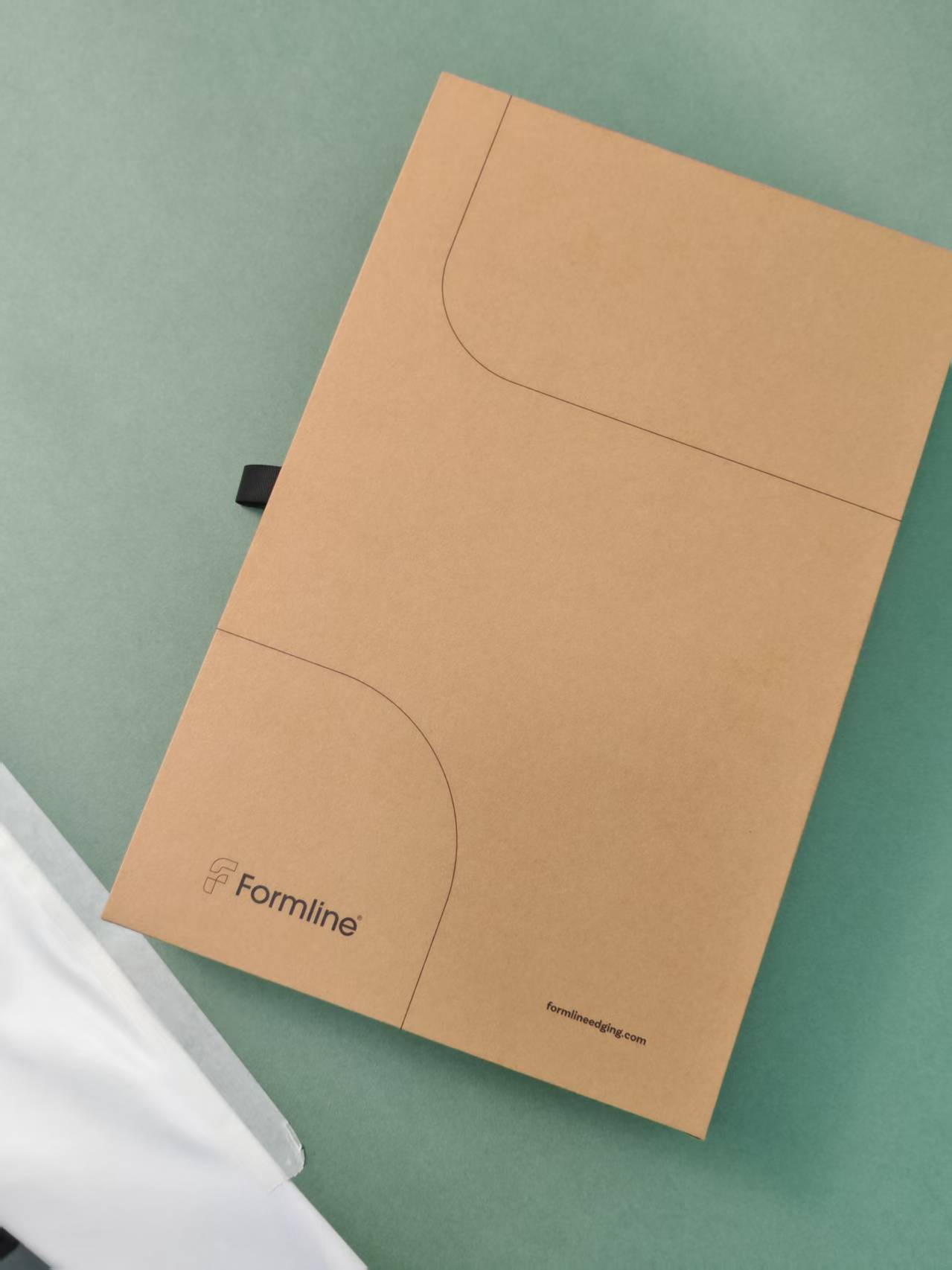
For years, zero-waste packaging lived in the realm of pilot projects and eco-brand promises. What changed is the factory floor itself. Lines that once assumed a single material stream now run with vision systems that sort trim scrap by polymer and colour in real time, sending it back to the extruder before it ever reaches a waste bay. It is less about installing a recycling bin and more about making the default path of production circular.
The shift also shows up in tooling and changeover routines. Quick-swap dies let operators move between mono-material film weights without purging as heavily, so the off-spec rolls that used to pile up at shift change stay small enough to reuse. Sensors track thickness and sealing window continuously, adjusting heat and speed before a bad batch is produced. When waste is prevented at the point of creation, zero-waste claims stop being a marketing layer and start appearing in the daily shift log.
Maybe the most telling change is in how line teams are organised. In plants that made the switch stick, quality control and maintenance share the same downtime window, and operators have the authority to stop a run if contamination threatens the material flow. That kind of floor-level decision-making, rather than a sustainability dashboard, is what turns zero-waste packaging from a special campaign into the standard way the line runs.
Policy momentum turns green packaging from compliance burden into competitive edge
For years, packaging teams treated sustainability mandates as a checklist exercise—swap in recycled content, shrink film thickness, document the whole thing for auditors. The work was real but rarely strategic. That posture is now outdated. A wave of extended producer responsibility schemes, single-use plastic bans, and carbon border adjustments is pushing green packaging from the back office into the boardroom, where it's starting to reshape supplier choices and product roadmaps.
The shift shows up in how margins are being protected. Companies that moved early on lightweighting and mono-material redesigns are discovering lower logistics costs, fewer regulatory surprises, and better shelf placement with retailers who have their own climate targets. Meanwhile, firms still treating compliance as a quarterly reporting exercise face steeper fees, fragmented packaging lines, and buyers quietly walking away. The economic logic has flipped: avoiding policy risk is no longer enough. Packaging design is becoming a lever for cost control and customer retention.
This doesn't mean every sustainable packaging bet pays off immediately. Some bio-based materials still carry a premium, and collection infrastructure remains uneven across regions. But the direction is clear. Policy momentum is rewriting the rules of competition, and packaging engineers who can translate regulations into lighter, cheaper, more recyclable formats are moving from cost centers to value creators. The burden hasn't vanished; it has simply changed sides.
Why lighter plant-based parcels are reshaping cross-border freight economics
The economics begin with dimensional weight, not just scale weight. A carton of dehydrated black bean patties or oat-milk powder occupies far less room than a chilled meat shipment of the same retail value, allowing smaller parcels to move through standard air freight lanes instead of dedicated cold-chain routes. That space efficiency quietly lowers per-unit freight charges, making cross-border sales viable for brands that would otherwise drown in logistics costs.
Shelf stability changes the routing map even further. Without animal proteins, many plant-based items skip refrigerated trucks, gel packs, and temperature loggers altogether. Fewer delicate handling requirements mean fewer rejected loads, shorter customs holds, and the ability to use ordinary e-commerce hubs where consolidation rates are cheaper and departure windows are more frequent.
Customs complexity drops too. Products built around grains, legumes, and root vegetables often land in simpler import classifications than meat or dairy equivalents, especially when the ingredient panel is short and processing is minimal. For smaller exporters, that reduced paperwork and inspection risk turns a marginal parcel into a repeatable trade lane, slowly reshaping which goods cross borders profitably.
What global brands are learning from Chinese suppliers about circular design
The most uncomfortable lesson for many Western brands is that circular design rarely starts with a bold sustainability statement. It starts on the factory floor. Chinese suppliers have been reworking snap fits, screw bosses, and adhesive patterns not because they want a certificate, but because a product that can be stripped in minutes costs less to refurbish or recycle. One electronics assembler in Shenzhen shifted from glued battery compartments to a single locking tab. The change added almost nothing to the unit price, yet it turned a hazardous tear-down into a routine line operation.
Brands are also noticing how much circularity depends on material recovery systems that already exist rather than imagined ones. A textile mill in Zhejiang feeds cotton offcuts back into carding machines and sells the resulting yarn as a mid-grade input, while a plastics compounder in Guangdong adjusts regrind ratios for each batch instead of insisting on virgin purity. These are not showcase projects. They are cost and waste controls hidden inside ordinary contracts. Once brands see them, the conversation shifts from 'can we recycle this?' to 'what does our design force the supplier to throw away?'
What travels back to brand headquarters is a quieter kind of design intelligence: choose fewer material blends, make fasteners visible, leave room for a worker's hand or a simple tool, and treat reverse logistics as a production flow rather than a cleanup exercise. The suppliers who lead in this area rarely use the word circular. They talk about yield, seconds, teardown time, and whether a returned unit can be made saleable again without crossing an ocean.
Closed-loop packaging is outgrowing its pilot phase across China’s logistics hubs
The shift from isolated trials to operational reality is most visible in how packaging now moves through regional distribution networks. At several major freight hubs in eastern and southern China, returnable crates and modular folding containers are no longer limited to a single brand's supply chain. Third-party logistics providers have started pooling these assets across multiple clients, scheduling reverse flows alongside forward deliveries instead of treating them as an afterthought.
What was once a sustainability showcase has quietly become part of daily warehouse planning. Workers scan reusable packaging at the same docks where cardboard would have been broken down a year ago, and the data feeds into routing systems that decide when a batch of empty containers should head back toward a manufacturer. The volume is still uneven — electronics and automotive parts lead the way, while fast-moving consumer goods lag behind — but the operational rhythm has changed. Managers now talk about container dwell time and return rates with the same ease as they discuss shipment lead times.
The scaling is gradual, not dramatic. Some hubs report reverse logistics costs falling below the price of repeatedly sourcing single-use packaging, but only when handling volumes stay above a certain threshold. That threshold has become easier to reach as more warehouse operators share exchange points, letting packaging circulate across company boundaries without lengthy detours. The pilot phase ended not with a formal announcement, but with the simple observation that reusable packaging has become one more item to track — and one that increasingly pays for itself.
FAQ
It combines large-scale manufacturing capacity with rapid material innovation, allowing brands to switch from single-use plastics to molded fiber or biodegradable films without major cost jumps.
Bagasse, bamboo pulp, mushroom-based foam, and seaweed-derived films are gaining traction, partly because they can be produced near existing packaging hubs in southern China.
Many now offer in-house testing, carbon footprint data, and modular packaging designs that reduce shipping volume, making it easier for foreign buyers to verify environmental claims.
No, it also includes lighter-weight designs, reusable return systems, and water-based inks, which together lower emissions across warehousing and last-mile delivery.
China's restrictions on non-degradable single-use plastics in major cities have pushed domestic suppliers to develop cost-competitive alternatives years before many Western markets set similar rules.
Yes, localized production of molded pulp and biofilms shortens lead times and reduces reliance on petroleum-based resin imports, which can stabilize purchasing during energy price swings.
Moisture resistance for hot or greasy foods, limited composting infrastructure, and inconsistent certification standards remain the main hurdles, though coating technology is improving quickly.
Conclusion
Across China’s export hubs, the shift away from plastic has moved well beyond pledges. Molded fiber and bamboo pulp now show up in packaging for electronics, home goods, and cosmetics, giving buyers a familiar protective shape without the polymer waste. On factory floors, zero-waste routines have become less of a special initiative and more of a standard operating rhythm. Offcuts are re-pulped, water is reused, and line workers track material loss the way they once tracked output. Policy pressures that initially felt like paperwork are starting to reward early movers, turning environmental rules into a reason for overseas clients to stay rather than switch.
The financial logic is just as important. Lighter plant-based parcels cut air and sea freight costs, and because they compress more efficiently, fewer containers carry the same volume. That shift is changing how importers calculate landed cost. At the same time, global brands are borrowing ideas from Chinese suppliers, especially around circular design. Packaging is now shaped for reuse, disassembly, and local recycling streams from the start. In major logistics hubs, closed-loop systems have outgrown the pilot stage, with collection, cleaning, and reissue happening at a scale that would have seemed unlikely just a few years ago.
Contact Us
Contact Person: Sunnie
Email: [email protected]
Tel/WhatsApp: +8615818596517
Website: https://www.imagine-craft.com/