

China Cooling Gel Mattress Topper Can It Really Keep You Cool All Night?
2026-11-17
Night after night, cooling mattress toppers tend to start strong and then settle into the same warm, sticky feel as regular foam. That pattern is why the claim behind China cooling gel mattress toppers deserves more than a passing glance. Kunbao leans into gel-infused construction to pull heat away from the body, but the real test is whether that cooling effect lasts past midnight. This post looks at how it actually performs, what the materials can and can't do, and whether it's worth the upgrade.
What Happens After the First Two Hours
Once the two-hour mark passes, the early eagerness starts to wear thin in small, specific ways. The seat feels firmer, the air in the room gets warmer, and the task that seemed crisp at the start now has edges. Attention stops sweeping broadly and begins to fixate on minor snags, which is why people often feel suddenly restless without knowing exactly what changed. The initial energy rarely disappears all at once; it fades into a kind of low-grade friction that can be mistaken for boredom or failure.
The body also begins to make quieter demands. A need for water, a change in lighting, or a short stretch moves from background noise to a noticeable pull. People who ignore these signals tend to slow down in a scattered way, re-reading the same line or checking the clock more often. Those who take a brief pause usually return with a different pace, not necessarily faster, but steadier and less forced.
This is the phase where the original plan either adjusts or starts to crack. The goal hasn't changed, but the approach often has to. A tighter focus on the next few minutes works better than staring at the whole remaining stretch, and small resets become more valuable than sheer effort.
Why Cool to the Touch Is Not the Same as Staying Cool
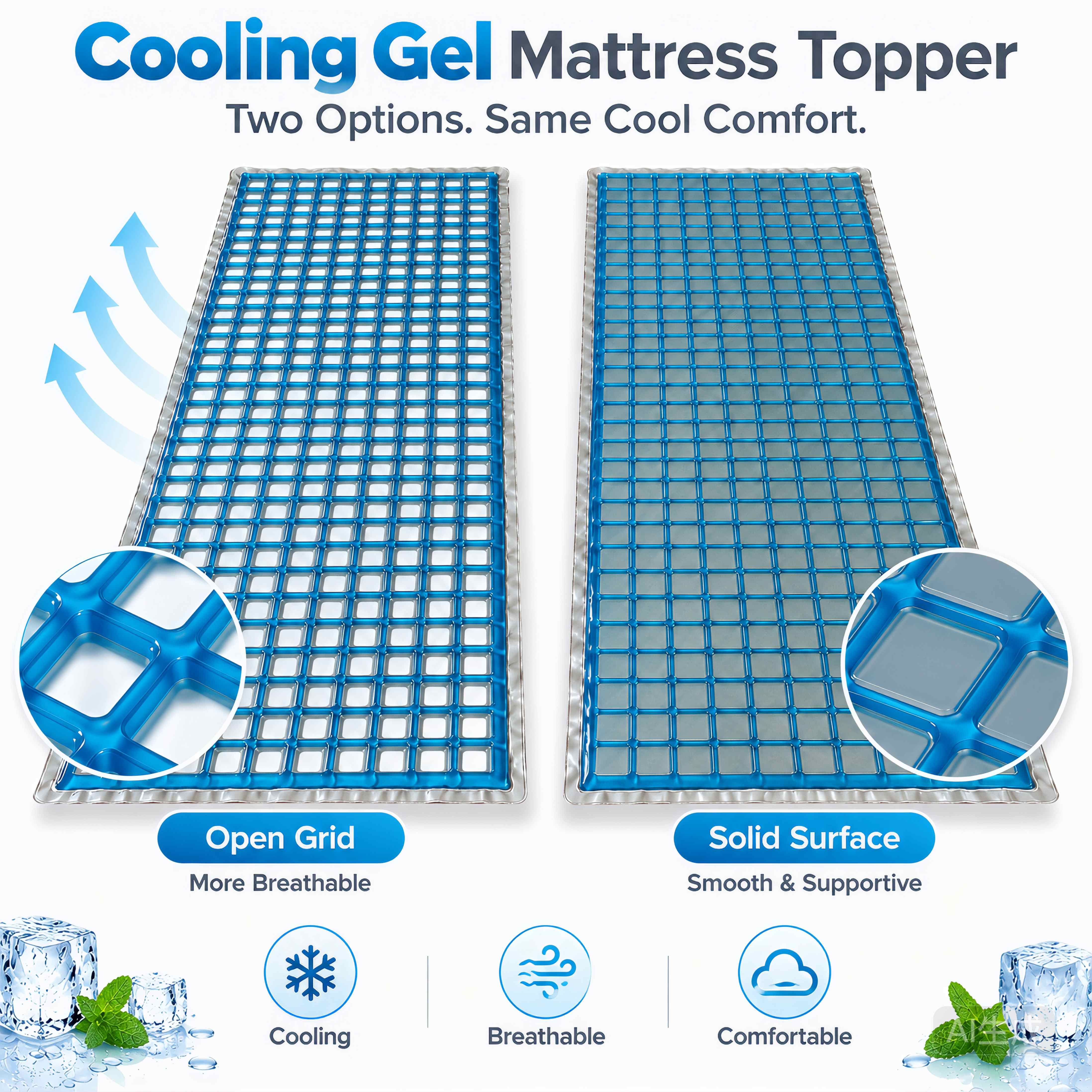
A surface can feel cold against your fingers simply because it pulls heat away from your skin quickly. That momentary chill, however, has little to do with how the material behaves over the next hour. Dense stone, metal, and even some synthetic countertops all register as cool at first touch, yet many of them trap warmth once they sit against the body or absorb surrounding heat.
The real difference appears when the material has to manage warmth over time. Fabrics or foams that rely only on a cold hand feel often lose that effect within minutes because they lack ventilation or moisture movement. By contrast, surfaces and textiles that stay comfortable usually combine breathability with some ability to release heat rather than just storing it.
So that first cool sensation is useful, but it is not a promise. The question worth asking is whether the material can keep moving heat away once your body warms it, not whether it feels chilled in the store.
Humidity and Night Sweats Change the Test
A room that feels dry at the start of the night can change within hours. When humidity climbs or night sweats set in, the layer of air next to the skin becomes damp and warm, which alters how sensors interpret temperature, motion, and even breathing. A mattress sensor that works well in a cool, dry room may start mistaking moisture for restlessness, while a chest strap can slip or lose contact as sweat pools under the band.
That is why a single testing protocol rarely survives contact with real sleeping conditions. Instead of treating humidity and sweat as minor noise, it makes more sense to adjust the test itself: log the room conditions, change sensor placement if needed, and accept that some nights will carry a wet-bulb signature rather than a clean baseline. Keeping a short note about sweating or open windows may explain an otherwise strange spike and prevent a useful measurement from being discarded as bad data.
Gel Distribution and Foam Density Often Matter More
Most people fixate on the obvious numbers—whether a foam is open-cell or closed-cell, or what its density rating says on the spec sheet. In practice, those figures only tell part of the story. The way gel is actually spread through the material, and how evenly the foam solidifies, can change how a mattress or cushion feels more than a small difference in reported density. You might have two samples with identical lab numbers, yet one feels springy and supportive while the other collapses under pressure because the gel distribution was uneven or the foam cell structure was inconsistent from edge to center.
This explains why a "high-density" product can sometimes feel worse than a mid-density one. Dense foam with poor gel dispersion often traps heat and creates hard spots, while a lighter foam with careful gel placement can breathe better and contour more naturally. When you press your hand into the surface, what you are actually sensing is not density as a single number, but local variations: areas where gel pooled, where air pockets grew too large, or where the foam cured faster than it should. Those micro-level inconsistencies are what separate a comfortable sleep surface from one that feels lumpy or dead after a few weeks.
If you are comparing samples, ignore the marketing labels for a moment. Look at the cut edge under bright light, press slowly across the entire surface, and pay attention to how quickly the material recovers. A well-made foam with balanced gel distribution will spring back evenly and feel the same at the corners as it does in the middle. That tactile check often reveals more than any data sheet, because real comfort comes from what happens inside the material, not from a headline number printed on the packaging.
How to Read Chinese Factory Specs Without the Hype
Most factory spec sheets are a mix of borrowed brochures and optimistic lab results. Start by ignoring adjectives like heavy-duty, high-precision, or food-grade unless they are tied to a measurable number. Ask for the actual material grade, tolerance band, coating thickness, or cycle time under load. A sheet that lists only model numbers and nice photos usually tells you nothing about consistency.
Look for the hidden peak ratings. Motors, batteries, compressors, and pumps often carry numbers that can be maintained for a short burst, not over a full shift. Ask for the continuous duty figure, derating curve, or test report from a randomly pulled sample. If the supplier hesitates to share a test method or batch record, treat the printed wattage or flow rate as a rough guess rather than a purchase specification.
Certifications matter only when they match the exact product and factory address. A generic ISO certificate or an expired CE declaration shows up often. Request the certificate number, scope, and issuing body, then verify it independently. Put the agreed specs into the contract annex with rejection limits. That single page usually does more than any factory tour or sales promise.
Who Should Skip This Topper and What to Try Instead
If you already sleep warm or wake up feeling sticky, this topper probably will not do you any favors. The dense foam traps more heat than many people expect, and even a breathable cover can only do so much. You would likely be happier with a perforated latex or wool-filled option that allows real airflow.
Side sleepers who need deep relief at the hip and shoulder should also think twice. The surface feels plush at first but firms up under weight, which can leave your joints fighting the material after a few hours. A thicker, lower-density memory foam topper or one with zoned support tends to cushion those areas without making you feel stuck.
If you are on a tight budget and only want to stretch a sagging mattress for another year or two, a simple high-density foam pad may be enough. This topper makes more sense when long-term pressure distribution and motion isolation matter to you. Otherwise, a basic egg-crate or fiber-filled topper can handle the job for noticeably less money.
FAQ
It often helps for the first few hours because the gel pulls heat away from your body, but most toppers gradually warm up as they absorb ambient heat. If you sleep very hot, you will likely notice the biggest difference during the first half of the night rather than a constant icy surface until morning.
Look at the type of gel used, foam density, cover material, and whether the topper has airflow channels. A breathable cool-touch cover and open-cell foam usually do more for temperature regulation than a thin layer of gel on top of standard foam.
Not quite. Gel-infused memory foam has gel mixed throughout the material, which can help spread heat more evenly. A separate cooling gel layer or swirled gel top tends to feel cooler at first but may lose that effect faster as body heat builds up.
Yes, most gel memory foam toppers add a soft, body-hugging feel. If your mattress is already soft, a thick topper can make it feel too plush. A firmer base bed usually balances well with a medium-density topper.
With regular rotation and a protective cover, a decent mid-range option may hold up for two to four years. Very cheap models can start softening or sagging within a year, especially in warm or humid bedrooms.
Some products carry independent certifications for low emissions and safe materials, but not all do. A slight chemical smell is common for the first few days and usually fades after airing the topper out in a ventilated room.
It can make an old mattress more comfortable by adding pressure relief and a cooler surface, but it will not repair broken springs or deep dips. It works best when the base mattress is still supportive enough to keep your spine aligned.
Conclusion
Most of the cooling claims tied to Chinese gel mattress toppers rest on what happens in the first hour or two, not on whether you stay dry through the night. The surface feels cold because the gel pulls heat away from your skin quickly, but once the foam beneath warms up, that sensation usually flattens out. In a lot of cases, the chill disappears right around the time you fall into deeper sleep, so you wake up damp without knowing exactly when the topper stopped helping. Cool to the touch is cheap to engineer; sustained heat removal is much harder, especially in humid rooms or for people who run warm after midnight. If you sweat heavily, moisture gets trapped in the cover or the top foam layer, and the cooling effect weakens faster than the label implies.
What actually matters is how the gel is distributed and how dense the foam underneath is. A thin spray of gel over soft, low-density foam won’t do much after body heat soaks in. Factory descriptions from Chinese suppliers often call something “gel-infused” when the gel is only in a narrow channel or mixed lightly into the surface, so look for specifics like foam density, gel coverage, pad thickness, and whether the material is open-cell enough to release air. Not everyone should buy one. If you sleep hot in a humid climate, prefer a springy surface, or expect the topper to feel like climate control, you’ll likely be disappointed. A breathable latex topper, a perforated foam pad, or even better airflow around the bed may do more than a gel top layer that only feels cold at the start.
Contact Us
Contact Person: Catherine Peng
Email: [email protected]
Tel/WhatsApp: +86-13434169510
Website: https://www.kbcoolgel.com/