

Best Carbon Based Fertilizer for Boosting Soil Health Naturally
2026-11-27
Soil rarely fails all at once. It thins, hardens, and holds less water long before yields drop. If you’ve been chasing green growth with salt-heavy inputs, the missing piece may be simpler: carbon. A carbon-based fertilizer works with soil biology rather than against it, feeding microbes, improving structure, and releasing nutrients at a pace plants can actually use. At Tundrr, we see carbon as the foundation of naturally resilient soil. Here’s what to look for—and why the right source matters more than the label.
Why Carbon Is the Quiet Engine Behind Living Soil
Carbon rarely announces itself the way nitrogen or phosphorus do. In living soil it moves through root exudates, fungal hyphae, and microbial residues as a quiet flow of energy. That flow is what turns inert mineral particles into crumbs and channels that hold air, water, and nutrients.
Fresh carbon behaves differently from aged organic matter. It feeds the rapid cycling pool that glues clay and silt into aggregates. Without those steady, small additions, soil can look dark and rich yet stay biologically idle, because microbes have no immediate fuel and roots receive weaker signals.
The engine effect comes from continuity, not volume. When carbon arrives in varied forms through roots, mulch, and decay, the soil food web shifts into a self-regulating rhythm: pores reopen after rain, nutrients move off mineral surfaces, and structure resists slaking. That is why carbon feels hidden, yet drives the whole system.
Choosing a Carbon Source Your Soil Will Actually Recognize
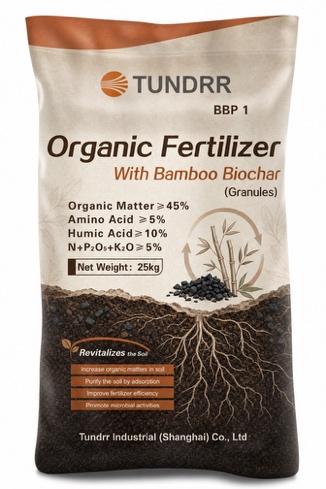
A lot of garden advice treats every organic amendment as interchangeable, but soil life is far more selective. The carbon in wood chips, straw, molasses, and compost moves through distinct microbial pathways, each favoring different organisms. If the goal is to feed the soil rather than just add bulk, the source needs to match the biology already active in the root zone. Simple sugars can vanish within days and mostly stimulate a narrow band of bacteria, while tougher plant residues stay in the system long enough to support fungi and structure.
A useful test is to follow the speed of breakdown. Molasses, fresh grass clippings, and juice by-products cycle quickly, creating a short-lived bloom that often fades before larger decomposers arrive. Straw, leaf mold, and ramial wood chips carry carbon in more complex forms, so their release spreads across weeks and months and feeds a broader slice of the food web. It also helps to match the source to the planting: annual beds tend to respond to faster-cycling inputs, while perennials and trees lean on slower, structural carbon.
Placement can decide whether the carbon is actually recognized or just wasted. Keeping material in the top few inches supports oxygen-breathing decomposers, whereas burying fresh, energy-dense sources may create anaerobic zones and fermentation instead of humus. Smaller, repeated additions tend to build recognition more reliably than one heavy application, since the microbial community has time to adjust and use what is offered.
The Biochar Difference: Structure, Retention, and Microbial Housing
Biochar is often lumped together with compost or raw biomass, but its physical architecture sets it apart. Instead of breaking down quickly, biochar retains a labyrinth of microscopic pores formed during pyrolysis. These pores act like a permanent sponge, holding water and dissolved nutrients in place long after surrounding soil dries out. This isn't about adding fertilizer; it's about giving the soil a skeleton that resists compaction and keeps essential resources from washing away with every rain.
What makes this structure truly exceptional is the way it creates habitat. The same pore spaces that trap moisture become protected niches for bacteria and fungi. Unlike bare mineral surfaces where microbes are exposed to grazing and desiccation, biochar's internal channels offer a stable refuge. Mycorrhizal fungi, in particular, extend their hyphae into these cavities, bridging the char with living roots. Over time, this turns inert carbon into a bustling microbial housing complex, one that doesn't collapse when temperatures spike or rainfall becomes erratic.
Retention here goes beyond holding water in a physical sense. Charged surfaces on the biochar bind loosely to ammonium, potassium, and other cations, releasing them slowly as plant roots and microbial activity shift the surrounding chemistry. This means nutrients stay within the root zone rather than leaching into groundwater. The result is a soil amendment that behaves less like a temporary input and more like a long-term infrastructure upgrade, altering how water, ions, and organisms move through the profile season after season.
Compost, Humus, and the Slow Release of Natural Fertility
Finished compost is not a quick shot of soluble nitrogen. It is a living bank account for the soil, where organic matter is steadily converted into humus. That dark, crumbly fraction binds mineral particles into loose aggregates, holds moisture long after rain has passed, and feeds the quiet microbial work that turns unavailable nutrients into forms roots can actually reach. The result is a fertility that does not spike with a watering can and vanish by the next mowing.
Humus forms slowly because it is less a single substance than a stage of decomposition. Leaves, roots, and old stems break down into simpler compounds, then recombine into stable chains that resist further decay. This stability is what makes the release of nitrogen, phosphorus, and trace elements gradual rather than episodic. Gardeners notice it as even growth without the burst of weak, sappy shoots that often follows synthetic feeding.
The practical advantage of compost, then, is not a label on a bag but a shift in how the ground behaves. A soil rich in humus forgives neglect, holds its breath during dry spells, and warms earlier in spring. It also keeps feeding long after the original organic matter has disappeared from view, which is why a topdressing of compost in one season still shows up in the vigor of plants two or three years later.
Application Timing That Works With Root and Weather Cycles
Getting the timing right means paying attention to what's happening below the surface and overhead. Roots don't grow at a steady pace all season long—they surge in early spring before leaves fully expand, slow down when top growth peaks, and pick up again after the summer heat breaks. Layering applications around these natural pulses helps the plant actually use what you're putting down instead of letting it sit in the soil unused.
Weather patterns shift the window from year to year. A cool, wet spring can push the first root flush later, while an early heat wave can shut down fine root activity almost overnight. Watching soil temperature and recent rainfall gives a better signal than any fixed calendar date. The goal is to feed when roots are actively taking up nutrients and soil moisture is steady enough to carry them into the root zone.
Split applications tend to match these cycles more closely than one heavy dose. A lighter pass just as buds begin to swell, another after the main growth spurt, and a final one when nights cool off in late summer often lines up well with how roots recover and store reserves. It's less about following a strict schedule and more about reading the plant's rhythm and the season's mood together.
Simple Ways to Tell If Your Soil Health Is Actually Improving
Grab a shovel and dig a small hole a day or two after rain. The soil should be moist but not sticky, with a smell that reminds you of a forest floor after a light shower—earthy, slightly sweet, and alive. If the water has moved down evenly instead of pooling on top or running sideways, that is a strong sign the structure is opening up. A sour or stagnant smell, on the other hand, means the biology is still struggling.
Look at the life inside the slice you just lifted. A healthy, improving soil will usually have several earthworms, a few beetles or centipedes, and fine roots threading through the crumbs. Pull up an old plant and check its roots: they should branch out and carry small clumps of soil with them, not come out as a straight, washed-looking taproot. That kind of root-soil contact does not happen by accident.
Finally, pay attention to how the soil behaves when it is dry. Take a handful of slightly damp soil and press it lightly; if it falls apart into irregular crumbs instead of dust or a hard lump, the aggregation is getting better. Improved soil also tends to stay darker and hold moisture longer into a dry spell, so you will notice the surface does not crack as quickly as it used to.
FAQ
The main difference is staying power. Compost breaks down quickly and feeds soil life for a season or two, while materials like biochar or humic-rich amendments add stable carbon that lingers for years, improving structure, moisture retention, and microbial habitat long after the original nutrients are gone.
Yes. You can collect fine charcoal from a clean wood fire, crush it into small pieces, and soak it in compost tea or diluted fish fertilizer for a couple of weeks. After that, mix it with finished compost and work it into the top few inches of soil. The soaking step matters because raw charcoal will otherwise grab onto nitrogen that your plants need.
A blend of aged biochar and mature compost usually makes the quickest visible difference. The biochar opens up tiny air channels and holds water, while the compost gives microbes an immediate food source. Together they help the soil form crumbs and resist re-compacting after rain or foot traffic.
A practical rate is roughly five to ten percent by volume mixed into the upper six inches of soil. For a 4 by 8 foot bed, that often means about two to four cubic feet of charged biochar. Starting lighter is better than overdoing it, and the biochar should be pre-soaked with nutrients beforehand so it does not temporarily tie up nitrogen.
Not as a carbon builder. Most of the carbon in wood ash has already burned away, leaving mainly minerals that can raise soil pH quickly. It works more like a liming agent and potassium source, so it needs very careful use, especially around acid-loving plants or in soils that already have a high pH.
Compost benefits usually fade within a season or two because soil life keeps decomposing it. Stable forms of carbon such as biochar can remain active in the soil for several years or even longer, slowly helping with water infiltration, nutrient holding, and root growth. That is why many people think of it as a long-term structural fix rather than a quick feed.
The biggest mistakes are adding raw biochar straight from the bag, using too much at once, and tilling it too deep. Raw biochar should be charged with compost, worm castings, or liquid nutrients first. A light incorporation into the top few inches near the root zone works much better than burying it deeply all at once.
Conclusion
Carbon does more than feed plants directly; it keeps the whole underground system working. Living roots, fungi, and bacteria all depend on stable carbon forms that hold water, open up compacted layers, and give microbes a place to attach. When choosing a carbon source, the real test is whether soil biology can break it down and use it without a sudden flush or a quick burnout. Biochar earns its place here because its porous structure stays in the ground for years, acting as microbial housing and holding nutrients where roots can reach them. Alongside it, mature compost and humus release fertility slowly, feeding soil life over seasons rather than forcing a short green-up. These materials work best together: biochar provides the long-term physical framework, while compost supplies the labile carbon and biological activity that get the system moving.
Timing matters as much as the product itself. Applying carbon-rich amendments just before a root growth phase or ahead of steady moisture gives microbes a chance to settle in and multiply. In many climates, early autumn or early spring applications line up well with natural root flushes and moderate temperatures, but the exact window depends on local weather and crop stage. After adding any carbon-based fertilizer, watching the soil itself tells you more than plant color alone. Better aggregation, faster water infiltration, earthworm activity, and a darker, crumbly surface layer are signs the biology is responding. If those changes appear gradually over two or three seasons, the carbon source is integrating properly. If not, adjust the mix or timing rather than adding more. Healthy soil rarely improves overnight, but the direction becomes visible when structure, moisture retention, and root depth all start moving together.
Contact Us
Contact Person: Ellen Zhang
Email: [email protected]
Tel/WhatsApp: +86(21) 2287 6756
Website: https://www.tundrr.com/en/