

Bag in Box in China: Unlocking Sustainable Packaging Innovations
2026-07-08
As China accelerates its sustainability push, packaging innovations are stealing the spotlight—and none quite like Bag in Box. This flexible, eco-friendly format is quietly reshaping how liquids are stored, shipped, and consumed, from premium wines to everyday cooking oils. But what’s really driving this shift? Enter Kody, a brand rethinking packaging from the ground up with solutions that cut waste, slash carbon footprints, and keep product integrity intact. In this post, we unpack the rise of Bag in Box in China, the tech making it smarter, and why it’s more than just a trend—it’s the future of responsible packaging.
China’s Quiet Packaging Revolution: The Rise of Bag-in-Box
Walk through a Chinese supermarket today, and you might not notice it at first—amid the bright pouches and rigid bottles, a silent shift is taking shape on shelves. Bag-in-box packaging, once an obscure industrial solution, is steadily gaining ground across beverages, condiments, and even dairy. Its appeal isn’t just cost savings or logistics efficiency; it’s a quiet rebellion against packaging waste, tapping into a growing consumer fatigue with single-use plastics and bulky containers. This unassuming combination of a flexible inner bag and a sturdy outer carton is rewriting the rules of product preservation, shelf life, and brand storytelling, all without shouting for attention.
The momentum behind this shift is as much cultural as it is commercial. In a market where freshness is paramount and food safety anxieties run deep, bag-in-box systems address unspoken consumer needs. The collapsible inner bladder minimizes air contact, naturally extending product life without artificial preservatives—a subtle but powerful advantage for families buying in bulk or small eateries tightening their margins. Meanwhile, local brands are discovering that the format’s flat, printable surfaces double as a canvas for compelling narratives. A soy sauce brand in Guangdong recently replaced its traditional glass bottles with minimalist bag-in-box designs, printing preparation tips and recipe inspiration directly on the carton. Sales climbed not because the product changed, but because the packaging invited customers to linger, read, and connect.
Behind the scenes, a quieter revolution is unfolding in supply chains. Bag-in-box packaging drastically reduces transport weight and storage volume compared to glass or hard plastics, cutting carbon footprints in ways that align with Beijing’s decarbonization goals. For a country long criticized for its packaging waste, this isn’t just a business trend—it’s a pragmatic adaptation. Small-batch producers of rice wine, vinegar, and even liquid eggs are embracing the format not as a marketing gimmick but as a survival tool in a hypercompetitive landscape. The rise of bag-in-box reflects something more than technical convenience: it’s a symptom of a maturing market where quiet ingenuity, not loud disruption, is starting to redefine everyday commerce.
Eco-Conscious on a Massive Scale: Bag-in-Box in the Chinese Market
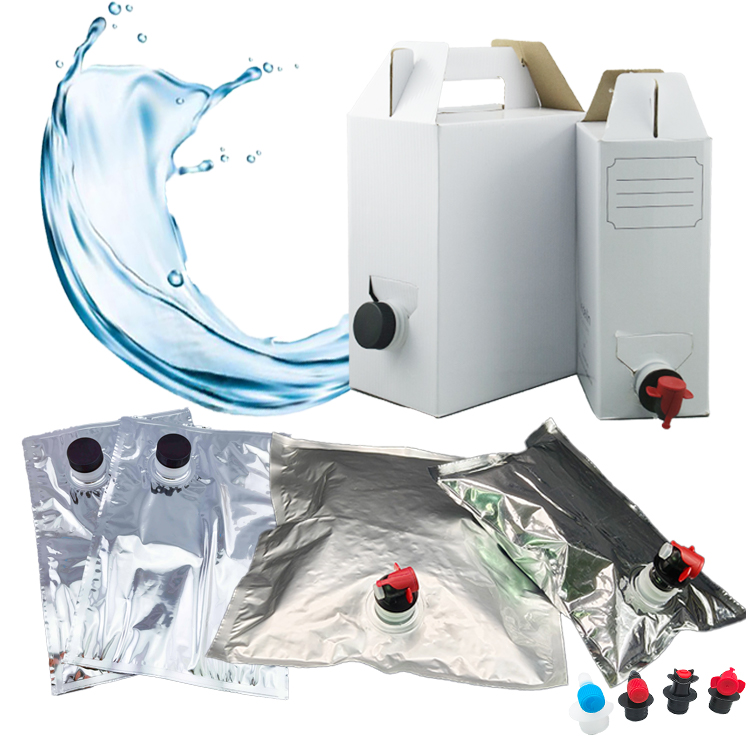
The shift toward sustainable packaging in China is no longer a fringe movement; it has become a defining force across the food and beverage sector. Bag-in-box solutions have emerged as a surprisingly effective response to this demand, particularly for liquid products like edible oils, sauces, and dairy. Unlike rigid plastic or glass containers, the bag-in-box format collapses as the product is dispensed, reducing material usage and cutting transportation weight by nearly half. For manufacturers operating at scale, this translates into a significant reduction in carbon footprint without sacrificing product integrity.
Chinese consumers are increasingly aware of the environmental cost of packaging waste, and brands are taking notice. The visual simplicity of the outer carton—often made from recycled and recyclable board—aligns well with the aesthetic preferences of younger, eco-conscious shoppers. At the same time, the inner bag’s barrier technology keeps contents fresh for extended periods, minimizing food waste, a major concern in a market where freshness is paramount. This dual benefit has made bag-in-box a compelling choice for domestic brands looking to differentiate themselves in a crowded marketplace.
Beyond the consumer-facing advantages, the operational efficiencies are reshaping supply chains. Filling equipment is modular and can be integrated into existing production lines with minimal disruption. The flat-packed containers arrive at facilities taking up a fraction of the space of pre-formed bottles, further lowering warehousing and logistics costs. As China continues to tighten regulations on single-use plastics, bag-in-box stands out not as a niche alternative but as a practical, large-scale solution that meets both commercial and ecological objectives.
Breaking the Mold: How Bag-in-Box Design is Evolving in China
Bag-in-box packaging has long been the quiet workhorse of the beverage world, but in China it's suddenly stepping into the spotlight with a fresh, almost rebellious attitude. Forget the standard, no-nonsense boxes of a decade ago—today's designs are unapologetically sleek, modular, and woven into the fabric of modern Chinese living. Shapes are shifting from rigid cubes to softer, pourable forms that fit seamlessly into crowded refrigerator doors. Graphics have traded generic fruit photos for minimalist ink-wash art or bold, abstract patterns that echo the energy of Chinese youth culture. Even the taps are getting a makeover, with smoother pours and integrated freshness indicators that feel more like a smart gadget than a cardboard spout. It's a deliberate break from convention, one that treats packaging not just as a vessel, but as a statement piece for the home.
What's really driving this evolution is a collision of practical needs and cultural shifts. Urban dwellers in cities like Shanghai and Shenzhen are embracing bulk-buy habits, but they're doing it in tighter spaces where every inch counts. Bag-in-box answers this with collapsible designs that slim down as they empty, paired with easy-stack profiles that turn a pantry corner into a neat little beverage station. Meanwhile, a growing appreciation for artisanal and craft products—think locally roasted coffees, small-batch rice wines, and cold-brew teas—has pushed brands to treat the box as a canvas for storytelling. QR codes on the side might link to a farmer's WeChat channel, while the box itself collapses for recycling in a single, satisfying motion. Sustainability is woven into the design language, too: many containers now use mono-material structures with plant-based inner bags, quietly appealing to a generation that wants its convenience without the guilt.
Perhaps the most exciting turn is how bag-in-box is breaking free from its beverage-only identity. Chinese brands are experimenting with everyday rituals—cooking sauces, liquid detergents, even pet supplements now come in shelf-friendly, portion-controlled formats. The kitchen counter in a typical Beijing apartment might feature a slim, upright bag-in-box of soy sauce with a drip-free tap right next to the rice cooker. It's a subtle but radical rethink: packaging that doesn't scream for attention but instead earns a permanent spot in daily life. As these designs continue to borrow cues from home appliances and smart-home aesthetics, the line between packaging and product blurs further. The mold isn't just breaking; it's being reshaped into something that feels personal, intuitive, and unmistakably Chinese in its sensitivity to space, ritual, and material culture.
More Than a Box: The Lifecycle Benefits of Bag-in-Box Systems
Bag-in-box packaging often gets reduced to its convenient spout and space-saving shape. But the real story starts long before it reaches the shelf and continues well after it’s empty. The format’s layered construction is engineered to extend product shelf life while using less material overall—a quiet advantage that adds up across thousands of units. From production to disposal, every stage carries inherent efficiencies that rigid containers struggle to match.
At the manufacturing level, the flexible inner bag and outer corrugated box are produced with a fraction of the energy and raw resources demanded by glass bottles or metal cans. The lightweight design also slashes transportation emissions; more product can be shipped in fewer trucks because the boxes stack flat when empty and nest efficiently when filled. Once at the filling site, the streamlined process minimises water usage and product waste, reinforcing a cleaner production cycle that benefits both brand and environment.
Post-use, the system continues to prove its worth. The materials are typically separable, allowing the box to be recycled through standard cardboard streams while the bag, depending on local infrastructure, may be recovered or repurposed. Even in a landfill scenario, the compact volume reduces the physical footprint relative to rigid alternatives. All these stages work together, quietly turning a simple container into a lifecycle solution that makes sense well beyond first impressions.
Unseen Savings: The Economic and Environmental Upside for Chinese Businesses
Operating costs in Chinese manufacturing have risen steadily over the past decade. Yet a surprising number of businesses continue to overlook simple, high-impact adjustments that can slash both expenses and carbon footprints. For instance, upgrading to smart energy management systems often pays for itself within a year through reduced electricity bills. The savings aren’t hypothetical—they’re hiding in plain sight, waiting for leadership to prioritize them.
Beyond energy, waste reduction offers another quiet yet powerful lever. Many factories still treat scrap material and water runoff as unavoidable byproducts. By redesigning processes to reuse heat, capture solvents, or filter and recirculate water, companies have reported operational cost drops of 15–20 percent. These measures rarely require heavy capital investment; they demand a shift in mindset from disposal to resource recovery. The environmental benefit—less landfill reliance and cleaner local waterways—directly strengthens community relations and brand reputation.
There’s also an underappreciated financial upside in supply chain resilience. Chinese businesses that source recycled materials or partner with circular-economy startups insulate themselves from volatile raw material prices. One electronics firm in Shenzhen, for example, now recovers rare metals from its own returned products, cutting procurement costs by nearly a third while drastically lowering mining-related emissions. Such moves often qualify for government green subsidies, which further improve the bottom line without fanfare. The economic and environmental gains are intertwined—and they’re available to any company willing to look beyond conventional cost-cutting.
Winning Over the Chinese Consumer: Trust and Transparency in Sustainable Packaging
Chinese shoppers have become some of the world’s most discerning when it comes to sustainability. They see past hollow eco-labels and vague “green” promises. Winning their loyalty starts with showing, not telling—offering concrete proof that your packaging choices are genuinely better for the planet. This means moving beyond generic claims and providing specifics that resonate with their daily lives, such as how a box’s recycled content directly reduces local landfill pressure or cuts down on the carbon footprint of last-mile delivery.
Transparency is how brands turn skepticism into trust. Consider adding simple QR codes on packs that lead to real-time data about material origins, recycling rates, or the social impact of your supply chain. In China, where consumers often scan codes to verify product authenticity, this step feels familiar and credible. Pair it with locally recognized certification marks, and you give people the tools to verify your story themselves, making your sustainability claims impossible to dismiss as marketing fluff.
Perhaps most importantly, Chinese culture values enduring relationships built on candor. Don’t present your packaging as flawless; instead, share the bumps in the road. Talk about the trade-offs you faced—maybe a bio-based material that isn’t yet fully compostable, or a design that reduced plastic but increased weight. When you invite consumers into your ongoing journey, you stop being a faceless corporation and start becoming a partner they want to support for the long haul.
FAQ
Bag-in-Box is a system where a flexible inner bag is placed inside a rigid outer box, commonly used for liquids like wine or juice. Its sustainability edge in China lies in using less plastic than rigid containers and pairing it with recyclable cardboard, while also extending shelf life to reduce food waste.
Beverages, especially wine and juices, are at the forefront due to eco-demand. Dairy and cooking oil makers are exploring it, the chemical sector has long used it for industrial fluids, and even water and liquid detergents are appearing as environmental awareness grows.
Notable innovations include advanced oxygen-barrier films for longer freshness, fully recyclable mono-material bags, and smart features like QR codes for authenticity and freshness tracking, appealing to tech-savvy Chinese consumers.
Skepticism about quality is fading, especially among younger shoppers who value sustainability and convenience. Its easier storage, lower carbon footprint, and proven product freshness are shifting perceptions positively through targeted eco-focused marketing.
A key challenge is the recycling infrastructure built for single-material bottles, while Bag-in-Box needs material separation. Additionally, premium brands worry about perceived value, as flexible packaging can be seen as less upscale, requiring consumer education.
Indirectly, policies like the single-use plastic ban and circular economy goals favor Bag-in-Box. While not explicitly targeted, the push to cut plastic waste and emissions gives the format a regulatory boost by encouraging material-efficient, recyclable solutions.
Conclusion
China’s packaging landscape is undergoing a subtle yet profound shift, driven by the quiet rise of bag-in-box systems. This trend isn’t just about swapping rigid containers for flexible liners; it represents a fundamental rethinking of how packaging can serve both commercial and environmental goals. In a market that demands eco-consciousness on a massive scale, bag-in-box offers a compelling answer: it slashes plastic use, extends product shelf life without preservatives, and collapses for drastically reduced transport and storage footprints. Beyond the obvious material savings, these designs are breaking the mold, with local manufacturers iterating on tap technology, ergonomic shapes, and multi-layer films that cater to China’s fast-paced e-commerce and food service sectors.
The true power of bag-in-box in China lies in its lifecycle thinking. From source reduction to simplified recycling, the system minimizes waste at every stage, creating unseen savings for businesses that translate into lower logistics costs and enhanced brand reputation. Crucially, winning over the Chinese consumer demands trust and transparency—brands that communicate the tangible benefits of this packaging, such as freshness preservation and portion control, are finding resonance. As supply chains tighten and sustainability becomes a baseline expectation, bag-in-box is emerging not as a niche experiment but as a versatile, scalable innovation that aligns economic pragmatism with genuine environmental stewardship.
Contact Us
Contact Person: Cindy Lee
Email: [email protected]
Tel/WhatsApp: 8613622669331
Website: https://www.dgkody.com