

Bag Hardware Factory Insights Every Bag Brand Should Know Before Sourcing
2026-11-25
Most bag brands spend weeks comparing leather, lining, and stitching—then source hardware from whoever sends the fastest quote. That imbalance quietly shapes how a bag feels, wears, and ages. Before you lock in another order, it’s worth understanding what actually happens inside a bag hardware factory. Kingming has spent years turning those factory-floor details into fewer sourcing surprises.
What Factory Minimums Actually Mean for Your First Production Run
Factory minimums are less about punishment and more about the production floor's breathing room. A minimum order quantity (MOQ) exists because switching fabric rolls, rethreading machines, and resetting cutting tables takes time; if a factory stops to make fifty units, the setup cost per piece can double or triple. When you hear 300 pieces, it usually means the factory breaks even on labor and material waste at that number, not that they're trying to squeeze a newcomer.
For your first run, low minimums often hide costs elsewhere. A factory may agree to 100 units but quote a higher per-unit price, or they might use leftover fabric from a previous client's order to absorb the shortfall. Ask what the minimum covers: does it include grading across sizes? Are labels, hangtags, and polybags counted separately? Sometimes hitting the exact minimum still leaves you paying for 30 extra pieces of fabric you never see.
Treat the minimum as a signal about the factory's specialty. A 500-piece minimum at a denim workshop tells you they're set up for long runs, while a 50-piece minimum at a small-batch studio reflects flexible cutting and in-house sewing. If your first production run sits far below a factory's usual threshold, negotiate on timing rather than price: offer to schedule your order during their slow month, or accept their standard fabric instead of a custom dye lot. That kind of flexibility often matters more than the number on the quote.
Plating Thickness and Salt Spray Results That Rarely Make the Spec Sheet
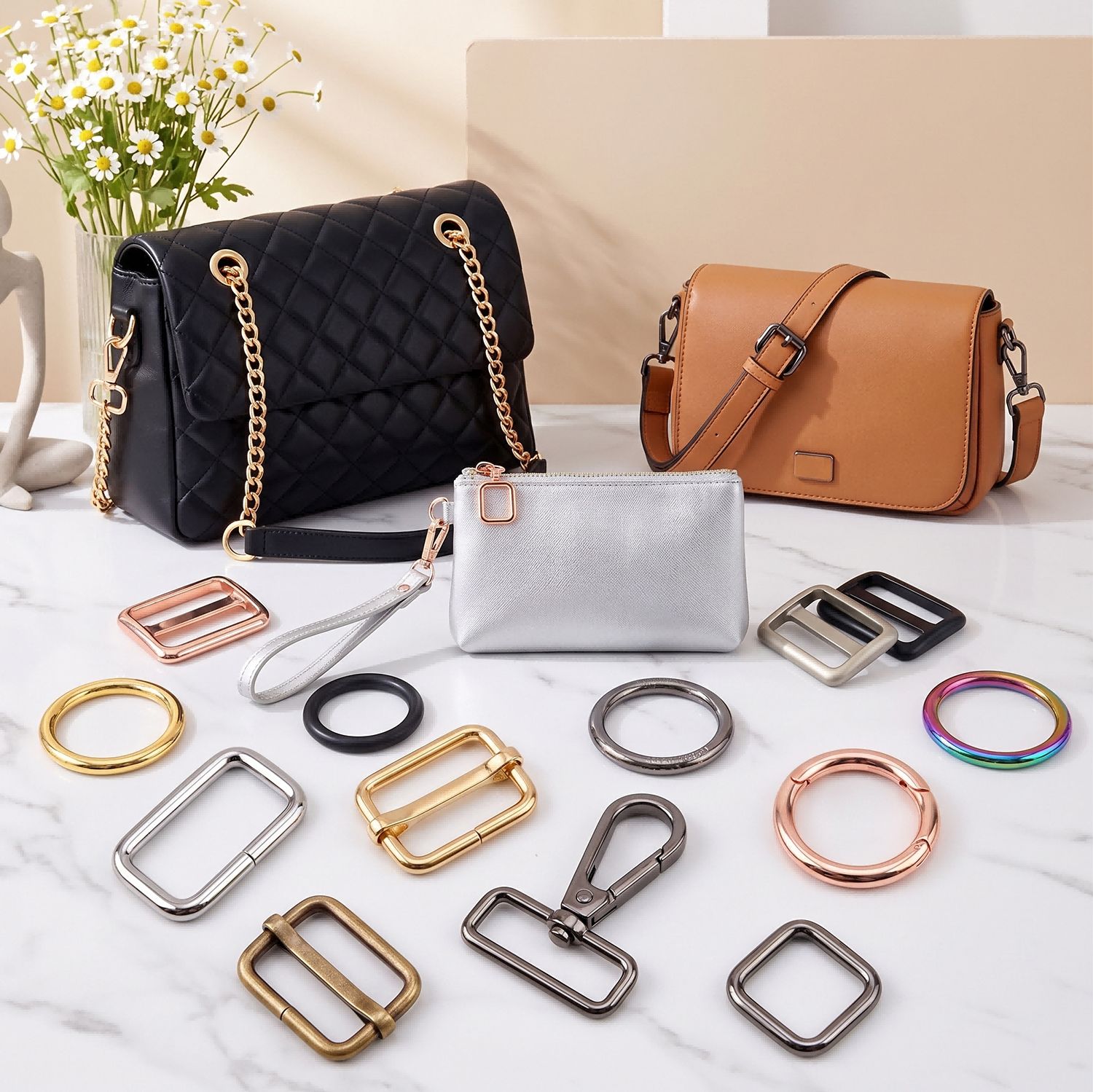
A single thickness number on a print can be misleading. Most plating shops measure the field of a part, not the threads, bores, or sharp corners where current density drops and deposit thickness falls off. It is common to see 12 µm in the middle of a bracket but only 5 µm at the bottom of a blind hole. Those thin areas are exactly where corrosion starts, yet they rarely show up on the data sheet.
Salt spray ratings get compressed into one figure, usually something like "72 hours to white rust" or "no red rust after 240 hours." That hides the more useful details: how early white corrosion appeared, whether the rust was limited to edges, and what the surface looked like between inspection intervals. Two parts can carry the same hour rating and behave very differently in the field.
If the plating report does not include thickness mapping and interval photos from salt spray, treat the specification as incomplete. Ask for readings from the field, threads, edges, and recesses, plus a clear note on white versus red rust timing. Those numbers are far more likely to predict whether a fastener or bracket will survive a winter than the single pass/fail line printed on the sheet.
The Mold Fee Conversation Most Brands Have Too Late
Most brands lock in product details long before anyone raises the mold fee. By the time the topic comes up, the design is already frozen and the factory has a number waiting. There is no real room left to adjust cavity count, surface finish, or steel grade, so what should have been a planning decision becomes a surprise invoice.
The issue is rarely the amount itself. It is the timing. When the mold fee lands after packaging, margins, and retail pricing have been set, the brand either absorbs the cost quietly or scrambles to rework a quote that should have been finalized. A conversation that could have shaped the product turns into damage control.
Having the mold fee discussion early changes what is possible. You can compare a single-cavity tool against a higher-output option, decide who keeps the tooling, and spread the cost into the unit price from the start. It stops being an awkward surprise and becomes part of the launch math.
What the Factory Floor Tells You That a Showroom Cannot
A showroom edits reality. Surfaces are wiped clean, lighting is angled to flatter, and every sample has been hand-selected or reworked until it looks inevitable. The factory floor doesn't offer that courtesy. It shows the raw material before it becomes a product, the jig marks left on a first article, the small pile of rejected parts near a workstation. Those details are not flaws to be hidden; they are evidence of how a company actually behaves when nobody is watching.
Walk the floor and you will notice consistency before you notice style. The same sequence repeated at every station, the same torque setting checked twice, the same pause when a worker compares a part against a reference sample. This rhythm cannot be reproduced in a display room because it lives in habit, tooling, and small daily corrections. If the line is calm even under pressure, that tells you more about long-term reliability than any polished finish ever could.
You will also pick up signals that no brochure can carry. The way unfinished components are stacked, the condition of measuring instruments, how quickly a supervisor answers a question about a tolerance. These things reveal the relationship between the people and the product. A showroom may tell you what the brand wants to become; the factory floor tells you what it already is.
Reading Lead Time Promises During Peak Production Months
A quoted lead time in peak season is rarely a single number. Some suppliers give a conservative range because they already know certain lines will run overtime, while others repeat their standard turnaround until orders actually enter the schedule. The first thing worth checking is whether the promise appears in the body of the quote or only in a covering email; one tends to be negotiated, the other is often a sales reflex.
It also helps to compare the promise against the same factory's behavior in the previous peak cycle. A plant that normally ships in 28 days may promise 40 days in September, but if last year's September orders left at 47 days on average, that gap is the number to plan around. Ask for the last three peak-month jobs with similar specifications and look at the gap between confirmation date and actual dispatch, not just the final delivery date.
Finally, pay attention to what the promise assumes. A lead time built on locked fabric, confirmed hardware, and a dedicated line is very different from one that assumes supply arrives just in time. When the explanation is vague about materials or outsourced processes, the quoted date is best treated as a starting point rather than a fixed commitment.
Finish Tests to Request Before You Sign Off on Samples
Getting to the end of a sampling cycle feels like a milestone, but the real work happens before you approve anything. A quick visual check isn't enough. You need to run through every test the client originally requested and compare those results against the sign-off criteria. If a fabric was supposed to hold up to 30 washes and you only ran 20, that sample hasn't earned a pass yet.
Missing a test at this stage tends to create a domino effect later. A colorfastness issue that slips through now becomes a production complaint in three months. Instead of scrambling to explain why the approved sample behaved differently in the field, take the extra hour to verify torque, shrinkage, pilling, and any performance claims tied to the material. Write down what was tested, when it was tested, and what the numbers actually show.
If something falls short, don't quietly adjust your expectations. Flag the gap, note whether it's a one-off lab variance or a repeatable problem, and loop in the supplier before you sign. The approval signature isn't just a formality; it's your confirmation that every requested check has been completed and the sample meets the agreed baseline. Leave the guesswork out of it.
FAQ
They need more than a photo. Send a technical drawing with dimensions, base material, plating type, and a physical sample if possible. Without those, most factories will either refuse to quote or give you a number with hidden assumptions.
The difference usually comes down to zinc alloy versus stainless steel, plating thickness, mold amortization, or whether the factory actually makes the part in-house. Cheap quotes sometimes omit mold fees or use thinner plating that wears off quickly.
For custom molds, plan at least 30 to 45 days for tooling and sampling before mass production. If plating has to match a specific Pantone or brand color, add another week or two for lab dips and approvals.
Peeling plating, dull spots on high-friction areas, and color mismatch between batches are common. Ask for a salt spray test or at least a wear test on plated parts, and keep an approved physical sample to compare against later shipments.
Trading companies can handle small orders and communication well, but direct factories give you tighter control over quality and cost once volume grows. If you go direct, make sure the factory actually owns the polishing and plating steps; many outsource them.
Ask for a physical prepress sample or a plating color chip sent by courier. Photos lie under different lighting, so you need an actual part in hand against your material before approving bulk production.
Specify the base material, outer dimensions, plating color and thickness, logo placement, attachment type, and acceptable tolerance. Also state whether the part must be lead-free or meet any specific safety standard for the target market.
For standard plated metal parts, a well-run factory should keep major defects under 2 to 3 percent. Minor surface marks are more common, but anything that affects function, like a loose rivet or a buckle that will not close, should be replaced without debate.
Conclusion
Most brands walk into sourcing conversations expecting a factory minimum to be a simple gate: meet the number, get your order. In practice, those thresholds hide more than they reveal. A five-hundred-piece minimum may apply only to the most basic zinc alloy puller in a stock finish, while a custom shape with two-tone electroplating pushes you to two thousand pieces or forces a surcharge that no one mentions until the quote is issued. The mold fee is the same kind of delayed surprise. Too many brands approve samples and only then learn that the factory has been quoting a shared mold, or that the quoted fee covers a low-cavity tool that will not survive the volume you actually need. Walking the floor changes the conversation. A showroom can show a polished finished part, but the floor shows whether polishing is consistent, whether racks are separated by finish to prevent cross-contamination, and whether workers handle parts with clean gloves or bare hands. Those details decide whether your first production run matches the sample.
Plating thickness and corrosion performance rarely sit on the standard spec sheet, but they are where budget hardware fails. Ask for the actual microns of copper, nickel, and gold or gunmetal, and do not settle for a vague plated line item. Salt spray results matter more than the finish name: a twenty-four-hour result may be fine for a fashion bag with a short shelf life, while a forty-eight- or seventy-two-hour rating is closer to what you need for hardware exposed to moisture, sweat, or coastal air. Before signing off on samples, request the finish tests that fit the end use, including adhesion, tumbling or abrasion, and salt spray, not just a visual approval under showroom lighting. Lead time is the final test of how well you read the factory. During peak production months, a promise of thirty days can quietly become forty-five or sixty when plating lines are backed up and mold changes queue behind larger clients. Ask what is actually being produced now, how many plating lines are running, and which processes are outsourced. That answer tells you more than the date on the proforma invoice.
Contact Us
Contact Person: Jamie Zeng
Email: [email protected]
Tel/WhatsApp: +86 13728219269
Website: https://www.kmhardware.com