

Ammonium Polyphosphate in China: Unlocking Its Industrial and Agricultural Potential
2026-07-06
Ammonium polyphosphate (APP) is more than just a flame retardant—it’s a versatile compound quietly revolutionizing both industrial safety and agricultural efficiency in China. From enhancing fire resistance in coatings to delivering slow-release phosphorus for crops, APP’s dual functionality is unlocking new possibilities. But navigating its full potential requires expertise. That’s where X.X.F.R comes in, driving innovation and accessible solutions. Ready to explore how this unassuming powder is reshaping two critical sectors? Let’s dive in.
The Fireproofing Backbone of China's Construction Boom
Behind the towering glass and steel of China's new skylines lies an invisible layer of protection that few outsiders notice: fireproofing materials engineered to withstand extreme temperatures and slow the spread of flames. These aren't the asbestos sheets of decades past, but advanced cementitious sprays, intumescent coatings, and mineral wool boards that wrap steel beams and seal off compartments like a second skin. As high-rises climb ever higher and urban centers densify, the demand for such passive fire protection has become a quiet linchpin of building safety, dictated by rigorous post-disaster revisions to national codes that now rival Western standards in stringency.
The scale here reshapes everything. In a country erecting thousands of towers each year, fireproofing isn't a niche concern but a colossal industry driven by volume and breakneck project timelines. Local manufacturers have mastered the art of churning out lightweight, spray-applied mortars that cure fast even in the humid southern provinces, while chemical giants race to formulate thin-film coatings that expand into a char layer when heated, buying critical escape minutes. Installers move with a rhythm honed on mega-projects—crews coating an entire floor's steel framework between dawn and dusk, their work checked not just by inspectors but by embedded sensors that monitor dry-film thickness in real time, a digital safeguard against human error.
This backbone also bends toward innovation born of constraint. Where European specs might favor thick, slab-like coverage, Chinese engineers push for materials that shed precious millimeters to maximize leasable square footage without sacrificing fire ratings. Recycled industrial byproducts like fly ash or slag get repurposed into fire-resistant boards, cutting both cost and carbon footprint. And in seismic zones stretching from Sichuan to Yunnan, the same coatings must flex and cling through an earthquake's tremors without cracking—a dual-purpose challenge that has spawned hybrid systems barely known outside the country. It's a sector where pragmatism meets precision, and where the true test of success is a building standing long enough for everyone to walk out.
Feeding Growth: How APP Transforms Agriculture
Agriculture has long relied on intuition, tradition, and hard-won experience. Today, a quiet revolution is unfolding in fields and greenhouses around the world, driven not by heavier machinery but by smarter software. Agricultural productivity apps, or APPs in the farming context, are reshaping how food is grown by bringing data-driven precision to every stage of cultivation. From smallholder plots to vast commercial farms, these digital tools turn smartphones into pocket agronomists, giving growers instant access to soil health metrics, weather forecasts, pest identification, and market prices. Instead of relying on guesswork, farmers can now make decisions grounded in real-time information, leading to healthier crops, reduced waste, and more efficient use of water and inputs. The result is a new kind of growth—not just in yield, but in resilience and sustainability.
The transformative power of agricultural apps lies in their ability to simplify complexity. Consider a tomato farmer facing an unfamiliar leaf discoloration. With a photo and a few taps, an app can diagnose the issue, suggest organic treatments, and even connect the farmer to a local extension agent. Meanwhile, embedded sensors track soil moisture and nutrient levels, automating irrigation schedules and fertilizer application. Over time, the app learns from the farm’s unique patterns, offering personalized recommendations that improve season after season. This feedback loop empowers farmers to move from reactive problem-solving to proactive stewardship. As these tools become more accessible—thanks to falling smartphone costs and offline functionality—they are bridging the gap between agronomic science and on-the-ground practice, making advanced agriculture achievable for anyone with a patch of land and a desire to grow more with less.
Beyond the field, agricultural apps are nurturing a connected ecosystem that strengthens the entire food value chain. A coffee grower in Colombia, for instance, can use an app not only to optimize harvest timing but to log farming practices for a sustainability certification, then sell directly to roasters at a premium. Other platforms aggregate data from thousands of farms, helping cooperatives forecast production and negotiate better contracts. Even consumers are getting involved, scanning QR codes on produce to learn the story behind their food and support regenerative practices. In this way, an app is never just a tool—it becomes a partner in growth, unlocking value at every step while building a more transparent, equitable food system. For farmers, it’s not about technology for technology’s sake; it’s about seeing their efforts compound into healthier harvests, stronger communities, and a future where feeding the world doesn’t cost the earth.
Inside China's Push for High-Purity Production
China's drive for high-purity production is reshaping industries from pharmaceuticals to semiconductors, with state-backed initiatives fueling rapid advancements in purification technologies and contamination control. The push is not merely about meeting domestic demand; it reflects a strategic ambition to dominate global supply chains for critical materials, where even trace impurities can undermine performance or safety.
In ultrapure water systems, for instance, Chinese engineers have developed membrane technologies that push purity levels to parts per trillion, challenging long-held leads by Japanese and German firms. Meanwhile, specialty gases used in chip fabrication now emerge from Chinese plants with fewer defects per billion molecules, mirroring breakthroughs in catalyst design that strip out metallic contaminants at previously unattainable scales.
This pursuit extends beyond labs and factories—quality control protocols are being rewritten as laser-based particle counters and mass spectrometers become ubiquitous on production floors. Supplier audits, once perfunctory, now involve real-time particulate monitoring, ensuring that every raw material from quartz crucibles to solvents meets the exacting standards that high-purity mandates demand.
A Sustainable Switch: Why Industries Are Choosing APP
In a world where every business decision carries environmental weight, the shift toward APP isn’t just a trend—it’s a quiet revolution. More and more industries are realizing that the materials they’ve relied on for decades come with hidden costs: depleted forests, strained ecosystems, and a carbon footprint that’s hard to justify. APP, or alkaline peroxide mechanical pulp, offers a way out. It turns fast-growing, renewable plants like wheat straw or bagasse into a high-yield, sturdy fiber without the chemical intensity of traditional pulping. The result? A material that performs like conventional paper but is gentler on the planet, letting companies meet their sustainability goals without compromising on quality.
What sets APP apart is how it fits into existing production lines without demanding a complete overhaul. Manufacturers can swap it in and see immediate drops in energy use and waste, all while maintaining the brightness and strength their products require. It’s a practical choice for packaging, tissue, and printing sectors that are under pressure to decarbonize but can’t afford downtime or risky experiments. The versatility of raw materials also means production can shift closer to agricultural hubs, slashing transport emissions and creating a circular loop with local farming communities. This isn’t just an eco-friendly alternative—it’s a smarter, localized way to source fiber that makes supply chains more resilient.
Behind the scenes, the appeal of APP also lies in how it communicates a brand’s values without shouting. Consumers are skeptical of green labels, but they notice when a package feels substantial yet not wasteful. APP’s natural, unbleached look can convey authenticity, while its lower chemical load reduces the harsh odors often associated with recycled boards. Industries are choosing it not because they have to, but because it aligns with a deeper shift: the understanding that materials should work with nature, not against it. As companies look beyond short-term gains, APP becomes a building block for a future where industrial production and ecological balance aren’t at odds.
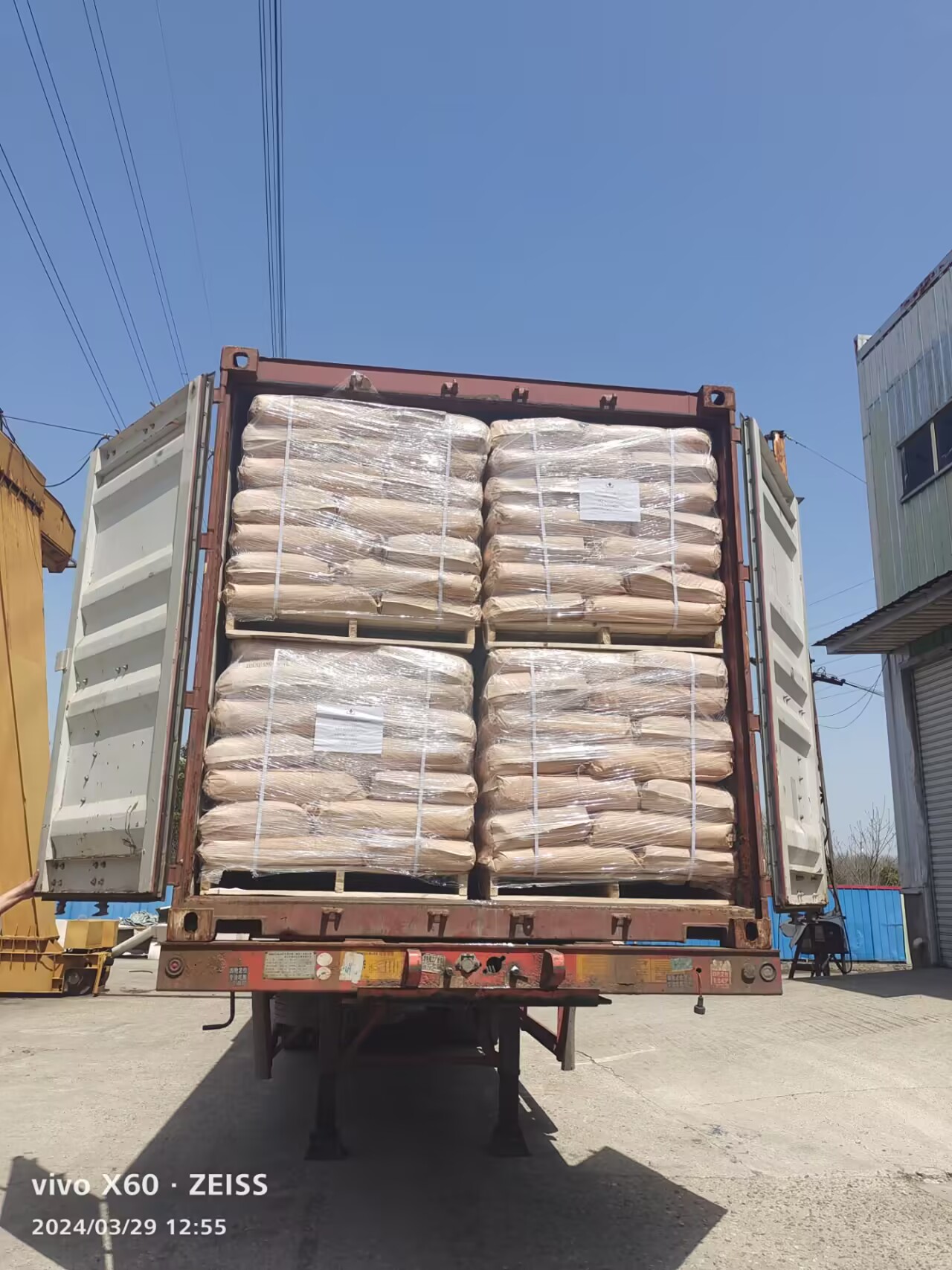
Overcoming Hurdles in the APP Supply Chain
Tackling supply chain disruptions in mobile app development often starts with a clear audit of dependencies. Many teams unknowingly rely on outdated libraries or services that introduce bottlenecks during scaling. Identifying these weak links early prevents cascading failures down the line. A practical step is mapping every third-party integration, then stress-testing each under peak loads to see where latency or errors creep in. This isn't just about code—it extends to the human side too, like approval workflows or handoff processes between design and engineering. Smoothing these interactions can cut release delays significantly.
Another persistent hurdle is data synchronization across fragmented systems. When an app pulls content from multiple sources—inventory databases, user profile stores, recommendation engines—the risk of stale or mismatched information grows fast. Rather than building monolithic sync layers, consider adopting event-driven patterns that push updates in near-real time. For example, a lightweight message queue can decouple services, allowing each to evolve without breaking the pipeline. The trick is balancing consistency guarantees with performance; sometimes eventual consistency is perfectly fine for non-critical features, freeing up engineering effort for what truly matters.
Finally, shipping updates reliably to users worldwide demands more than just a fast CDN. Regional compliance issues, device fragmentation, and unpredictable network conditions can derail even the most polished release. Smart teams invest in staged rollouts and feature flags, giving them fine-grained control over who sees what. They also automate regression testing against a curated device lab, catching rendering glitches on older hardware before they hit production. It's a continuous cycle of monitoring, tweaking, and learning—there's no permanent fix, just a rhythm of improvement that keeps the supply chain resilient.
The Next Wave: Innovations on the Horizon
We’re standing at the edge of breakthroughs that feel less like incremental upgrades and more like plot twists. Solid-state batteries are finally shedding their “maybe someday” status, promising electric cars that charge in minutes and smartphones that last days. Meanwhile, gene editing is sprinting past the lab, with CRISPR tools being fine-tuned to tackle everything from hereditary diseases to climate-resilient crops—quietly rewriting the rules of biology while most of us are still trying to understand what it all means.
Not to be outdone, artificial intelligence is branching into creative territory that was once sacred ground. We’re not just talking about chatbots that churn out emails—new models are composing symphonies, designing proteins that don’t exist in nature, and even suggesting plot twists for aspiring novelists. It’s messy, often controversial, and occasionally breathtaking, but it signals a shift where humans and machines co-create rather than just coexist.
And then there’s the quiet revolution happening in materials science. Labs are cooking up self-healing concrete, transparent wood that’s stronger than glass, and coatings that pull water from desert air. These aren’t flashy headlines yet, but they’re the kind of innovations that could reshape cities and daily life without anyone making a fuss—until suddenly, the world just works a little better.
FAQ
Ammonium polyphosphate (APP) is an inorganic polymer formed through the condensation of ammonium phosphate units. Its high phosphorus and nitrogen content, combined with excellent flame-retardant properties and gradual nutrient release, makes it stand out. In China, tightening fire safety regulations and the push for sustainable agriculture are driving a surge in interest—industries are seeking safer, eco-friendly materials, and farmers want more efficient fertilizers that reduce runoff.
In farming, APP serves as a high-performance controlled-release fertilizer. Its slow hydrolysis provides a steady supply of phosphorus and nitrogen, matching crop needs over time and minimizing nutrient loss. This is particularly valuable in China’s vast rice, wheat, and vegetable belts, where it helps boost yields while addressing soil degradation and waterway eutrophication caused by excessive fertilizer use.
Beyond agriculture, APP is reshaping fire protection in construction, electronics, and transportation. It is a key halogen-free flame retardant in coatings, intumescent paints, polyurethane foams, and textile back-coatings. Its ability to form a protective char layer without toxic smoke is crucial for meeting China’s stricter building codes and exporting goods to markets with robust safety standards.
Rapid urbanization demands higher fire safety, while agricultural modernization emphasizes eco-friendly inputs. Government policies, such as the 'dual carbon' goals and limitations on hazardous substances, further accelerate APP adoption. Additionally, China’s strong phosphate rock reserves and chemical manufacturing expertise enable cost-effective scaling, positioning the country as a major global supplier.
Yes, APP significantly reduces nutrient leaching and volatilization compared to conventional fertilizers. By releasing nutrients slowly, it cuts the amount lost to groundwater and the atmosphere, decreasing algal blooms and greenhouse gas emissions. Moreover, its production can incorporate lower-grade phosphate ores, reducing mining waste and making the phosphorus cycle more circular.
Traditional fertilizers often deliver a quick spike of nutrients that plants cannot fully absorb, leading to waste. APP’s polymer structure delays dissolution, synchronizing nutrient release with plant uptake. Field trials in China show it can reduce application rates by 15–30% while maintaining or improving crop yields, making it both economically and environmentally superior in many settings.
Cost remains a hurdle—APP is pricier upfront than conventional options, and many small-scale farmers are hesitant without subsidies. Technical gaps exist in tailoring polymer chain lengths for specific crops or flame-retardant applications. There’s also a need for broader awareness and training among agronomists and factory operators to fully harness its benefits.
Innovation is steering APP toward multifunctional roles: bio-based flame retardant blends, smart fertilizers with embedded sensors, and even water-retention amendments for arid regions. As chemical engineering advances and environmental regulations tighten, APP’s market share is poised to expand, potentially transforming both China’s industrial safety landscape and its approach to sustainable intensification.
Conclusion
China’s rapid urbanization has thrust ammonium polyphosphate (APP) into the spotlight as an indispensable flame retardant, fortifying everything from high-rise facades to public infrastructure without compromising structural integrity. Beyond construction, the agricultural sector harnesses APP’s phosphorus-rich composition as a slow-release fertilizer, boosting crop yields while curbing nutrient runoff—a dual benefit that aligns with the nation’s food security goals. The drive for high-purity APP is reshaping domestic production, with manufacturers adopting advanced synthesis routes to meet the exacting standards of electronics and automotive coatings, yet this push is not without its supply chain bottlenecks. Raw material volatility and energy-intensive processes continue to challenge scalability, forcing producers to forge tighter partnerships with phosphate miners and invest in energy recovery systems.
Sustainability is now the linchpin of APP’s market ascent, as industries pivot from halogenated alternatives to this halogen-free solution to comply with tightening environmental regulations. This green transition, coupled with breakthrough research in nano-encapsulation and bio-based compatibilizers, is opening doors to applications in biodegradable packaging and wind turbine composites—signaling that APP is not just adapting to trends but actively shaping them. Still, overcoming logistical hurdles and standardizing grades across provinces will determine whether China can truly unlock the full spectrum of APP’s potential, transforming it from a niche chemical into a cornerstone of both its industrial might and agricultural modernization.
Contact Us
Contact Person: Guohua Wang
Email: [email protected]
Tel/WhatsApp: 8613003442895
Website: https://www.xxflameretard.com